Private archives, meticulously preserved within the personal belongings of authors or their families, represent an invaluable resource for the study of architectural photography. I would like to highlight a few such archives to which I had direct access. Furthermore, I was fortunate enough to scan and catalogue them in their entirety. As a result, many of these materials have already been featured numerous times in publications and exhibitions. Fortunately, a significant portion of these archives remains in excellent condition, housing delicate treasures whose legacy continues to be honoured and preserved.
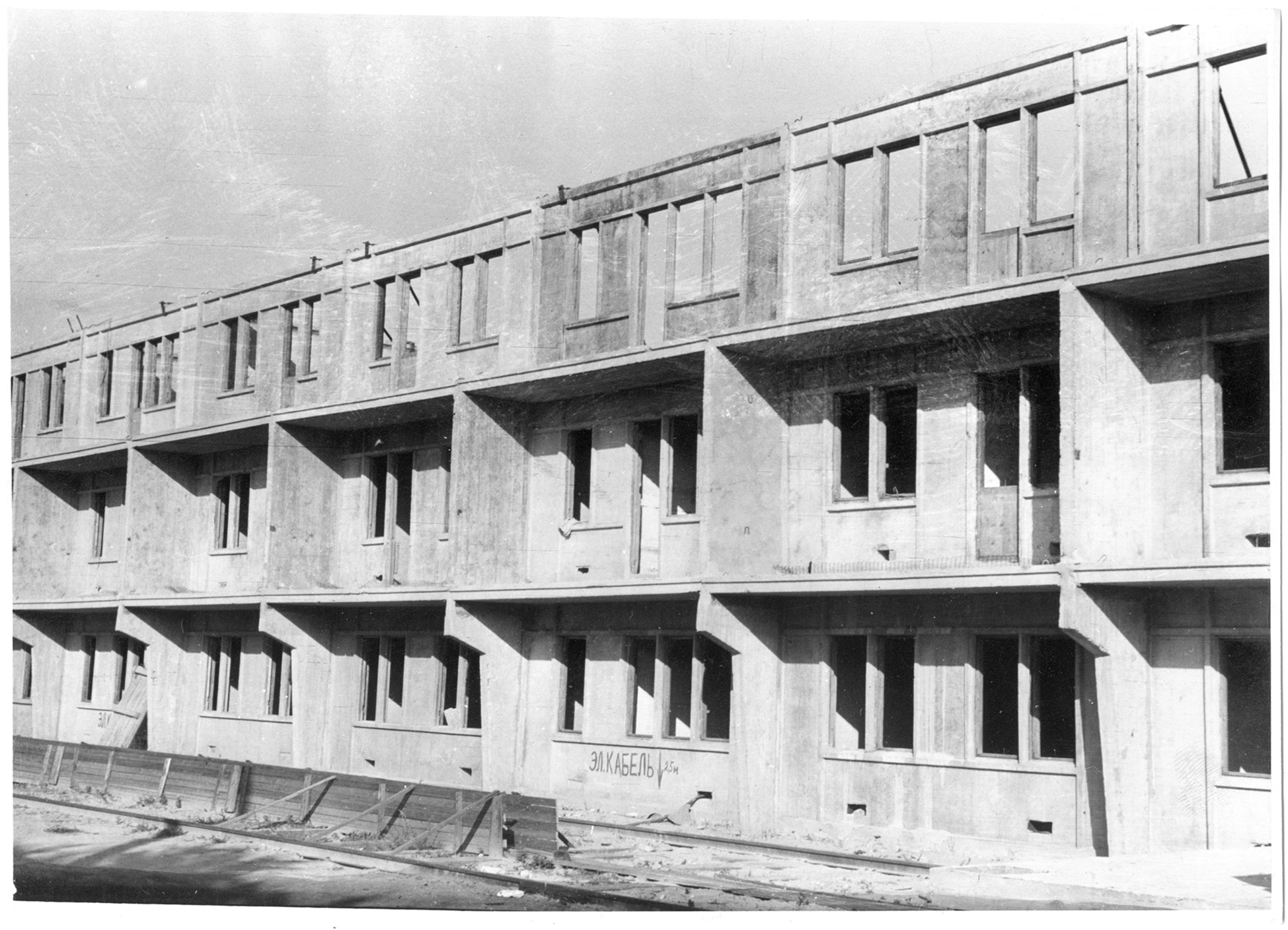
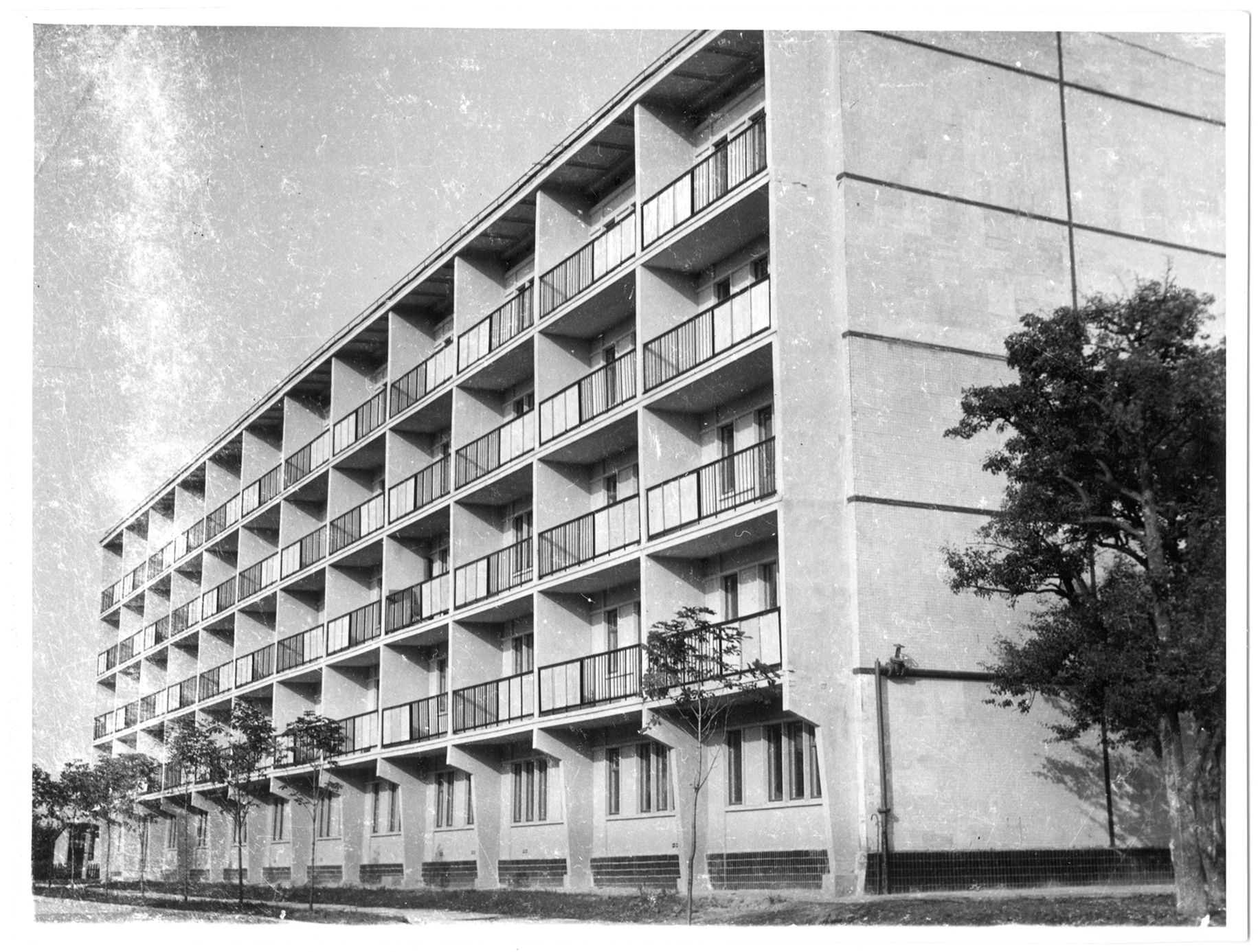
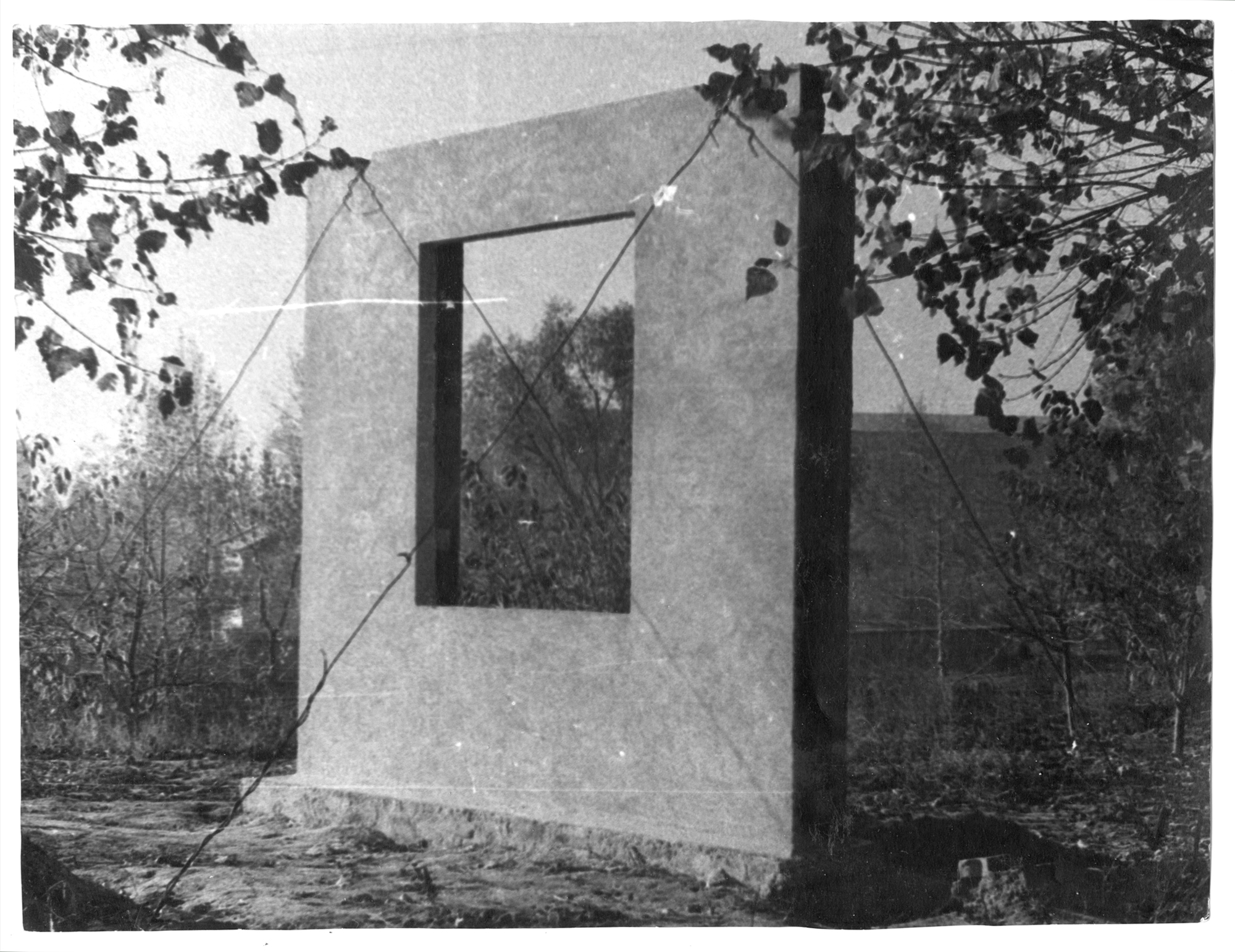
Dmytro Yablonsky’s archive was generously shared with me by his daughter, Anna Dmytrivna Yablonska. Anna, a lecturer at Kyiv National University of Construction and Architecture, was one of my tutors during my studies there. In addition to all the other material in the archive, it includes a complete photographic record of the construction process for a pioneering project: the first experimental panelised building in Soviet Ukraine, built with transverse load-bearing wall panels in 1959–1960. Yablonsky, the project’s chief architect and an avid amateur photographer, documented the process with remarkable care and passion. The project was designed as a housing block for members of the Union of Architects of Ukraine. As a result, it was possible to experiment to a quite large degree. The photos tell a story of experimentation, not only in architectural design but also in construction methods. For example, prefabricated panels for the building were produced on-site in an excavation pit rather than in a factory. The project also featured innovative elements, such as built-in furniture systems and hidden heating mechanisms, which were never adopted in mass construction.
From a research point of view, the album documented the process of construction of the first experimental block with load-bearing wall panels is interesting both because it combines step-by-step photography of the whole construction process and because it was created by Dmytro Yablonsky himself. Yablonsky’s photographs, taken immediately after the building’s completion, showcase its minimalist design and tectonic precision. Sadly, over the years, uncontrolled modifications by residents – such as balcony glazing and facade insulation – have obscured the building’s original appearance. Today, these photos offer a rare glimpse into the architect’s vision, preserving the project’s authenticity for future generations.
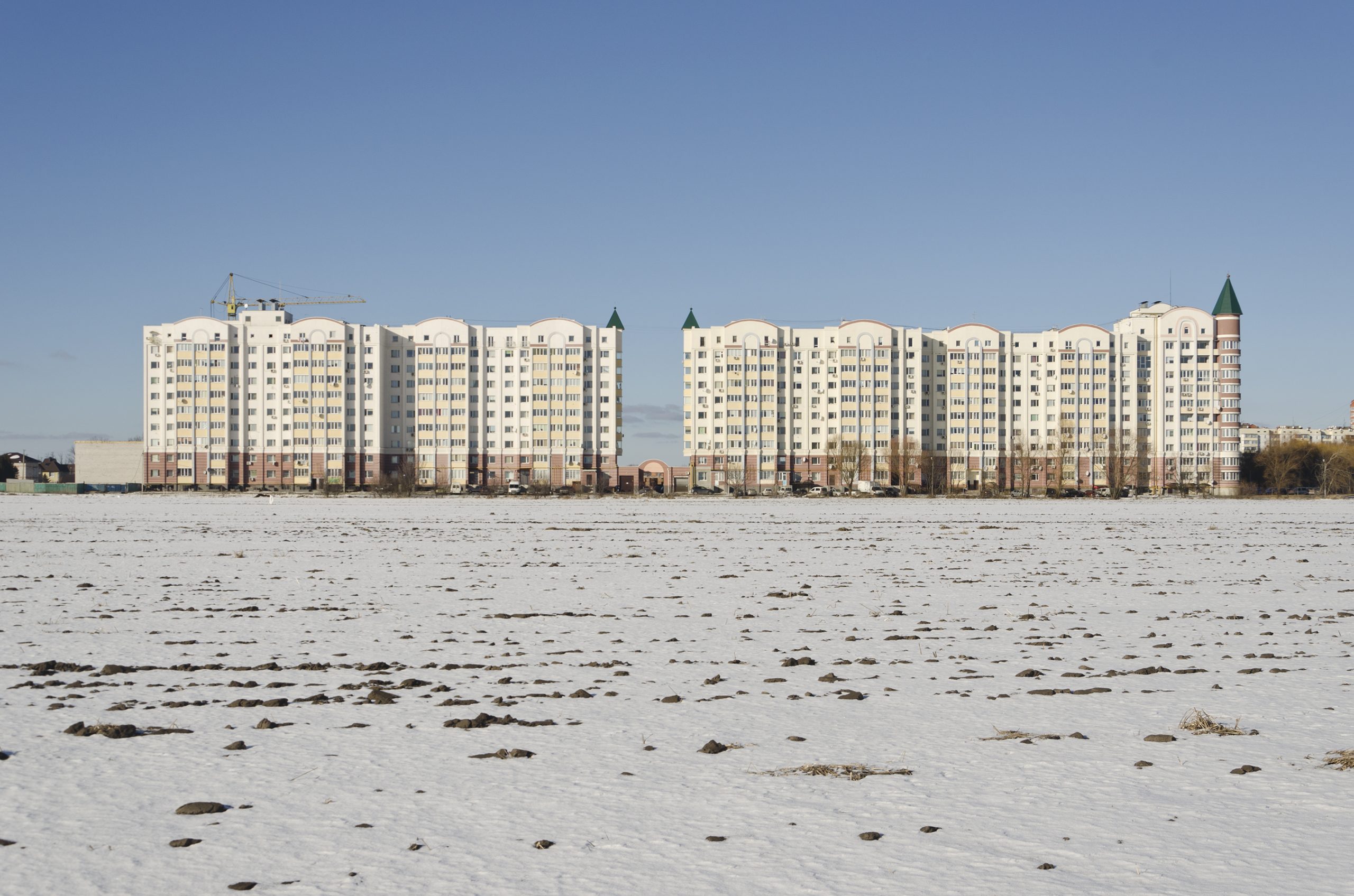
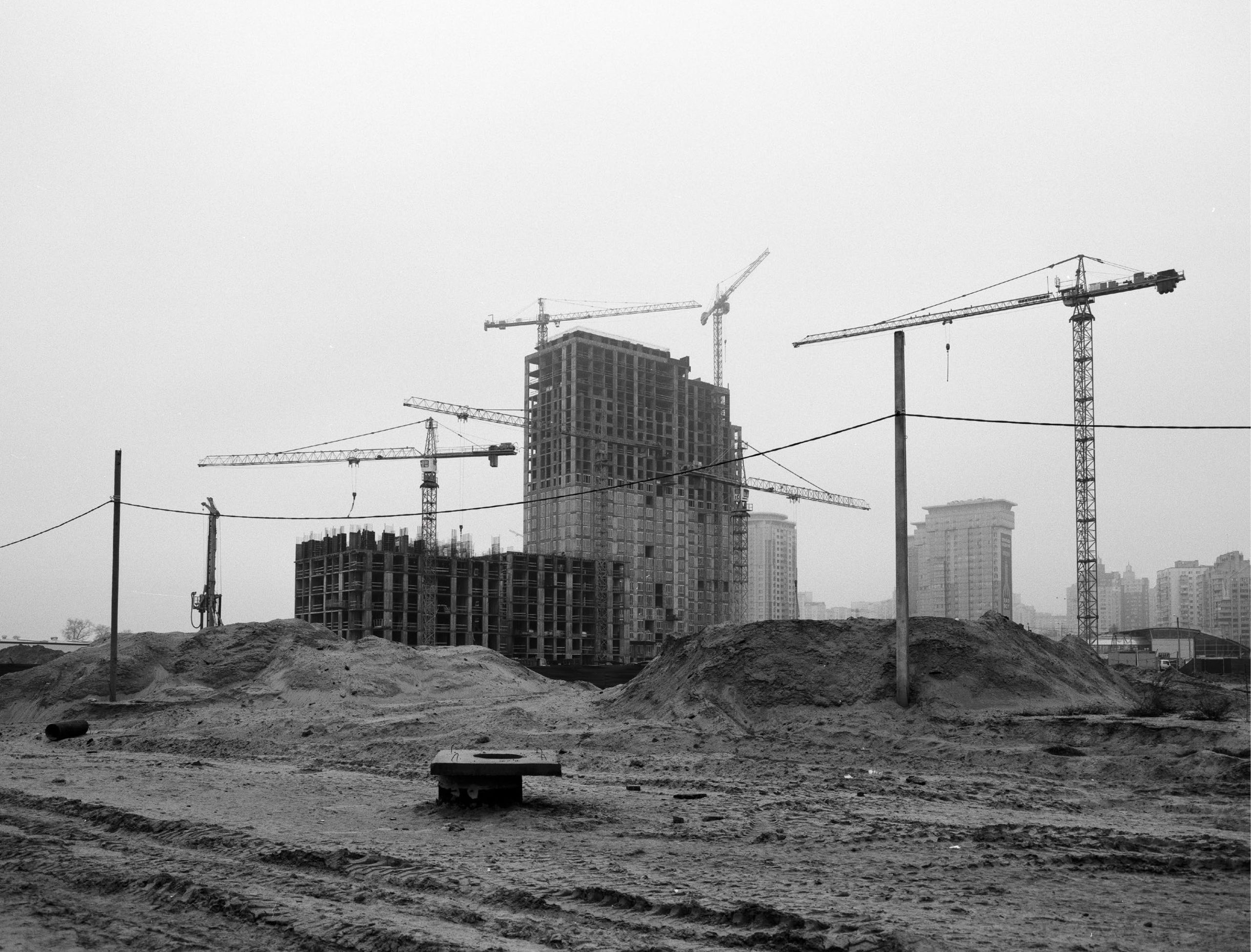
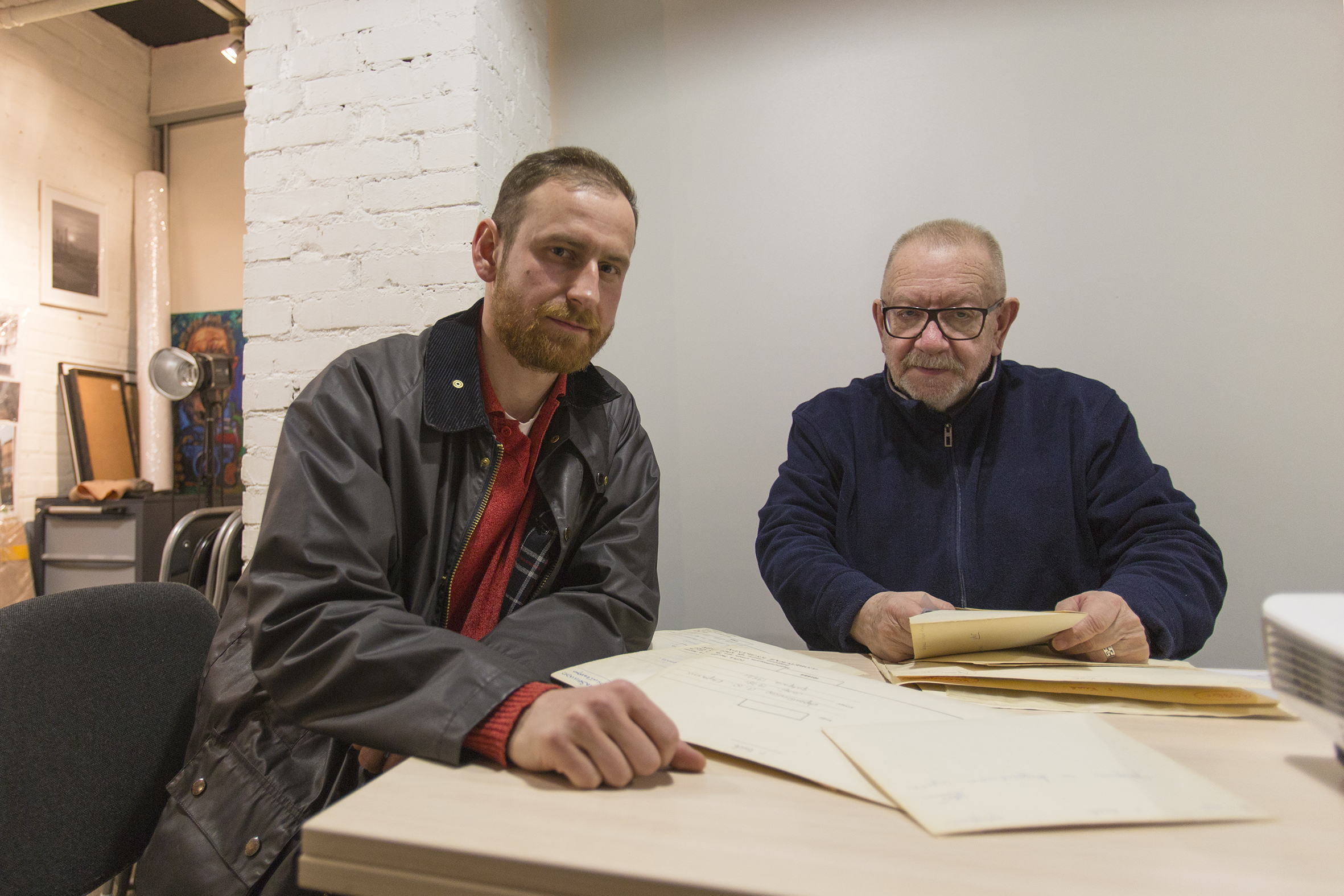
Victor Marushchenko is an iconic figure in Soviet and contemporary Ukrainian culture. In addition to his numerous publications and exhibitions, Viktor will also be remembered as the creator of his eponymous school of photography. Viktor Marushchenko’s vision was deeply rooted in uncovering and nurturing talent and creativity. He taught us to view the camera not merely as a tool, but as an instrument for critically analysing the world around us. Beyond his role as an educator, Viktor was the founder of 5.6 magazine, a photography magazine that delves into contemporary, pressing, and often controversial issues. The magazine showcases the work of both his students and collaborators, alongside contributions from renowned artists like Juergen Teller, Zbigniew Libera, and Boris Mikhailov, among others. I had the privilege of meeting Viktor in 2017 while he was preparing an upcoming issue, and during that time, I gained a deeper understanding of his approach to both photography and its place in the broader cultural dialogue. On the recommendation of Ukrainian artist Sasha Kurmaz, Victor invited me to become the chief editor of a new issue devoted to the architecture and urban development of Kyiv and Ukraine. The title was stated in three concepts: Architecture. Society. Time [1]. The magazine was brought to life through crowdfunding, a powerful tool that granted us greater freedom to boldly address the urgent issues the city was facing. I took on the task of curating and organising contributions from a diverse group of authors across Ukraine whose projects aligned with the publication’s themes and overarching ethos. My personal connection with Viktor, built on both professional collaboration and friendship, continued long after I completed my work on the magazine. As a steadfast supporter of my efforts to preserve Soviet-era architectural heritage, Viktor entrusted me with his invaluable archive of architecture-related photographs, further deepening our bond and his belief in the importance of safeguarding these cultural legacies.
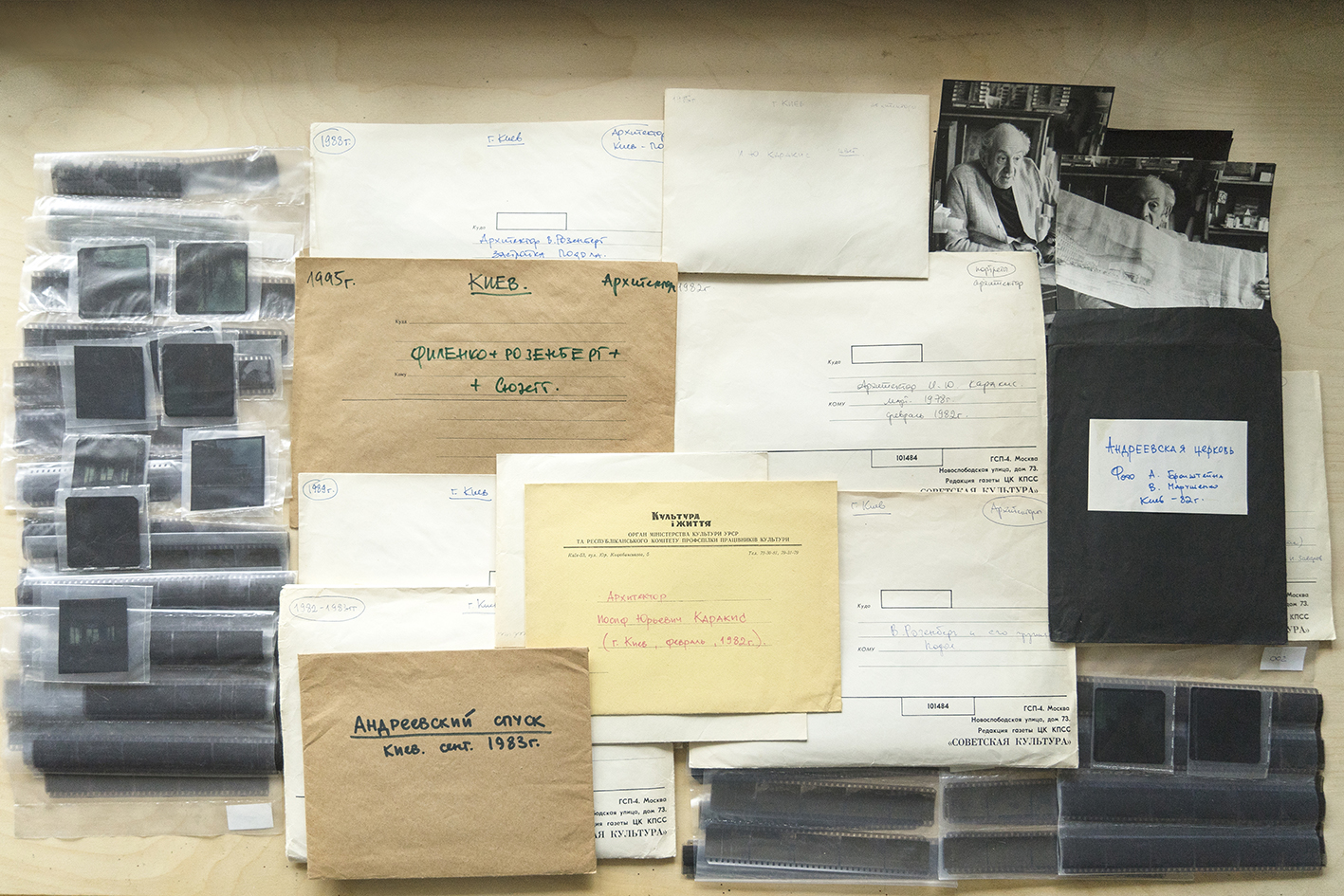
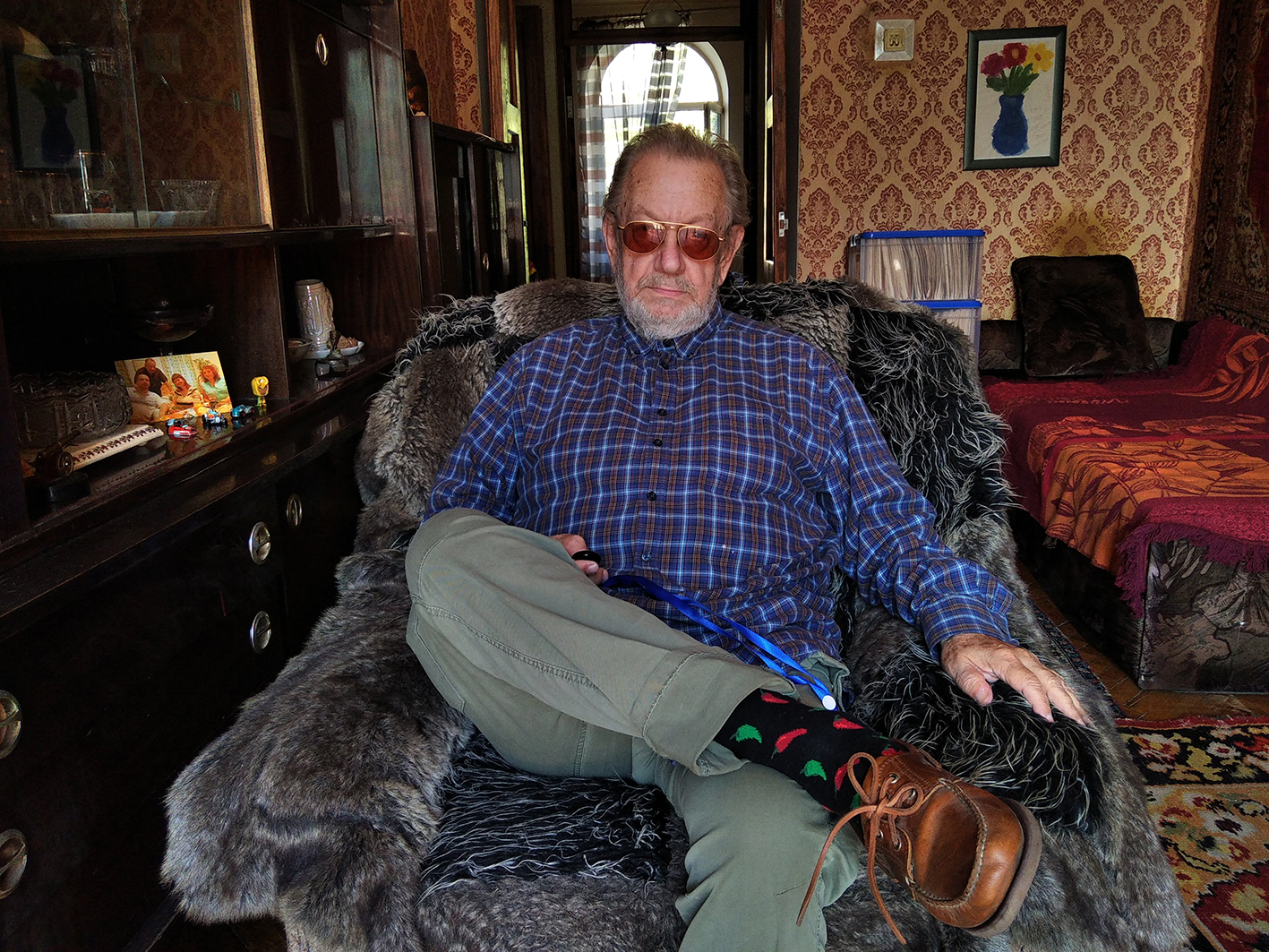
Viktor, as a legend of Kyiv cultural life, was also well-acquainted with many architects. Among his close friends were such famous Kyiv-based architects as Viktor Rozenberg, Leonid Filenko, Joseph Karakis, and others. Viktor photographed them both in a relaxed, everyday setting and in an official style, in front of their buildings and projects. Until the end of the USSR, Viktor worked as a professional photographer for the art magazine Soviet Culture. Marushchenko often prepared long photojournalistic reports on various relevant topics. These included architectural stories about scientific institutes, such as KyivZDNIEP (Kyiv Zonal Scientific and Design Research Institute for Civil Engineering) or the Institute of Heritage Reconstruction.
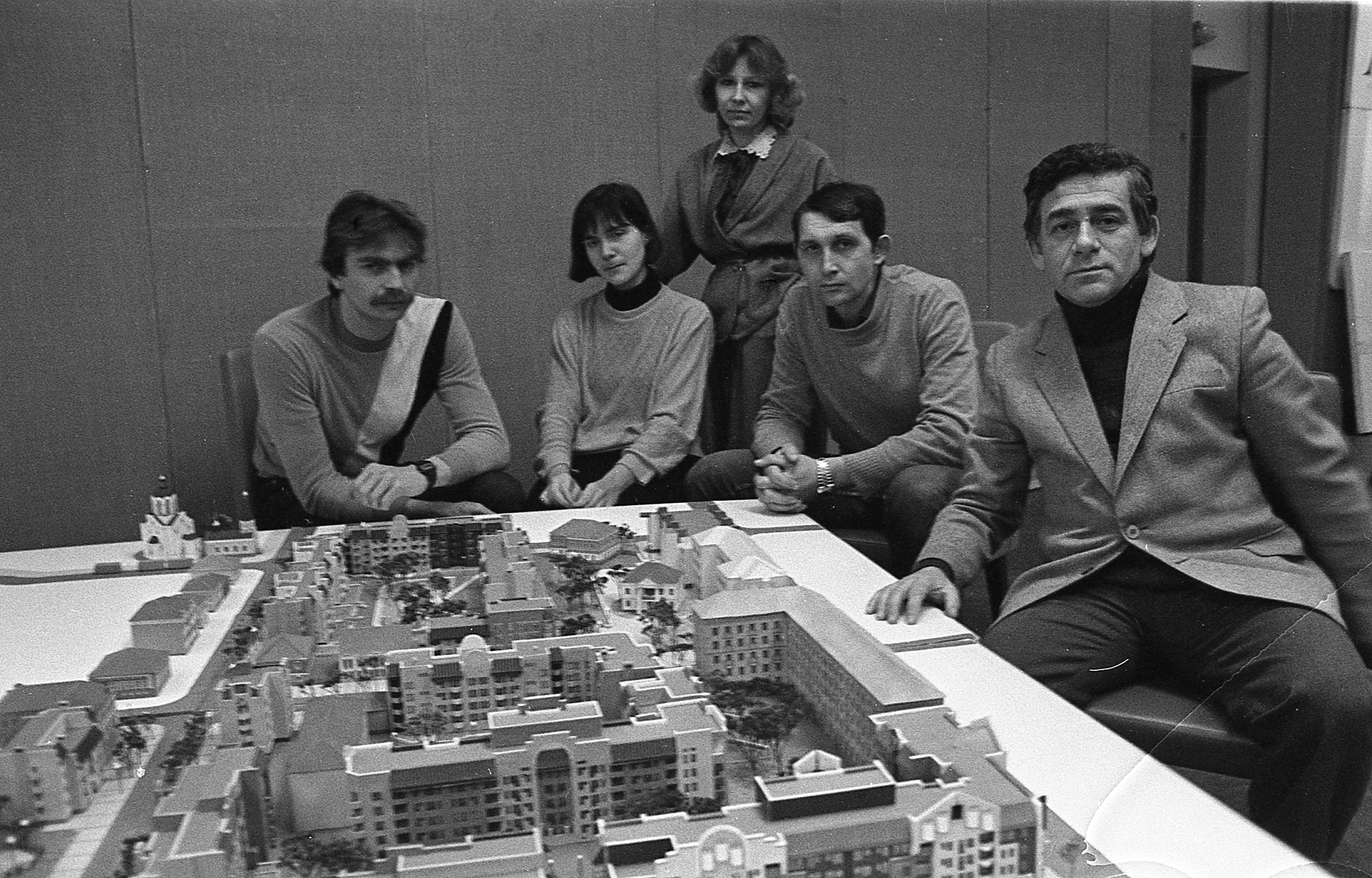
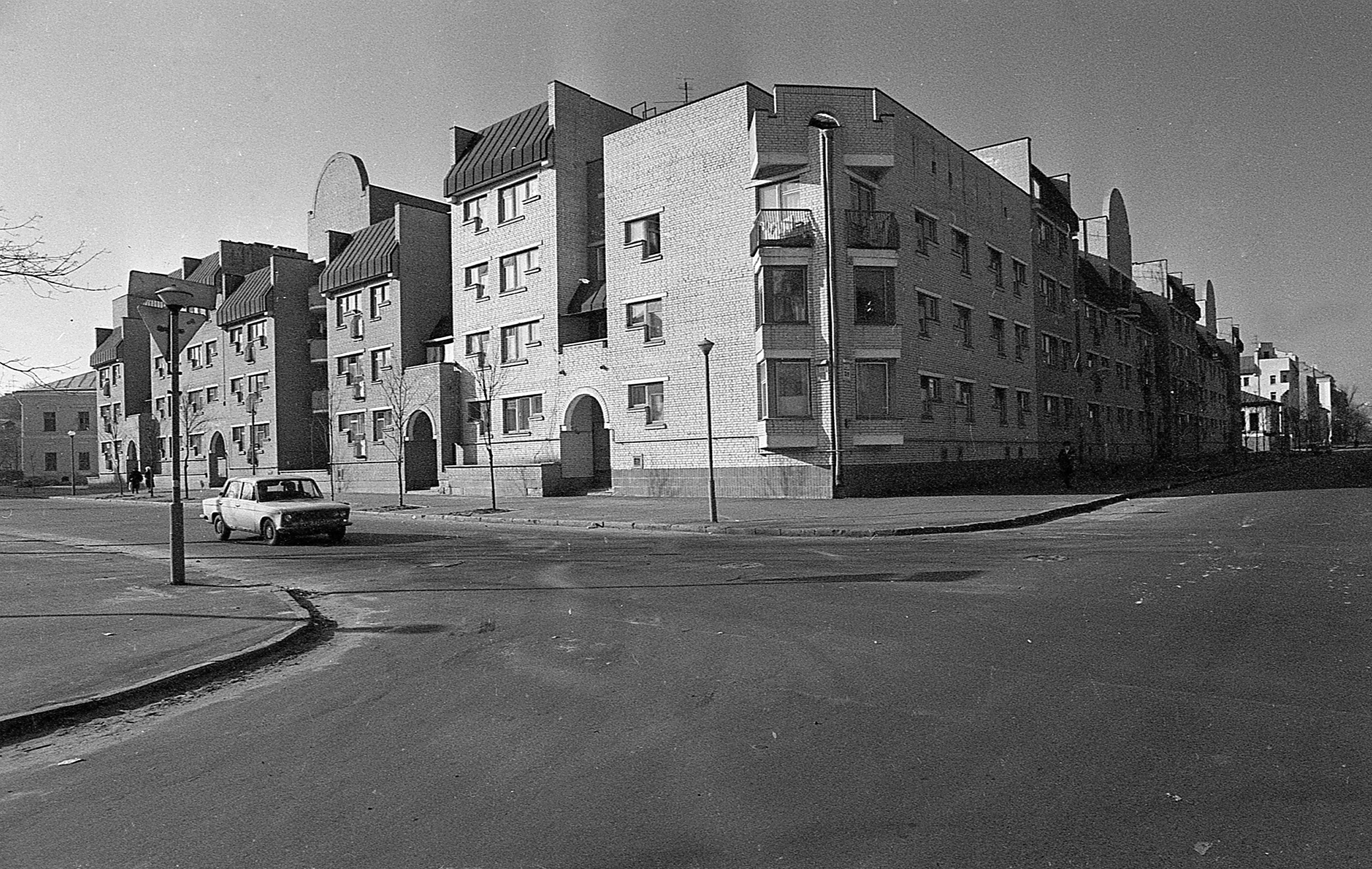
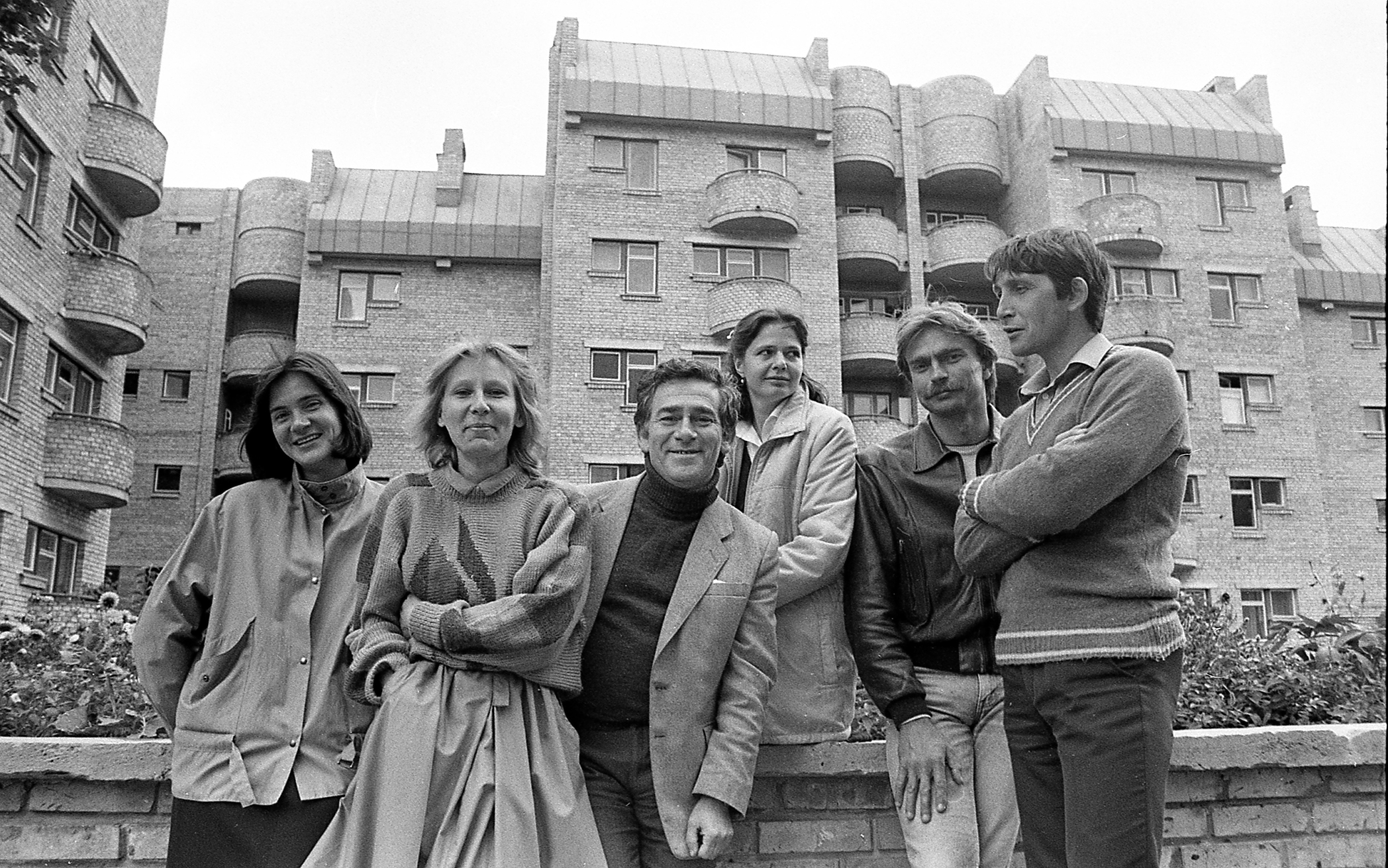
One of my favourite parts of the Marushchenko archive is dedicated to Viktor Rozenberg. Viktor Rozenberg is known primarily as the architect behind one of the most iconic postmodernist building projects in Kyiv, which takes a very sensitive approach to the historical environment of Podil, one of the city’s oldest districts. Viktor Marushchenko shot a gorgeous series of photos of Viktor Rozenberg’s entire project team, as well as the newly commissioned residential units on the site. The postmodern architectural fashion of playing with historical narratives was tried at the right time in the right place. An international award from Domus magazine was an important marker of success for the project, and it was declared an outstanding example of delicate integration into the historical urban space.
Regarding the photos of Rozenberg’s group by Marushchenko, it is worth noting that here we see a rare example of very stylish, professional photography not only of Soviet architecture but also of Soviet architects. The style of Rozenberg’s group was expressed not only in their designs but also in their appearance. These photos of a young group of architects led by their experienced leader look like an album cover by a post-punk band from the Western world in the late 1980s. That they are photographed against the backdrop of their own buildings also very clearly fulfils all the classic trends in shooting portraits of architects. As in the previous examples, this shot also captures the buildings’ architecture in its original form, which, unfortunately, suffered significant deterioration due to the actions of its inhabitants after the collapse of the USSR.
- Alex Bykov, Viktor Marushchenko, “Architecture. Community. Time”, (5.6 magazine, 2018), issue 12.
This article results from the Symposium ‘Curating and Researching Photography from Ukraine, organised by Open Eye Gallery and the University of Salford, funded by the British Council Ukraine and the Ukrainian Institute, curated by Kateryna Filyuk