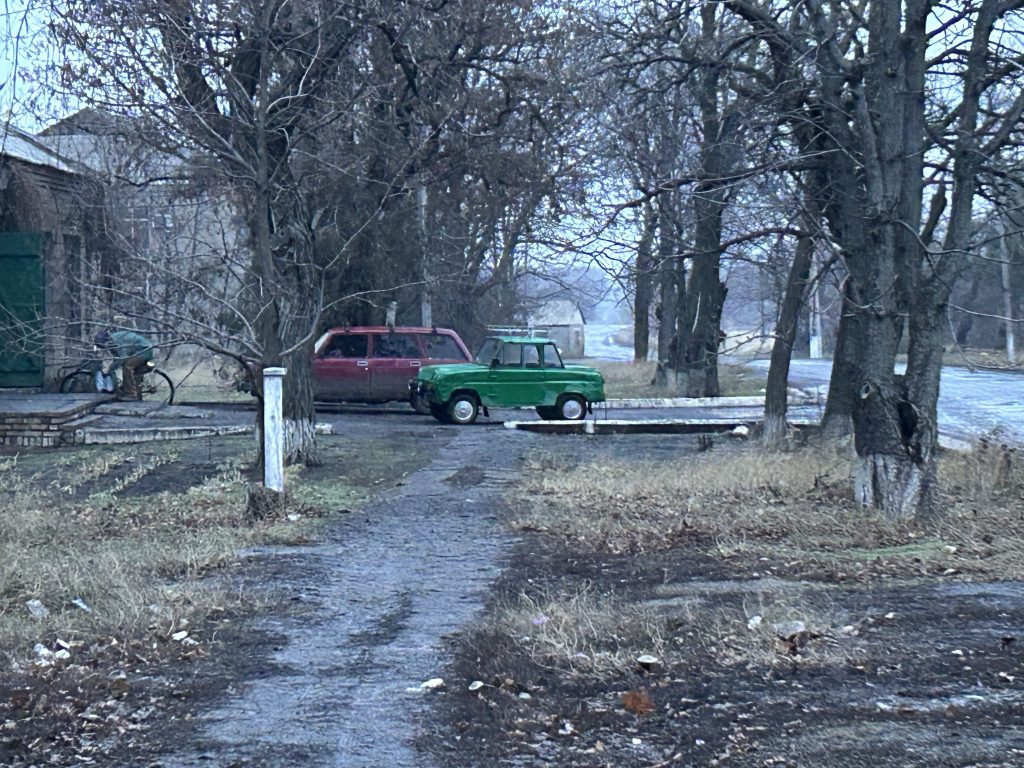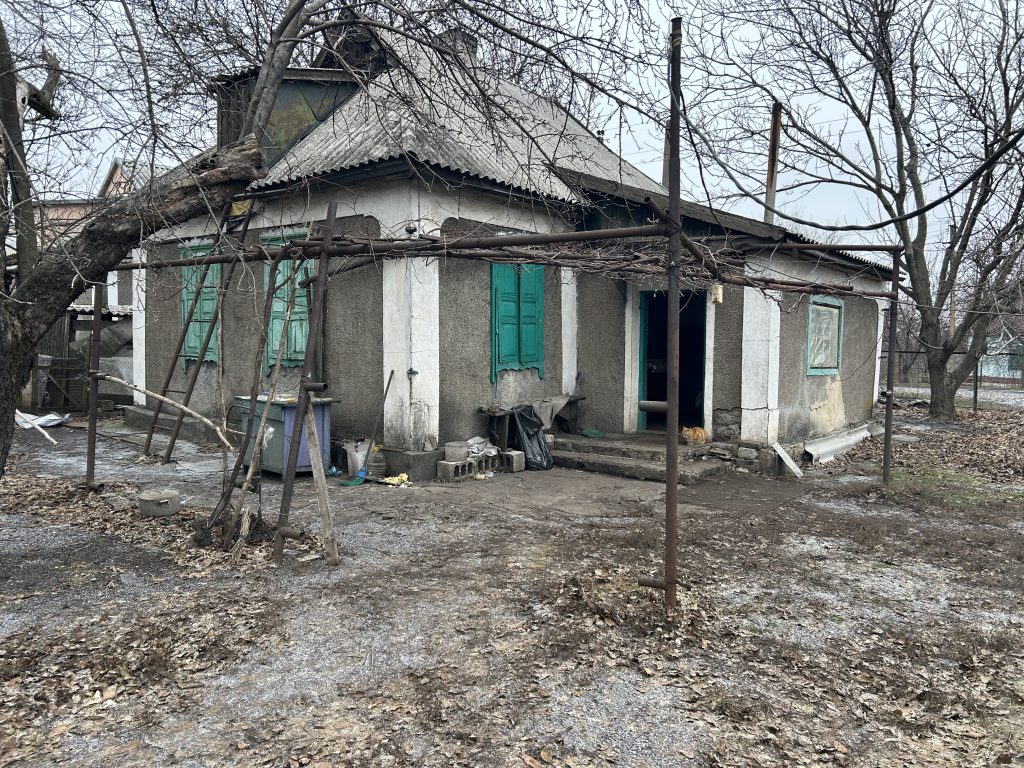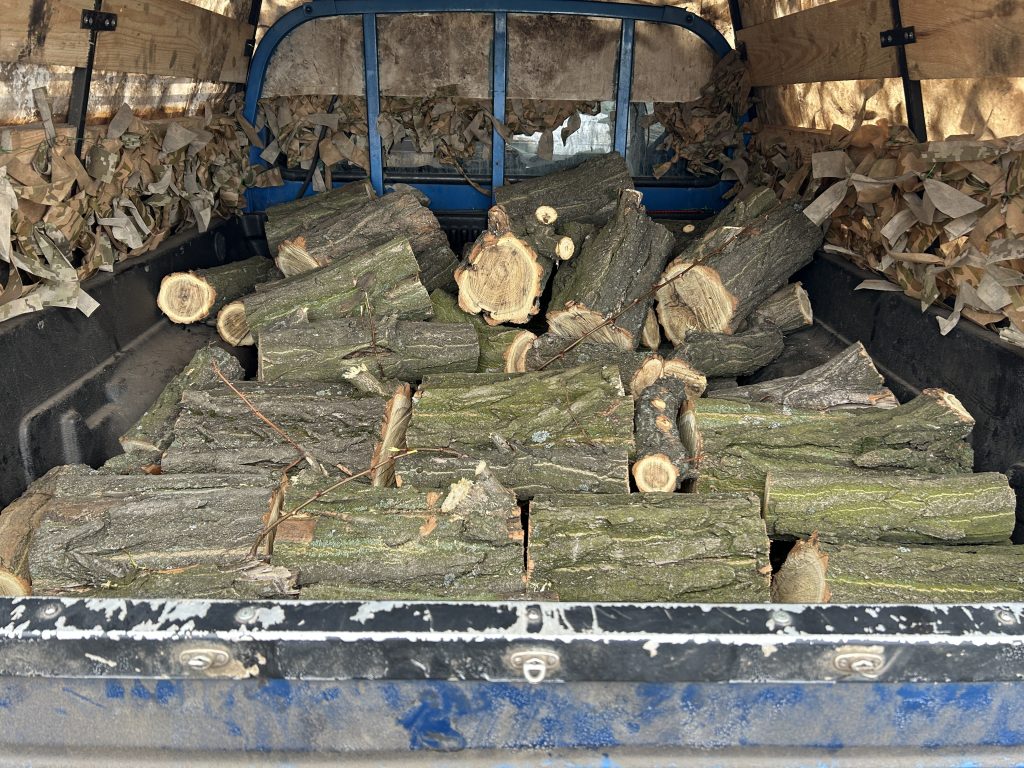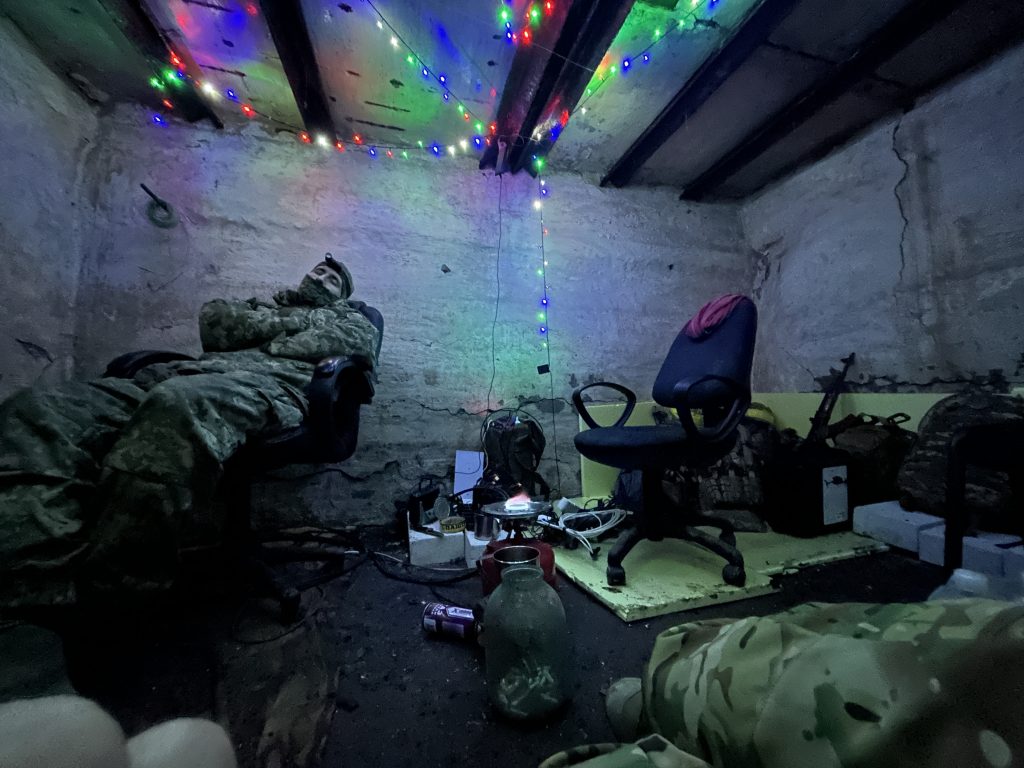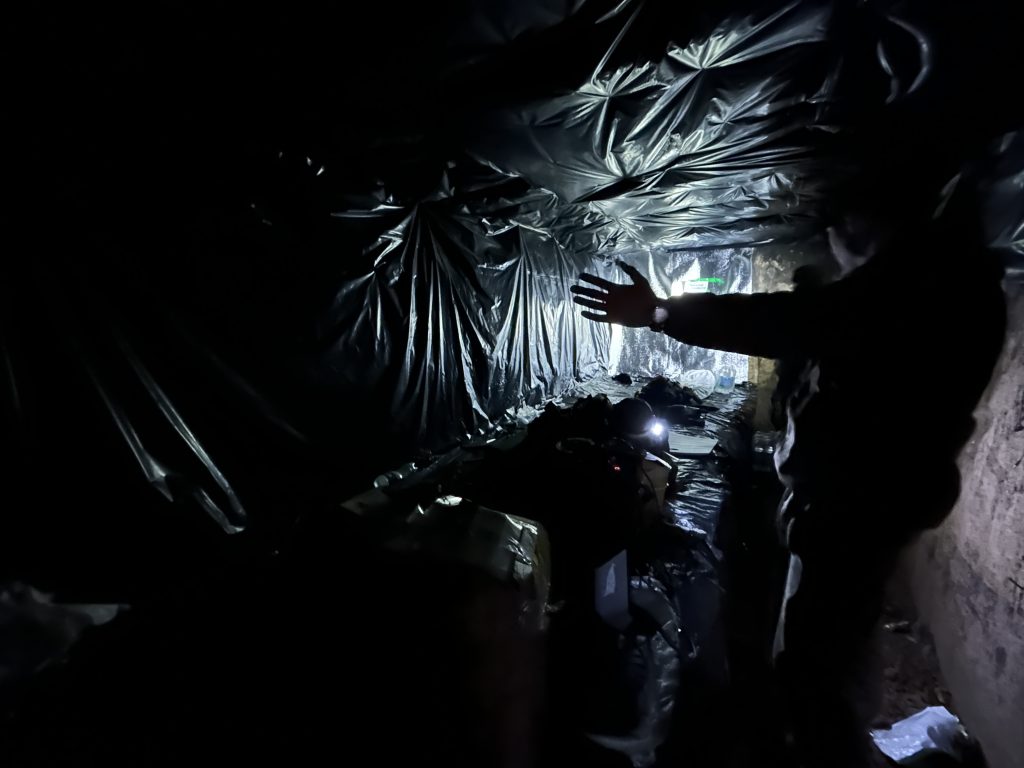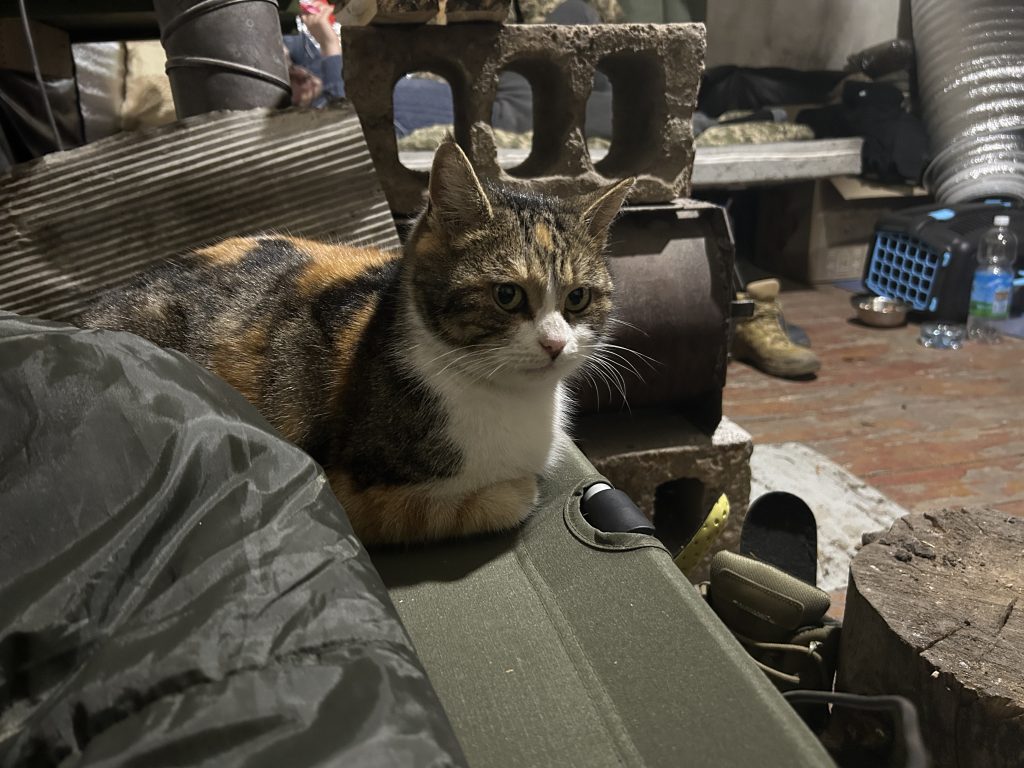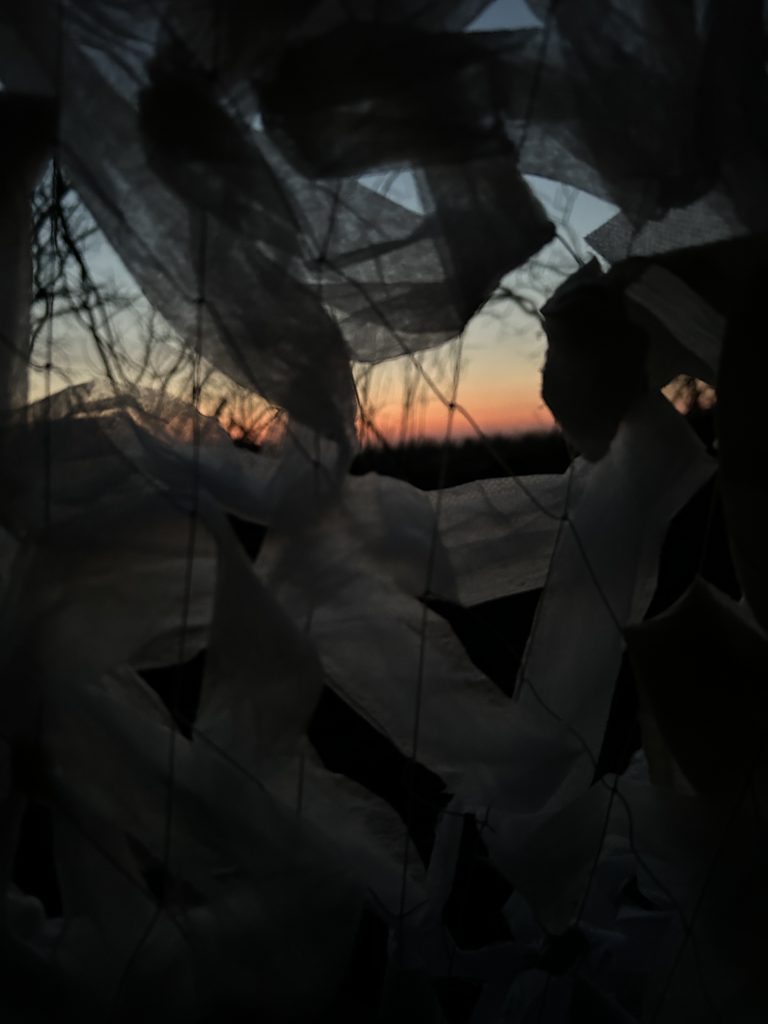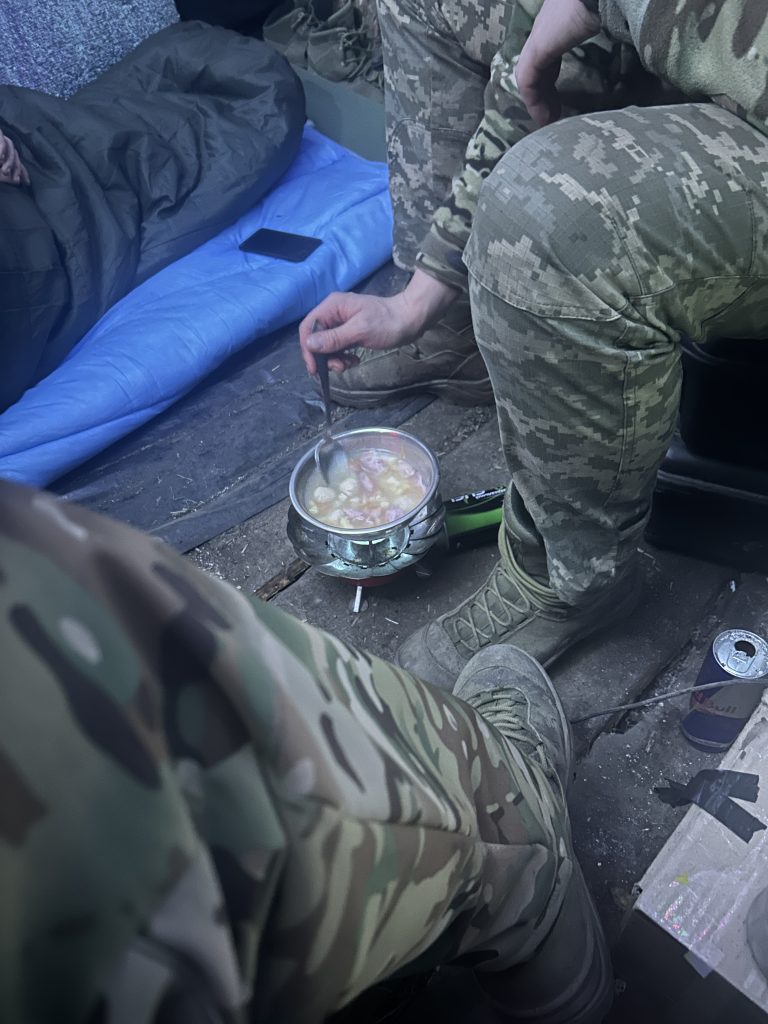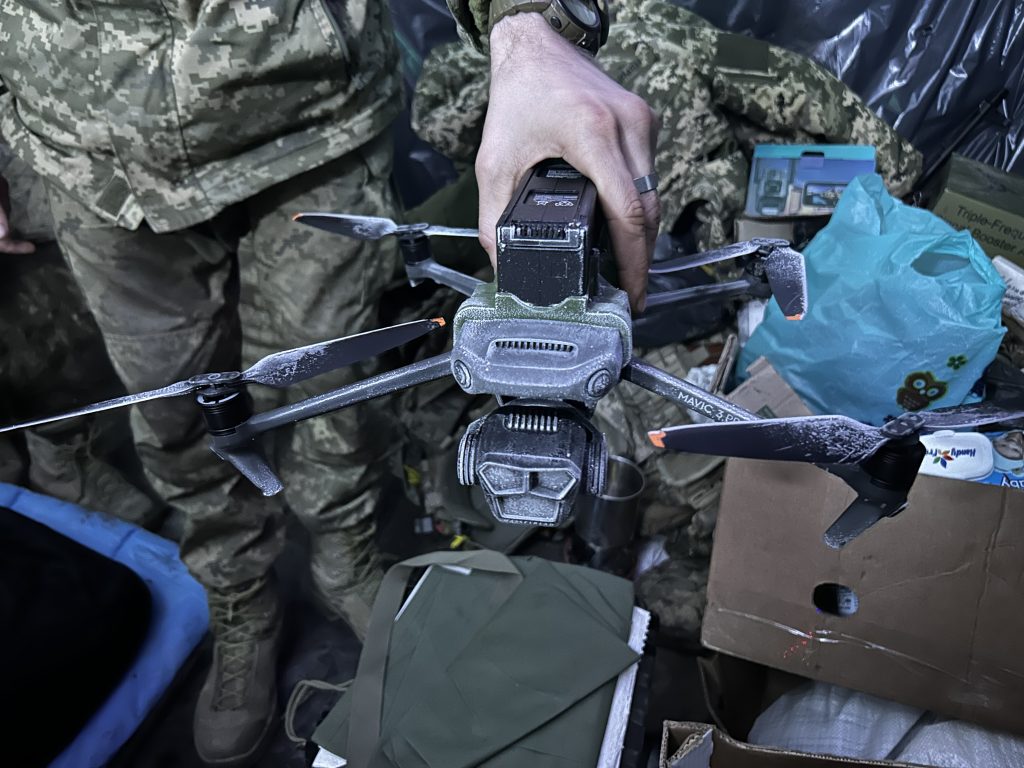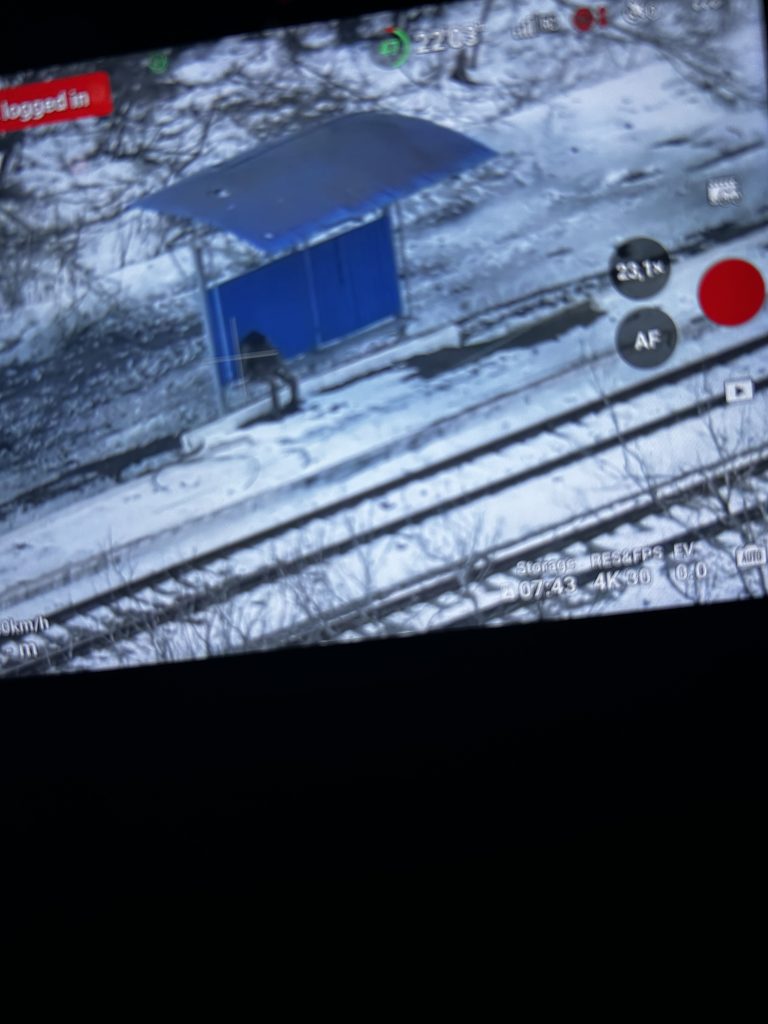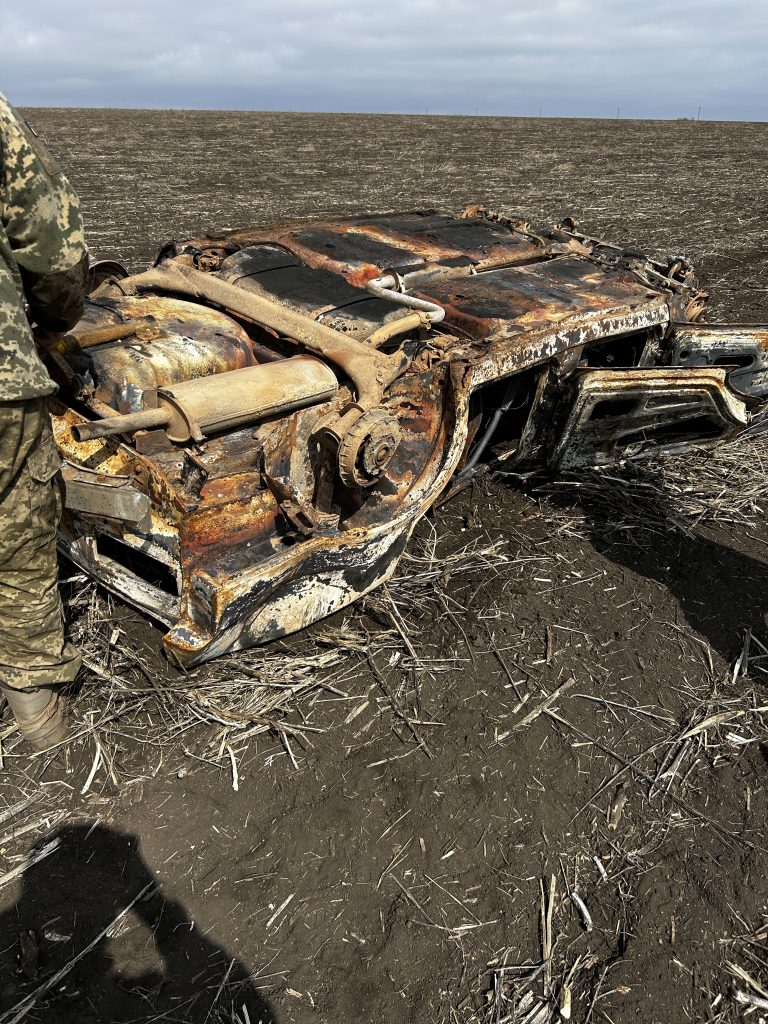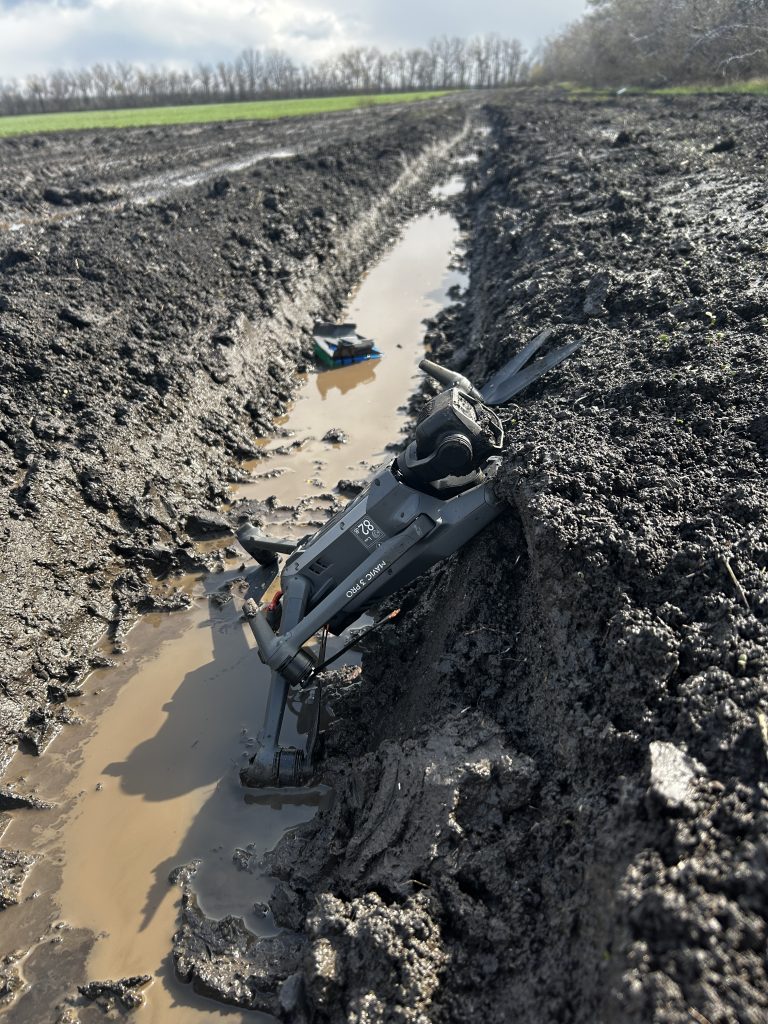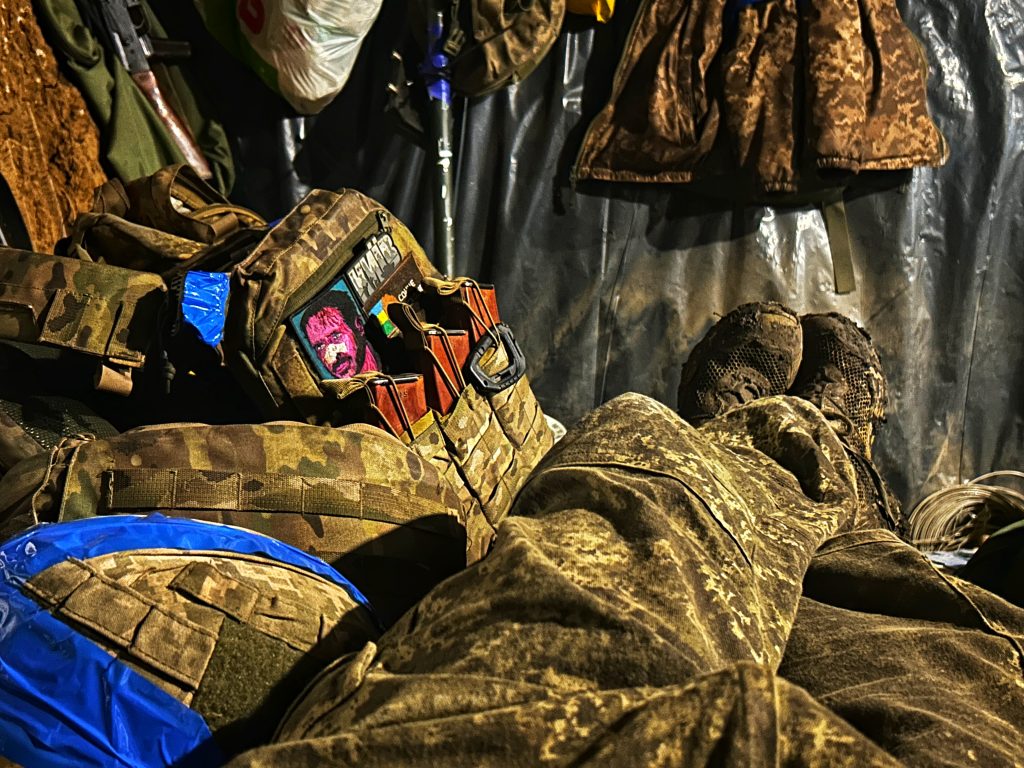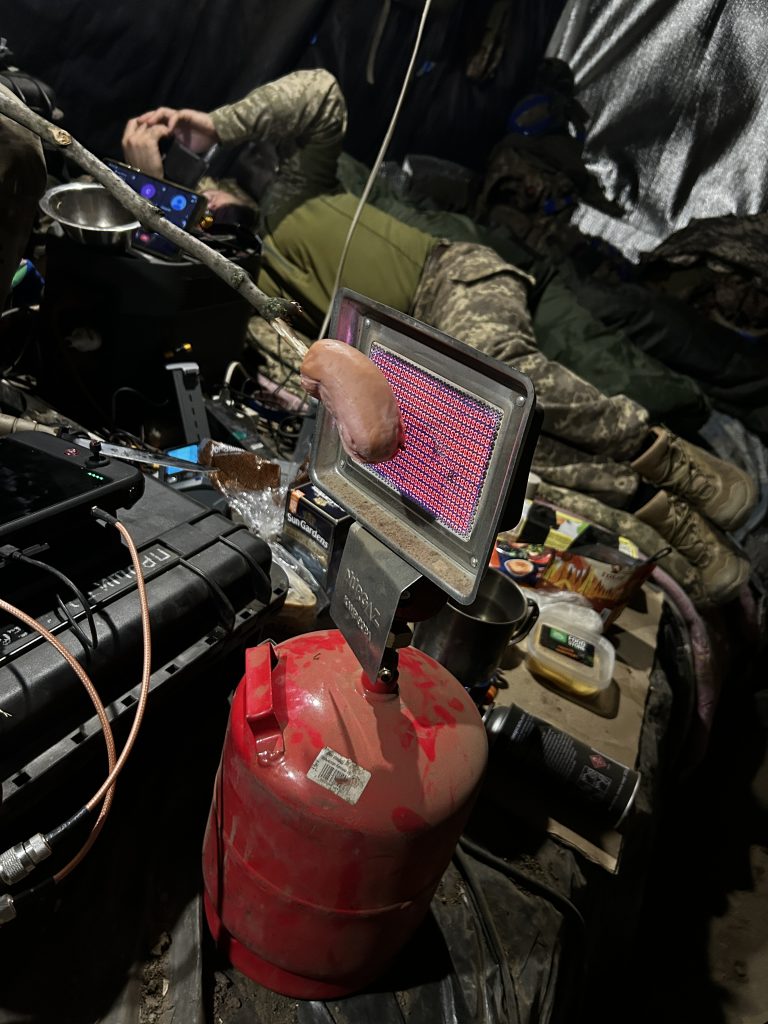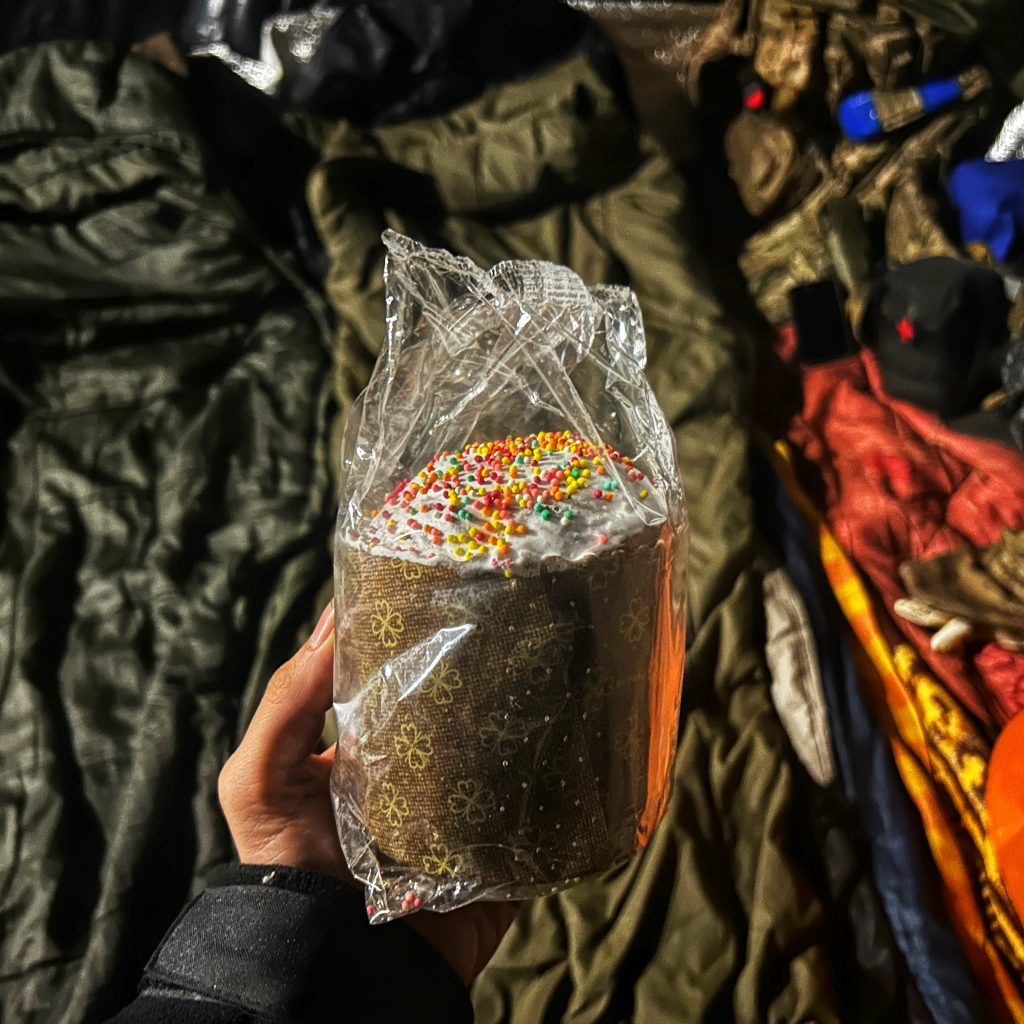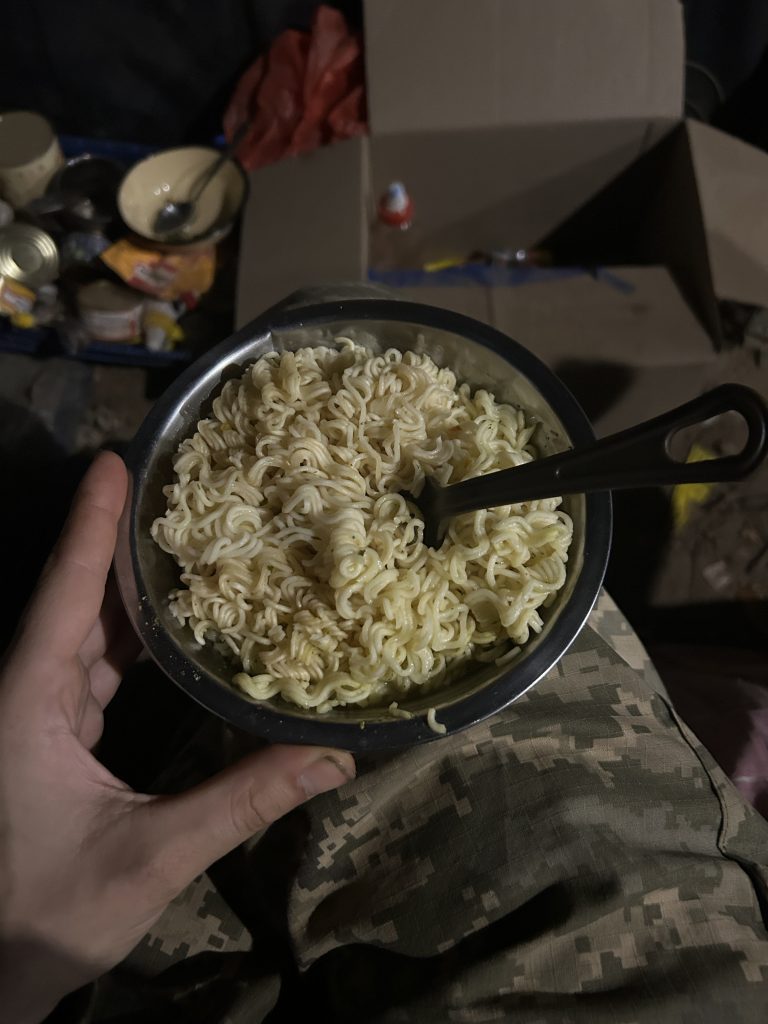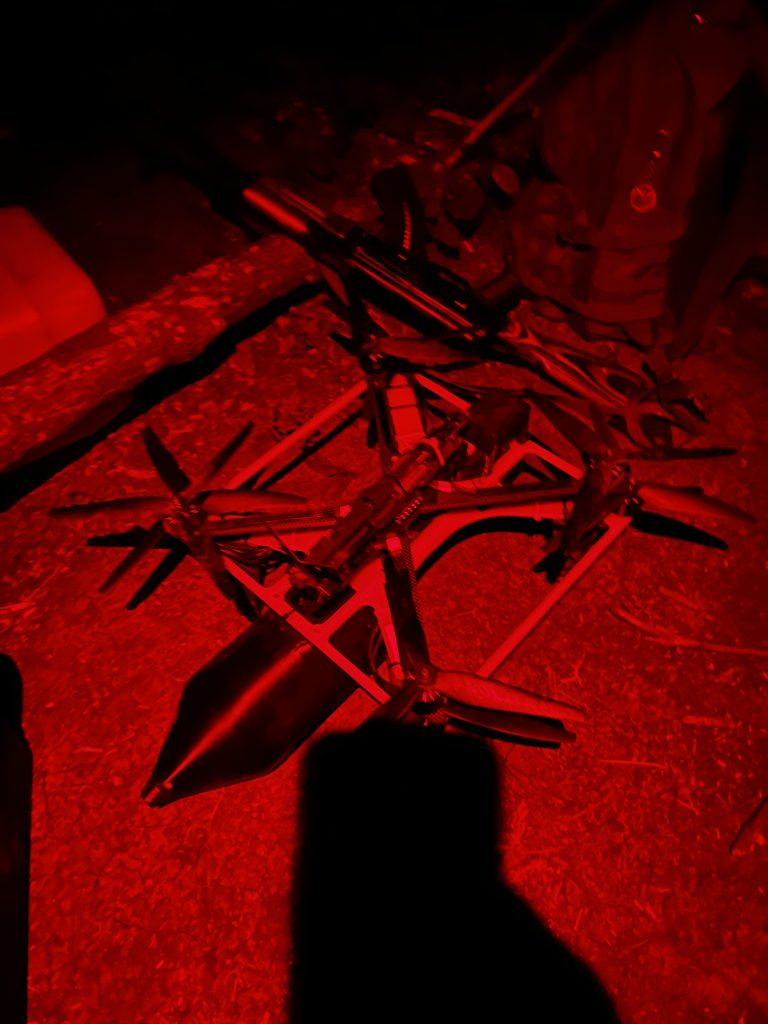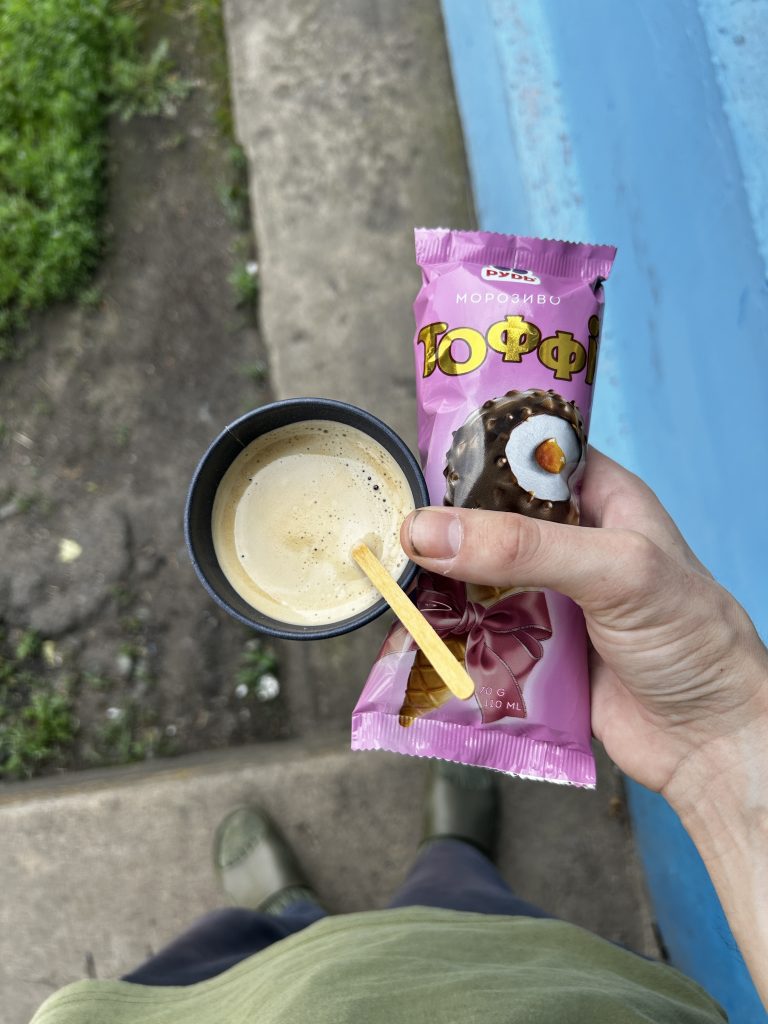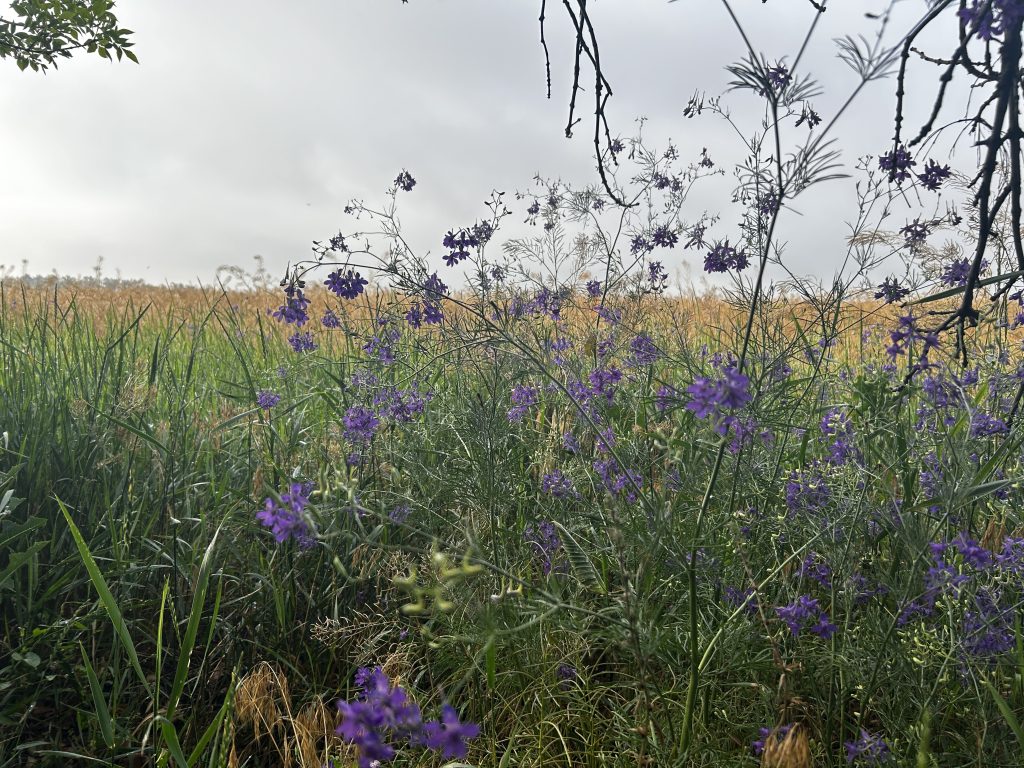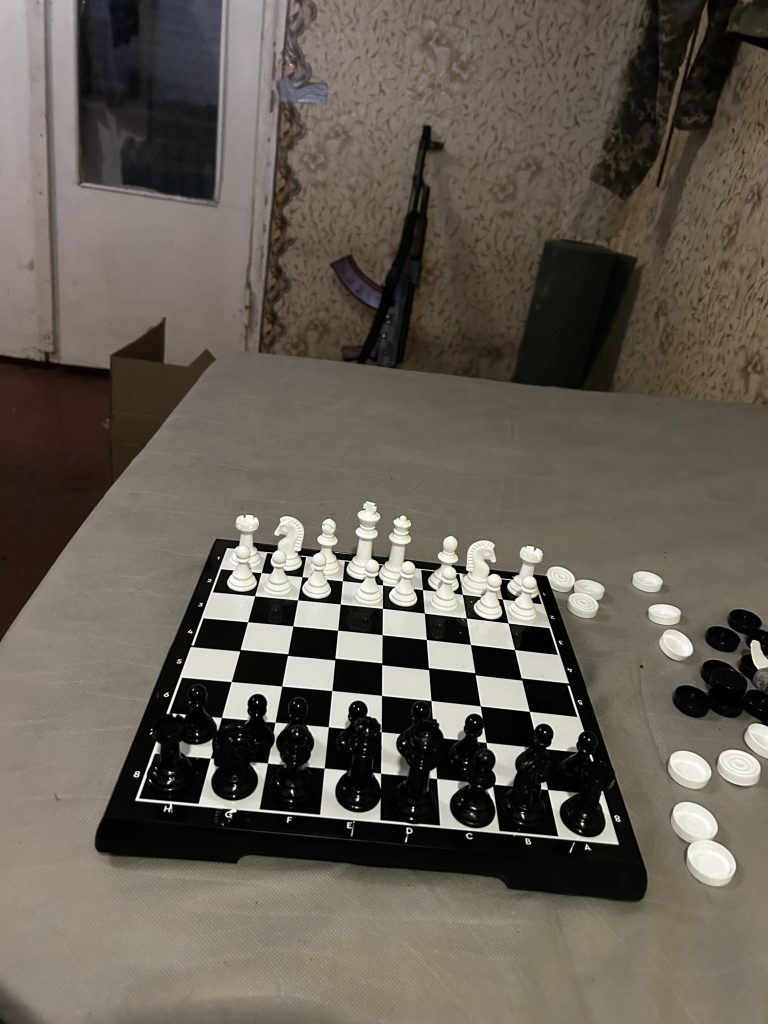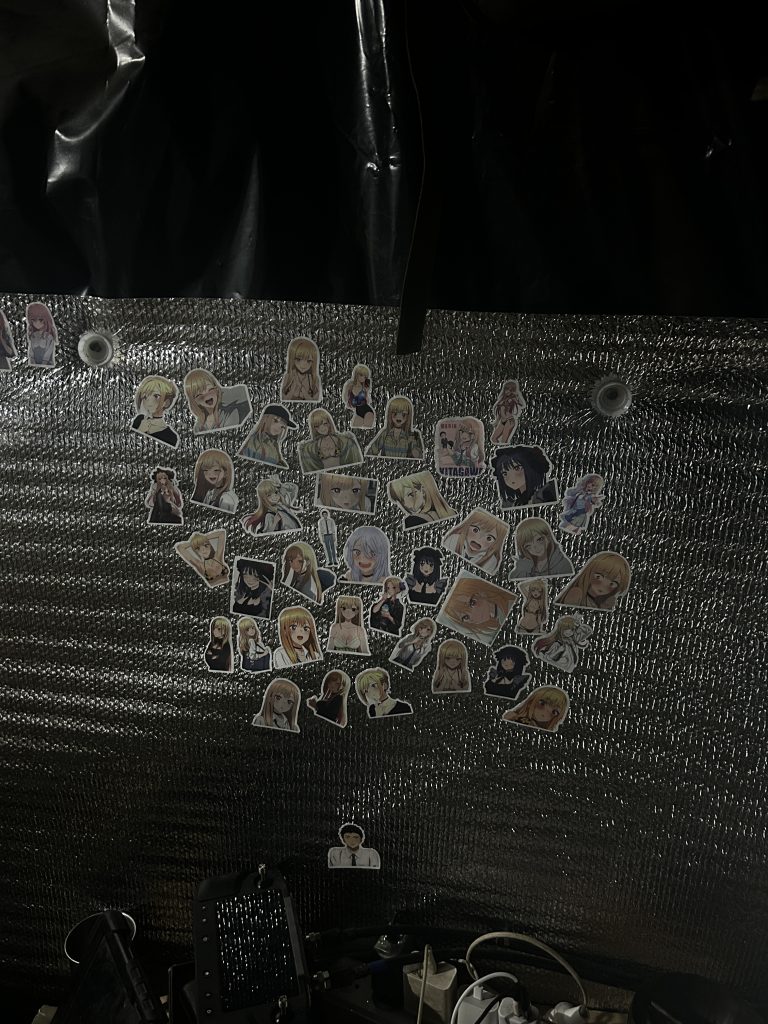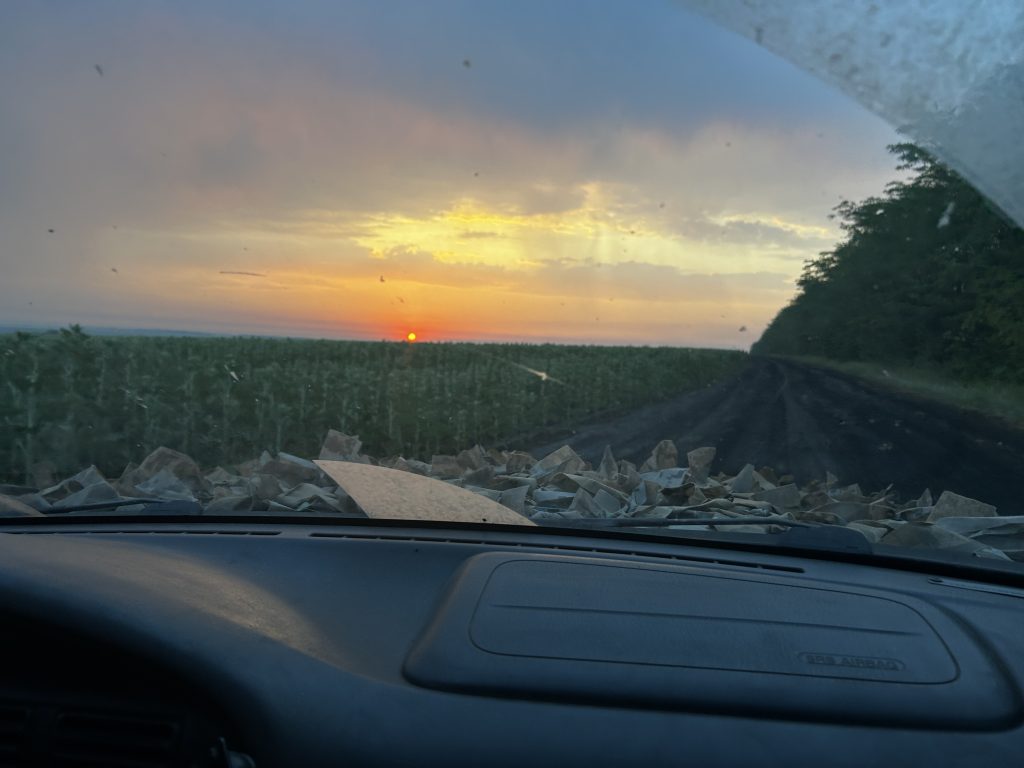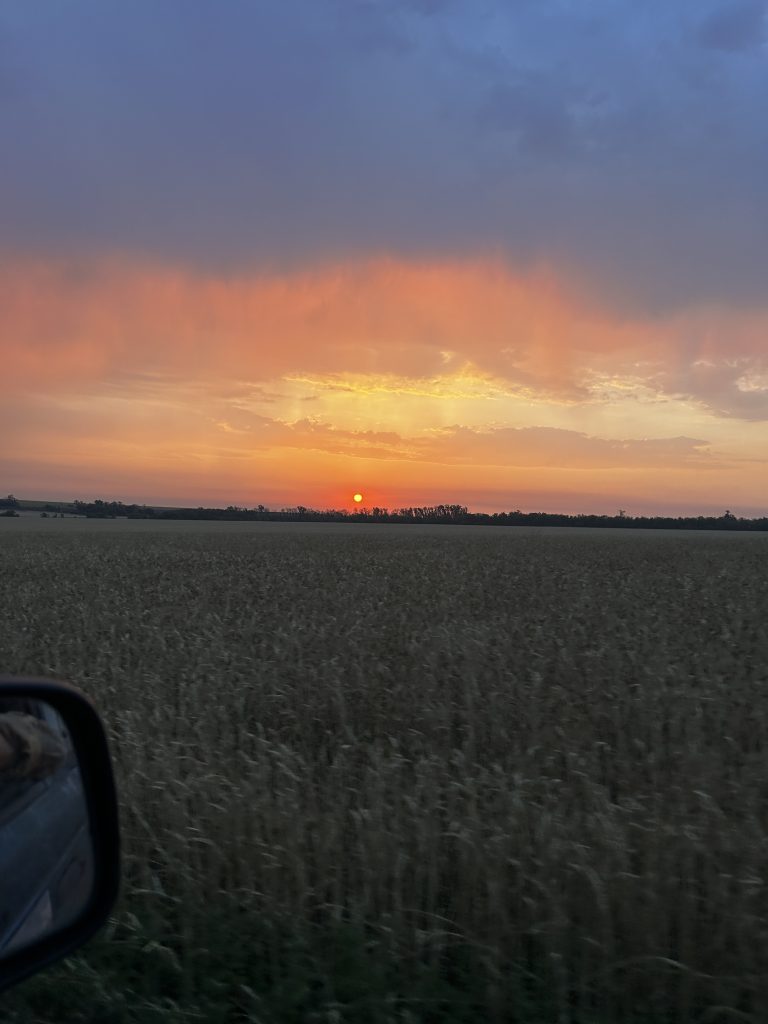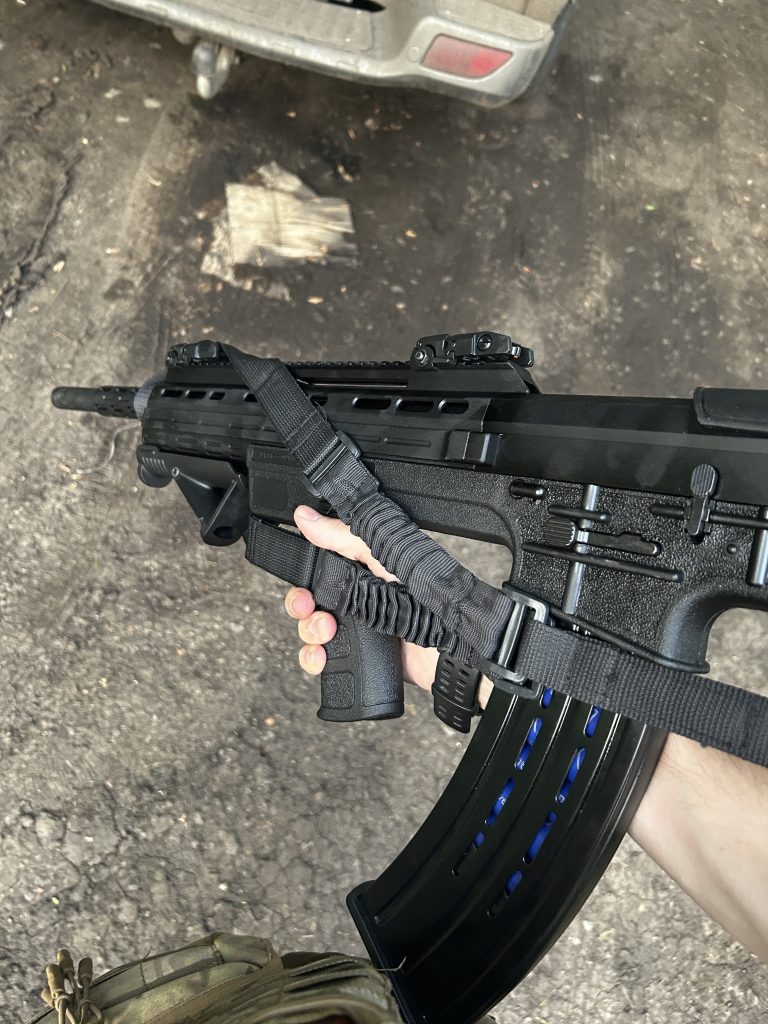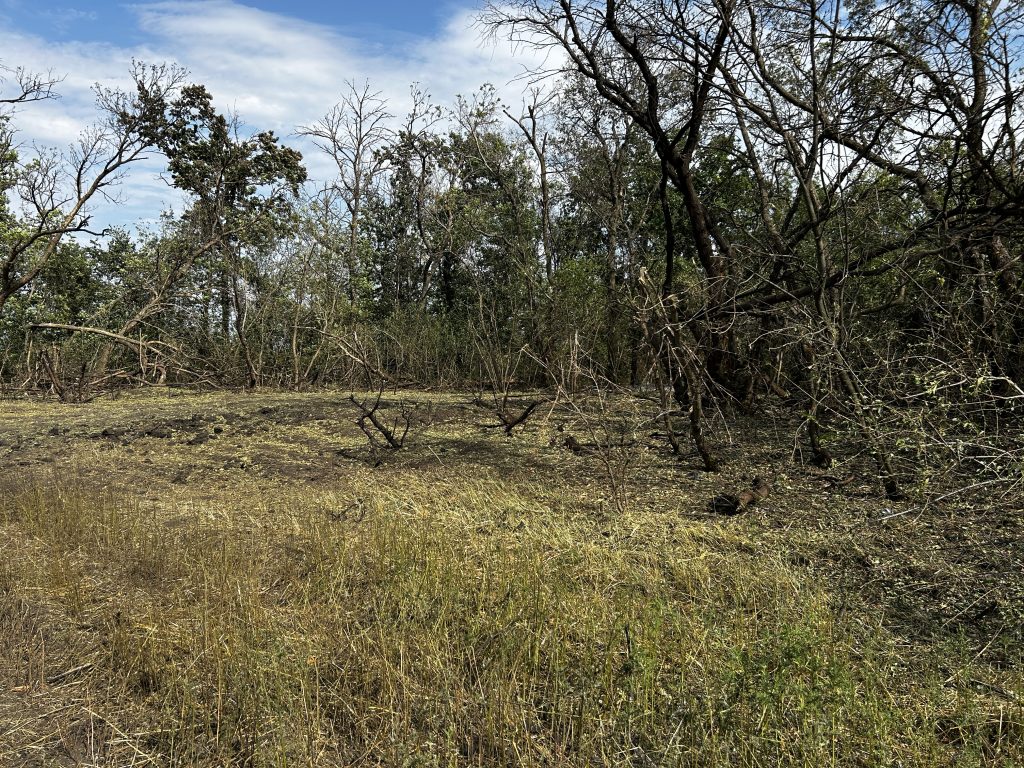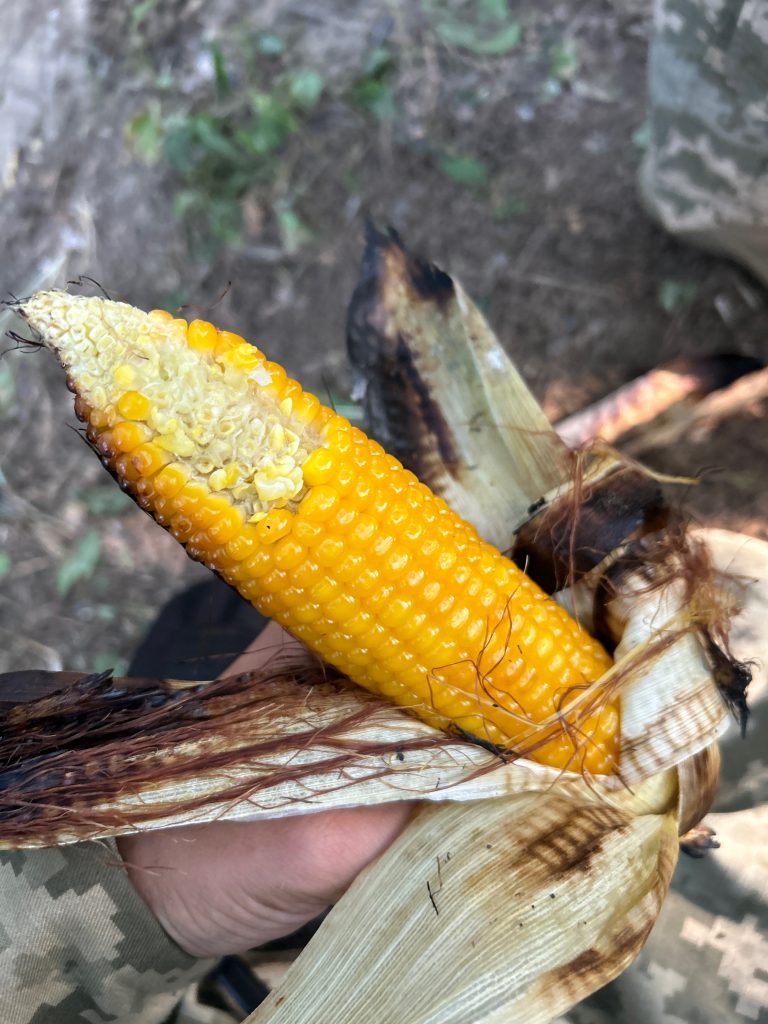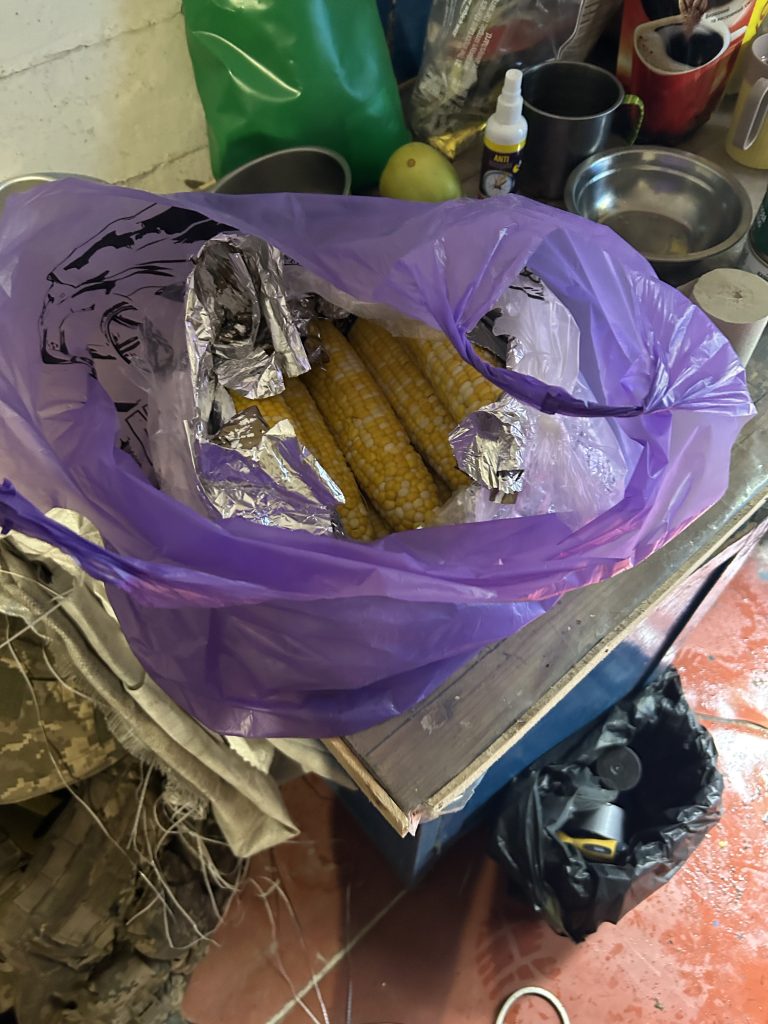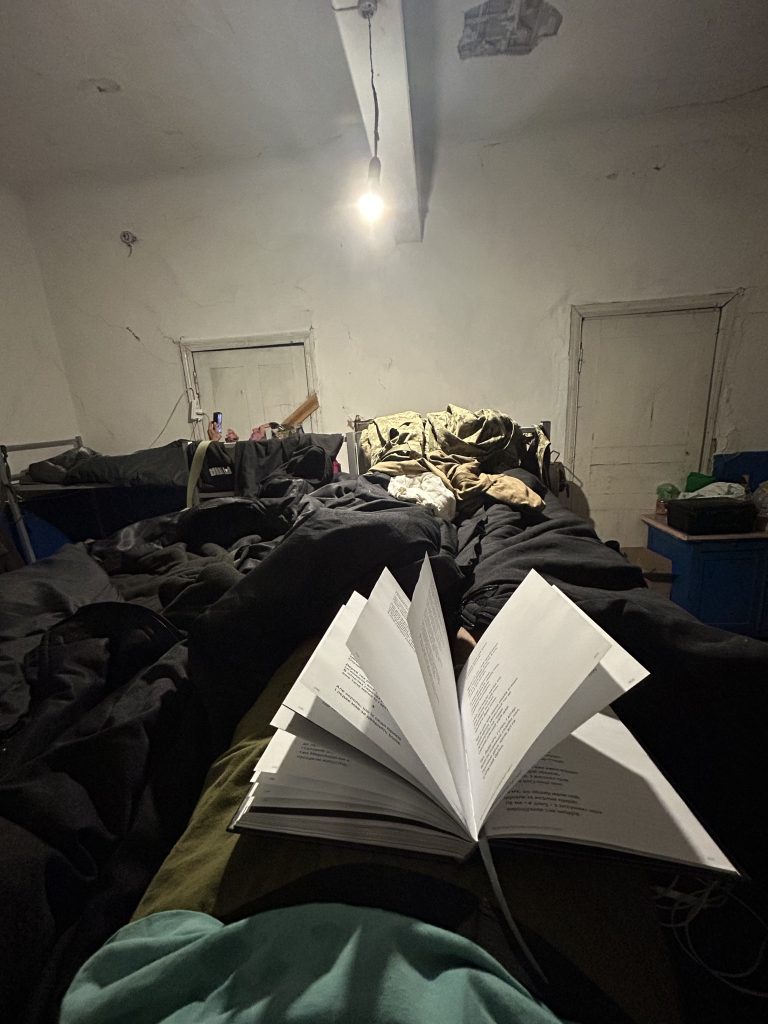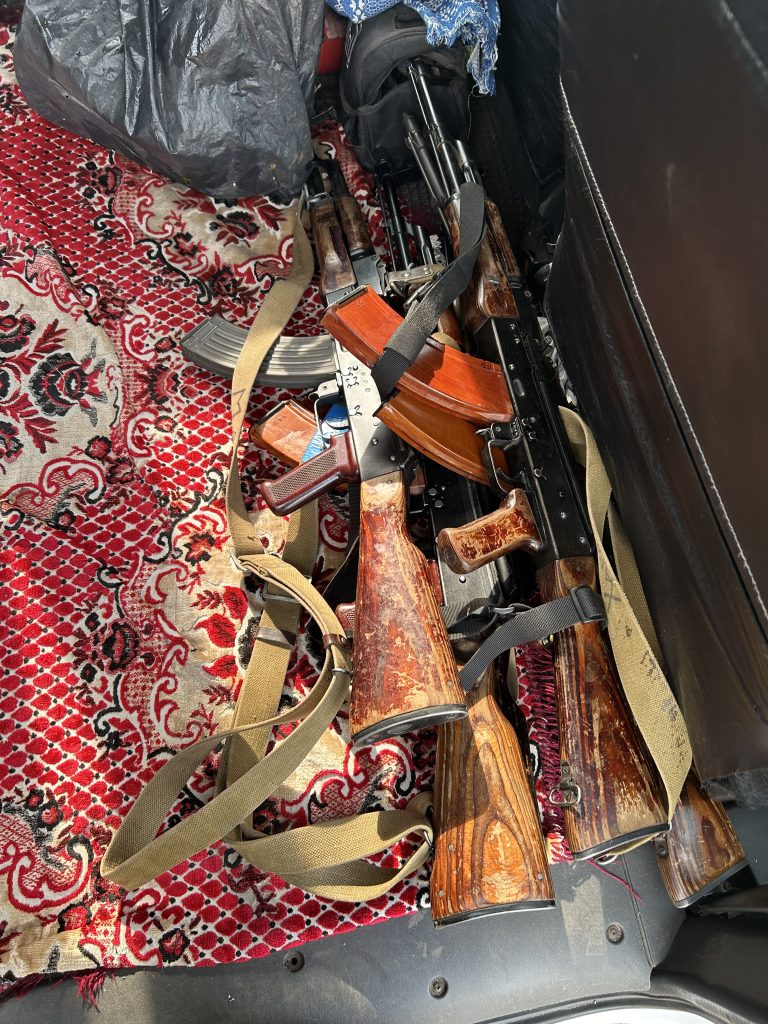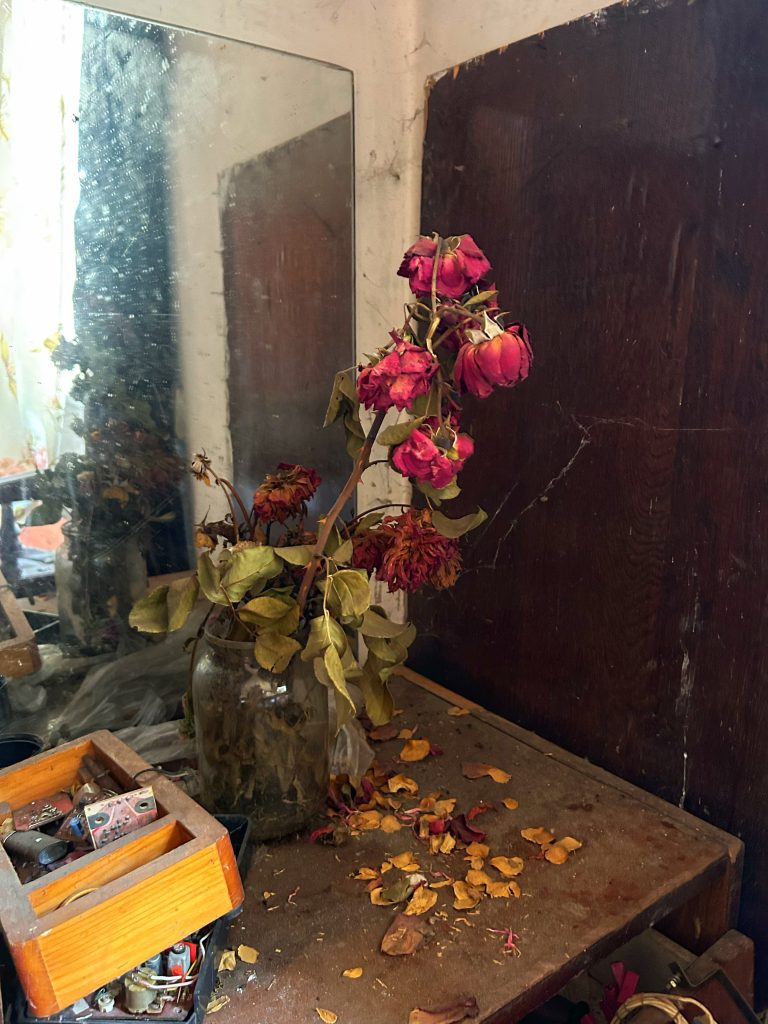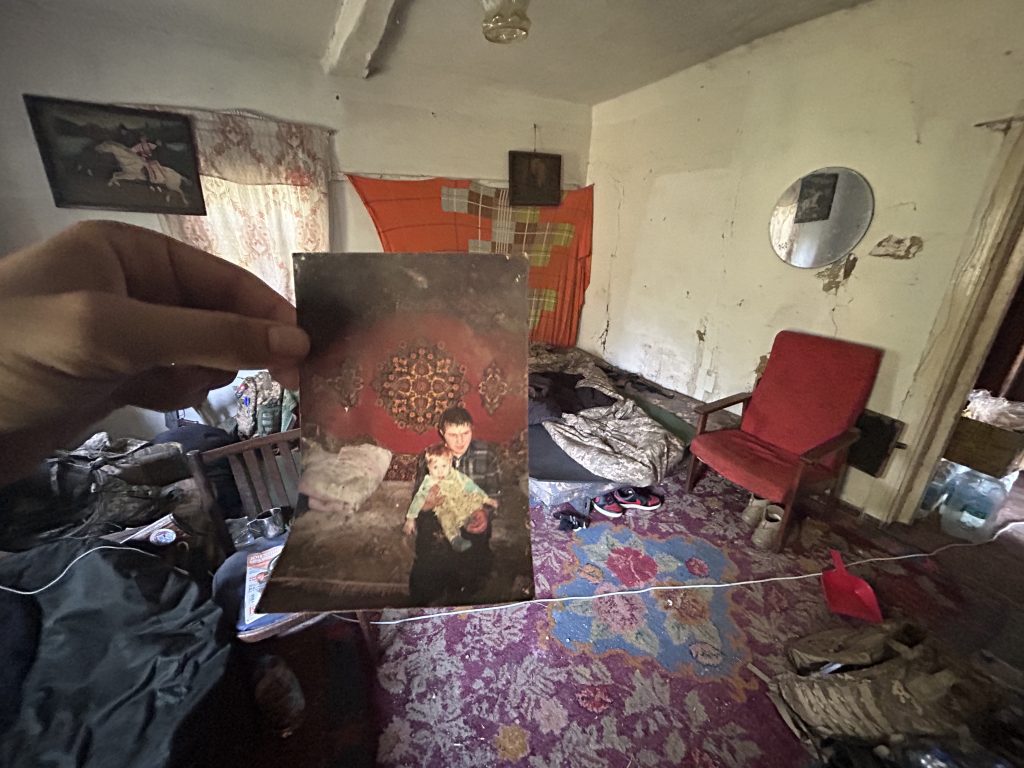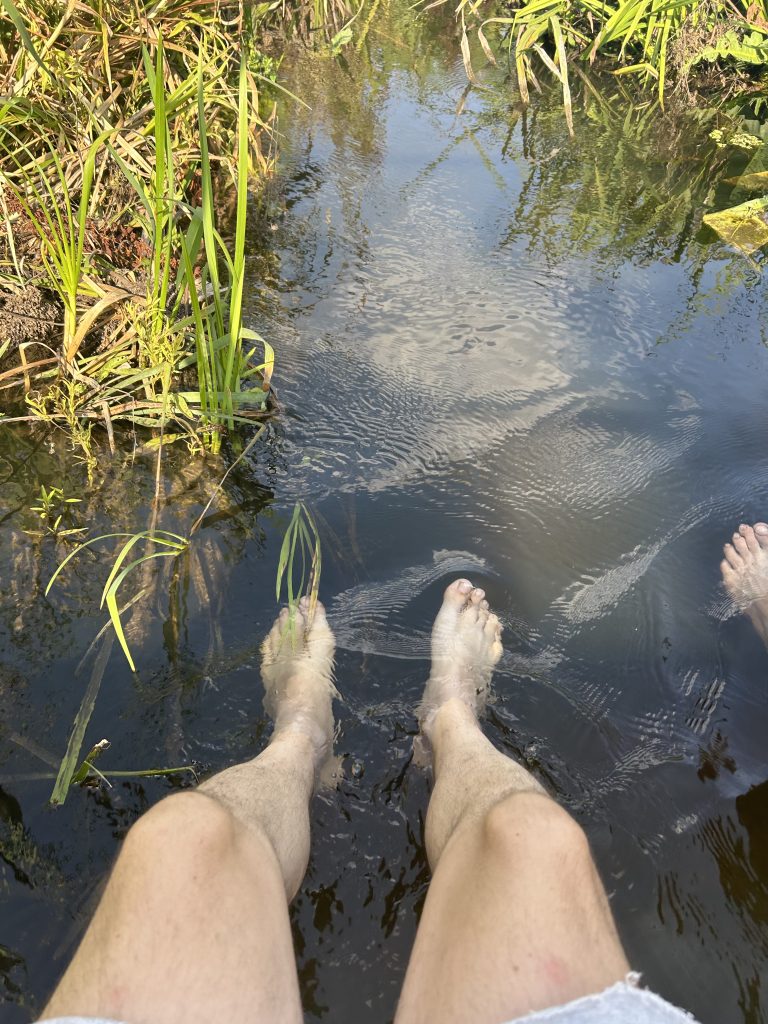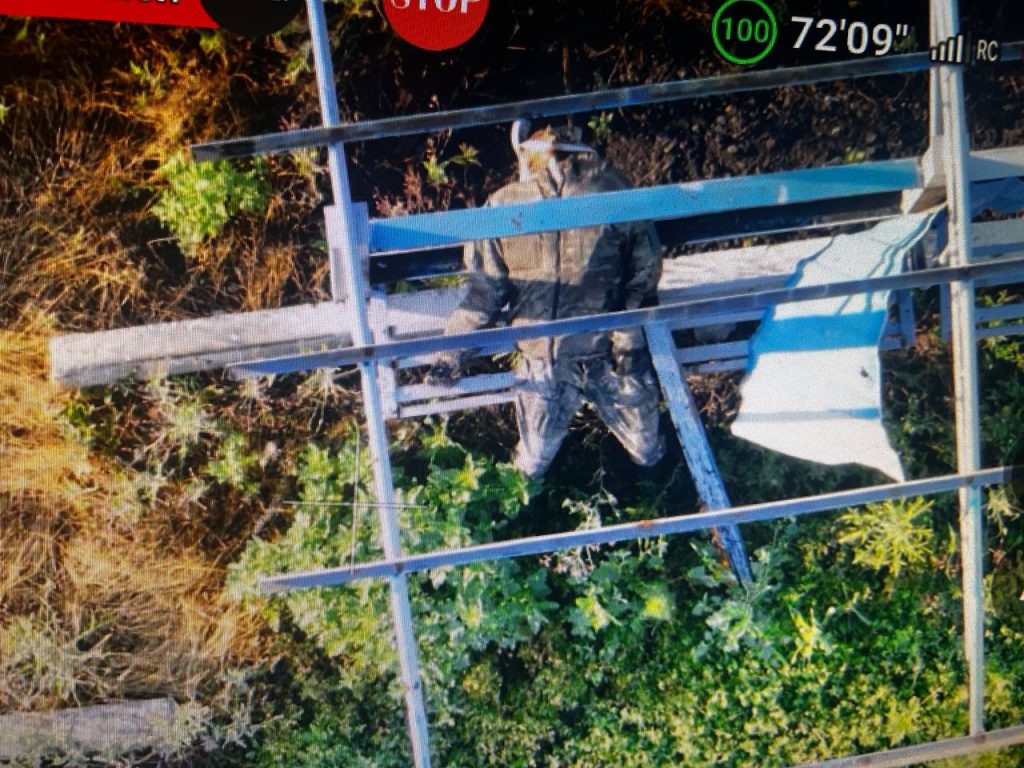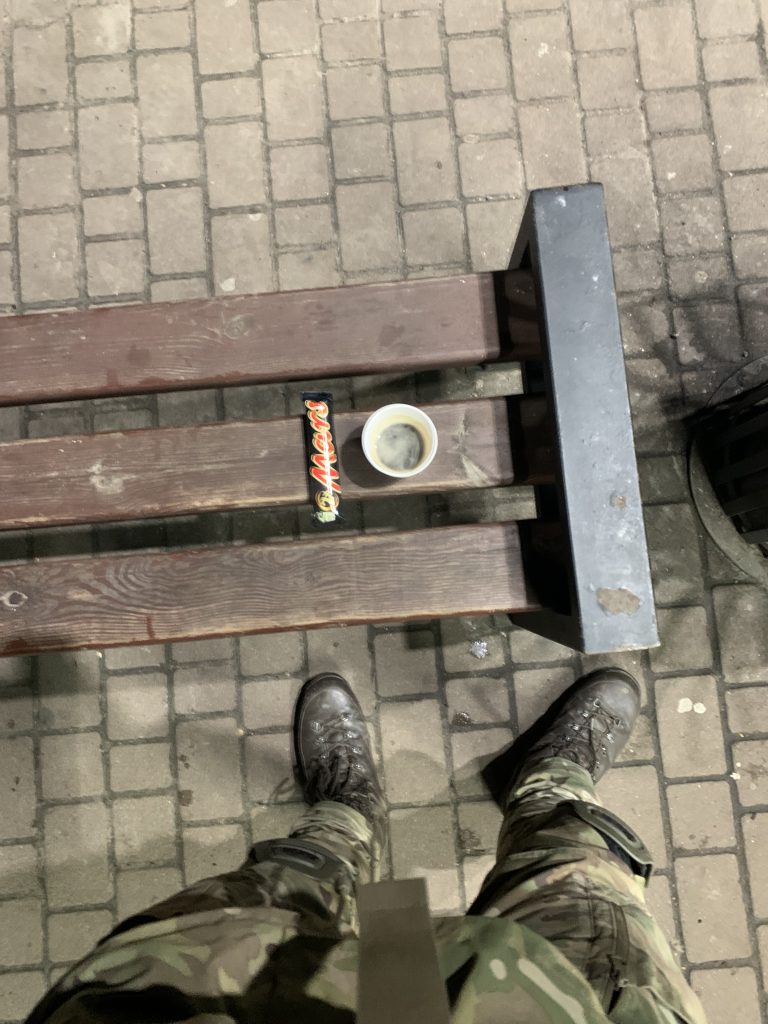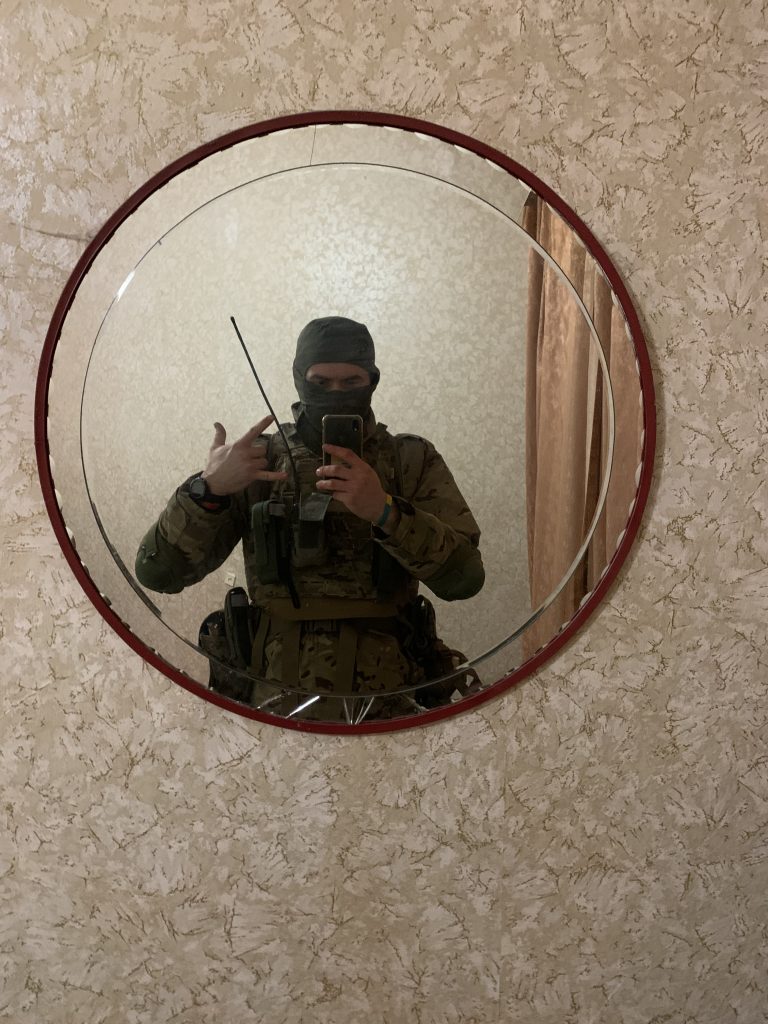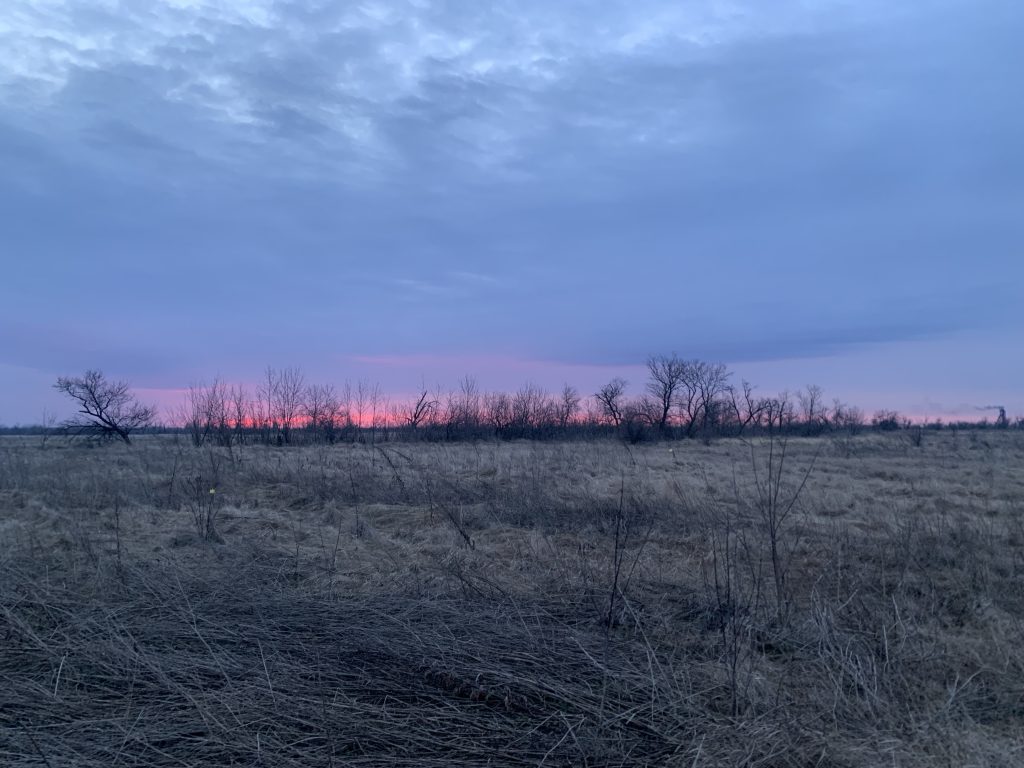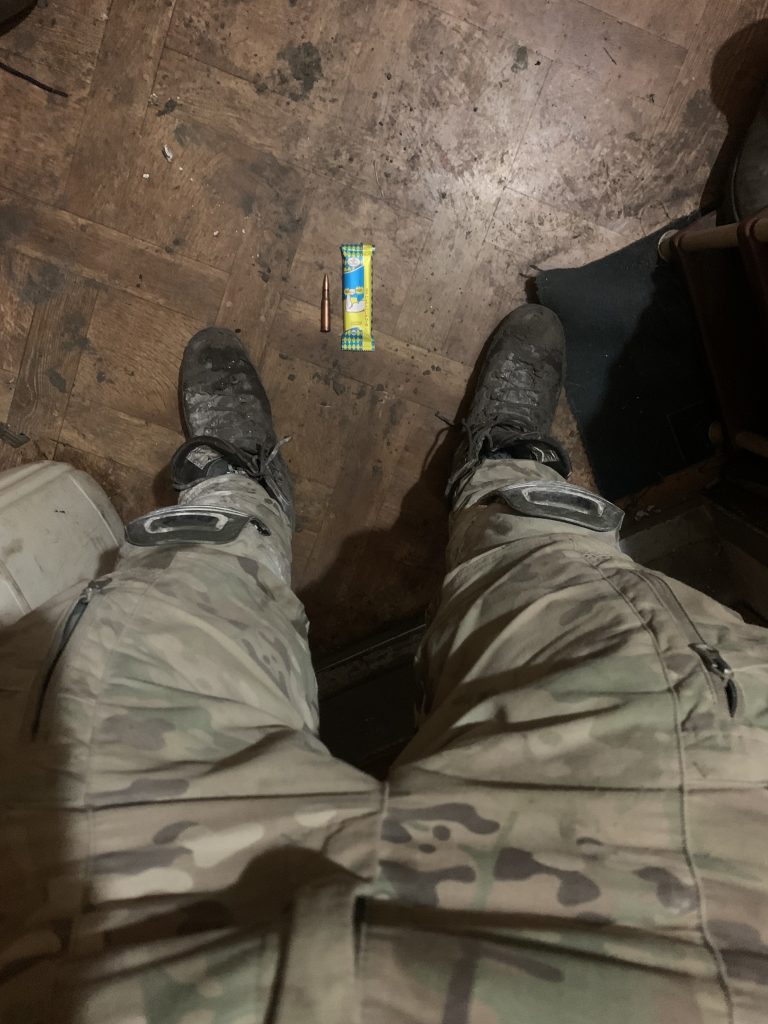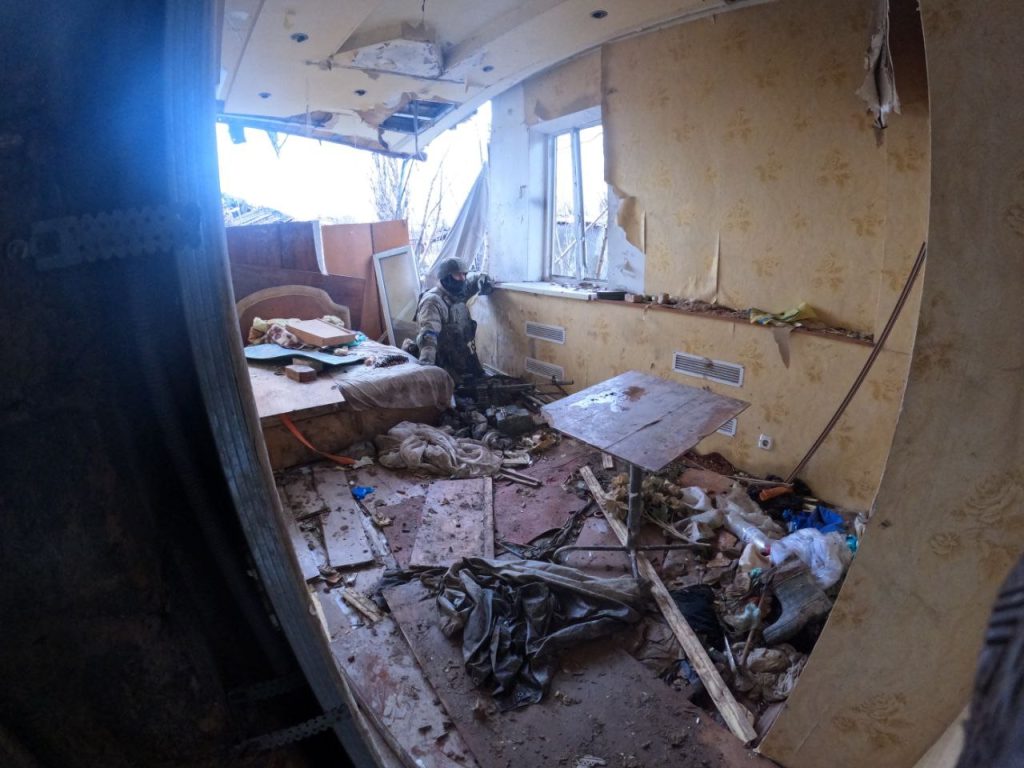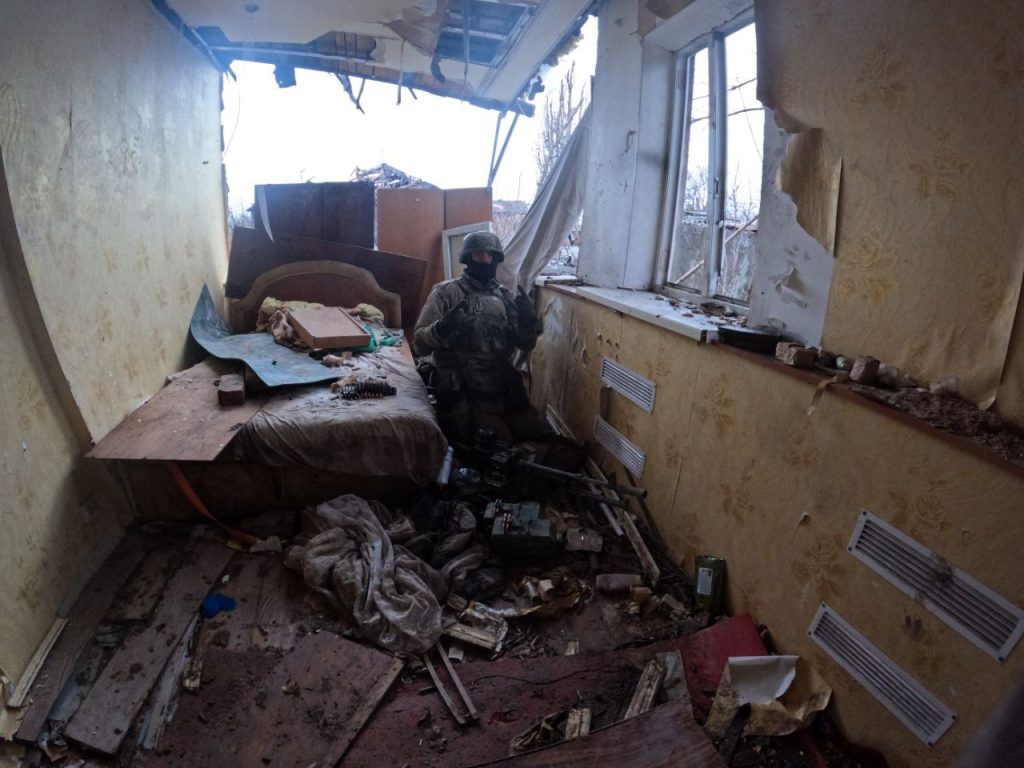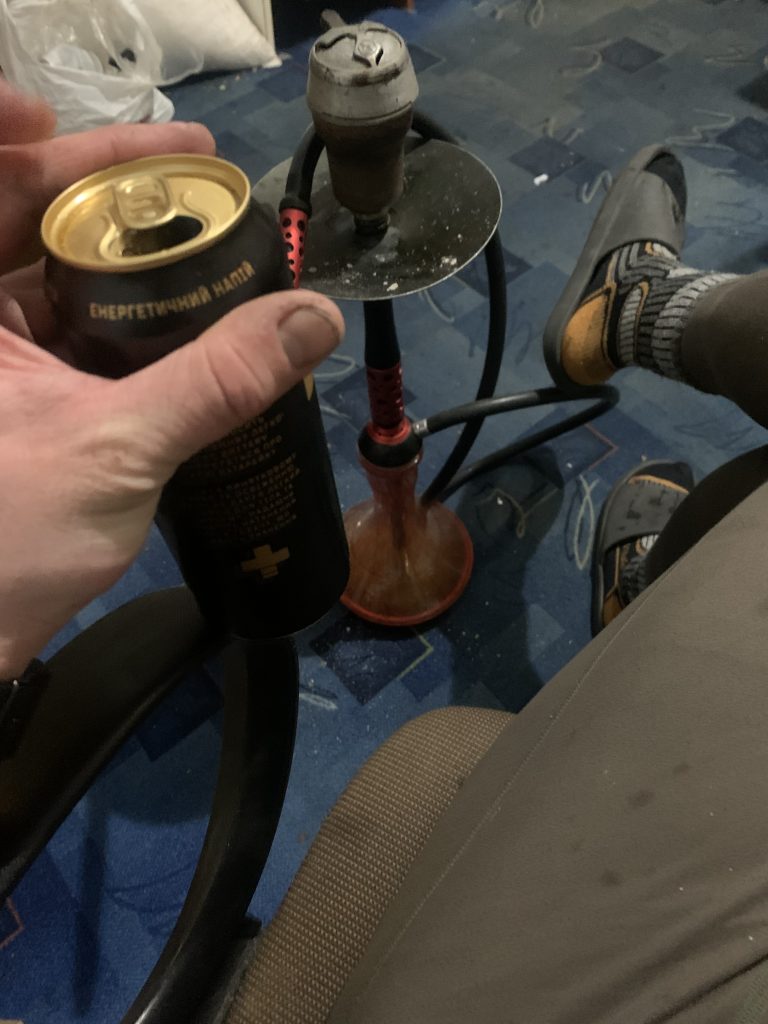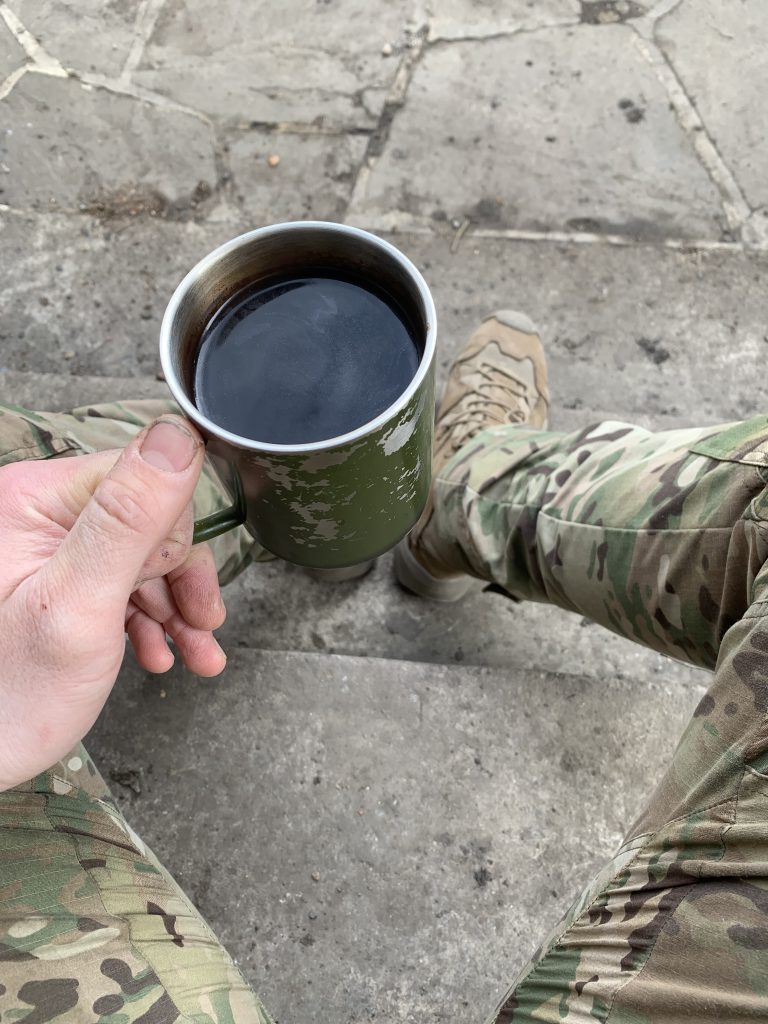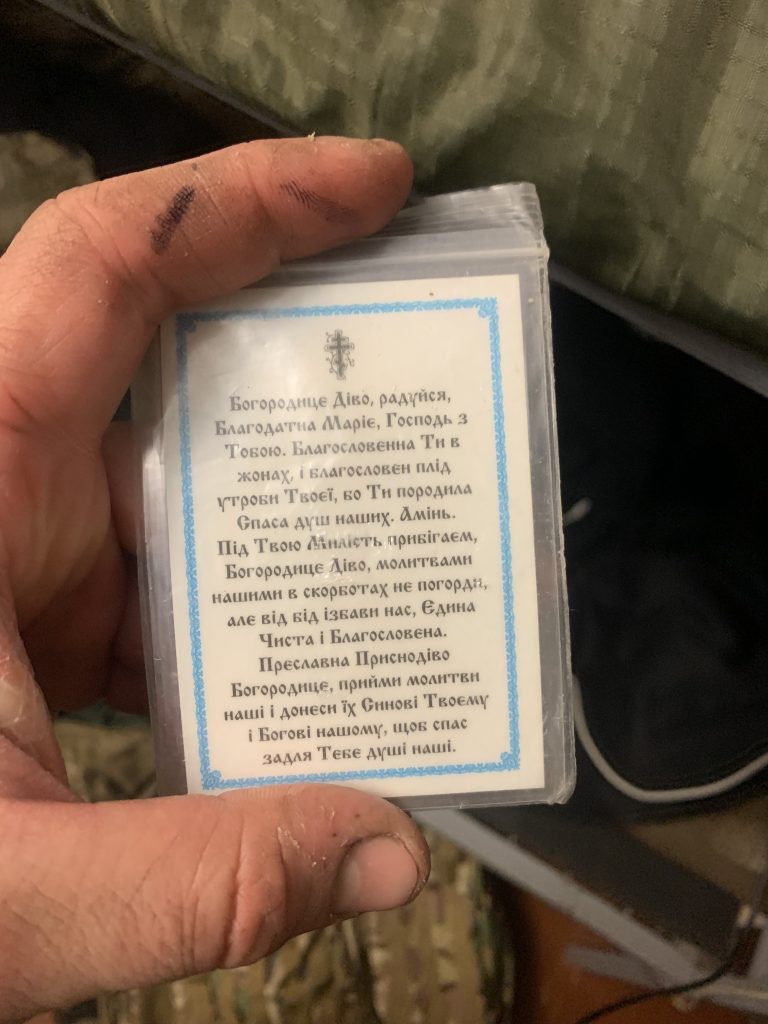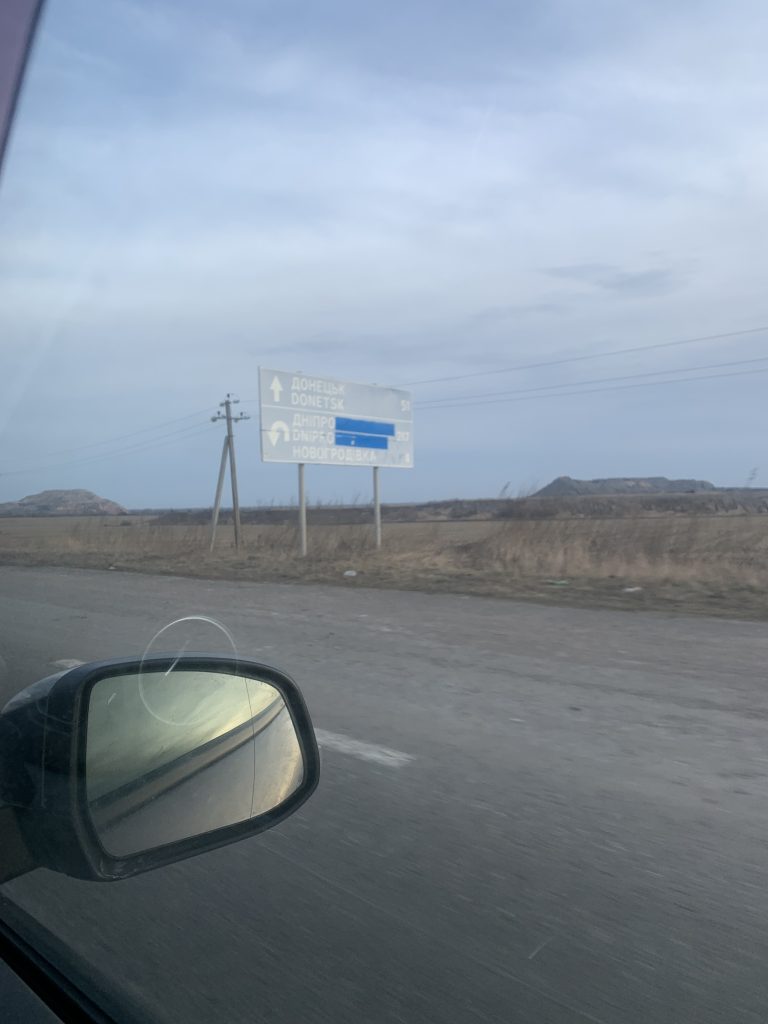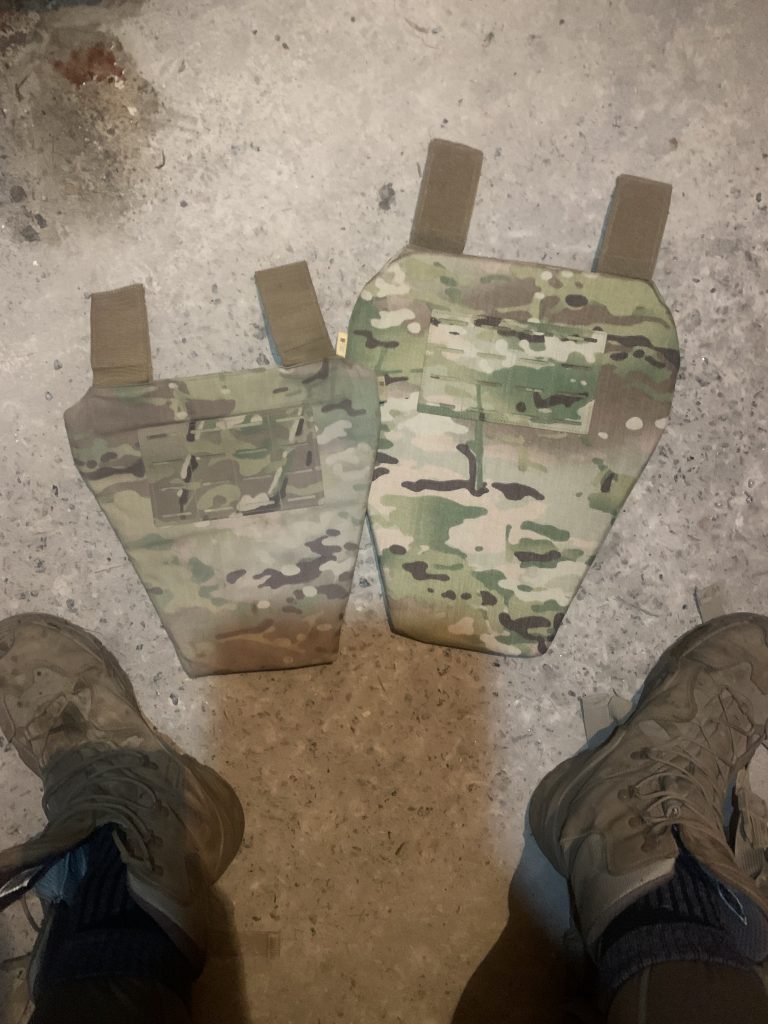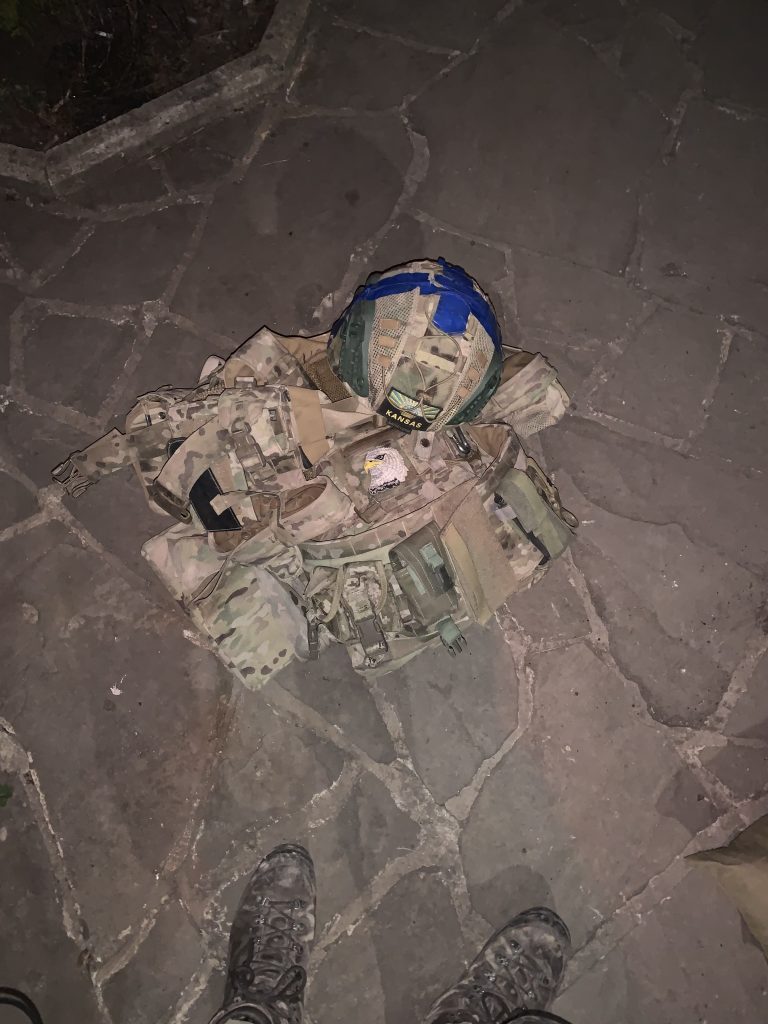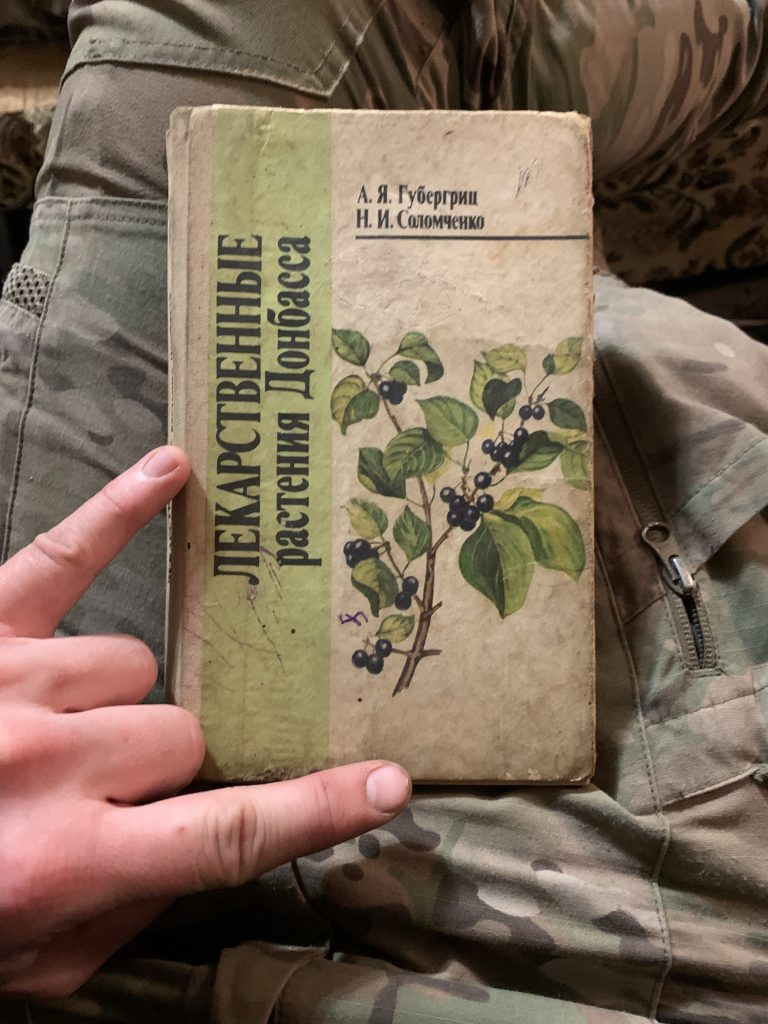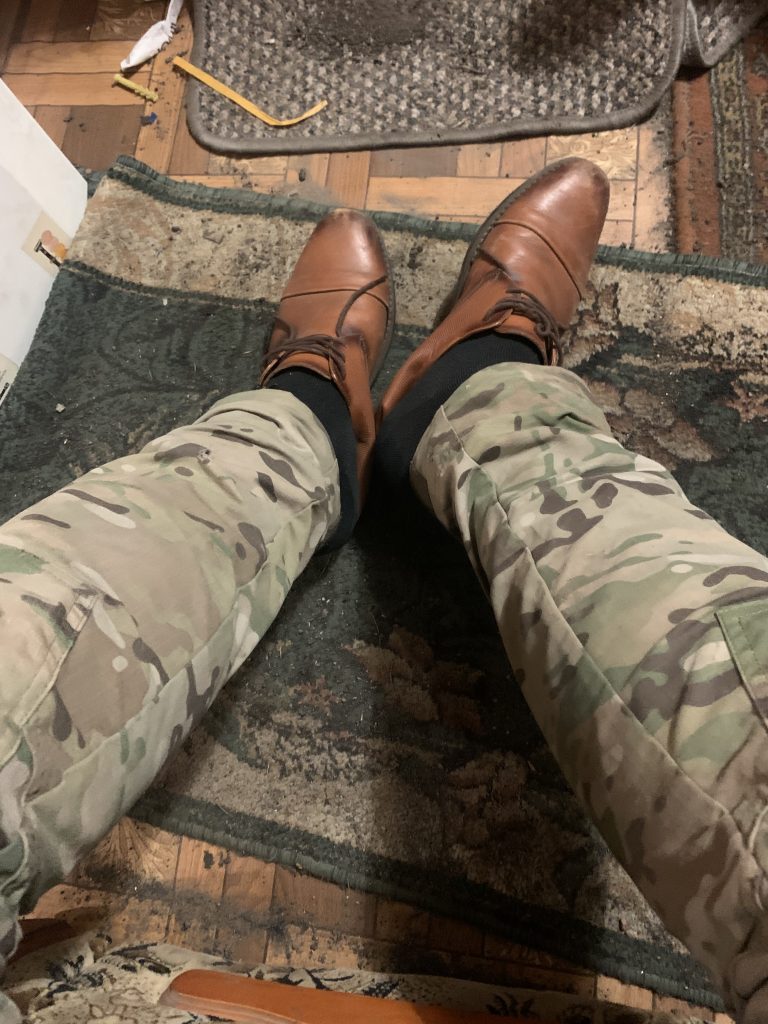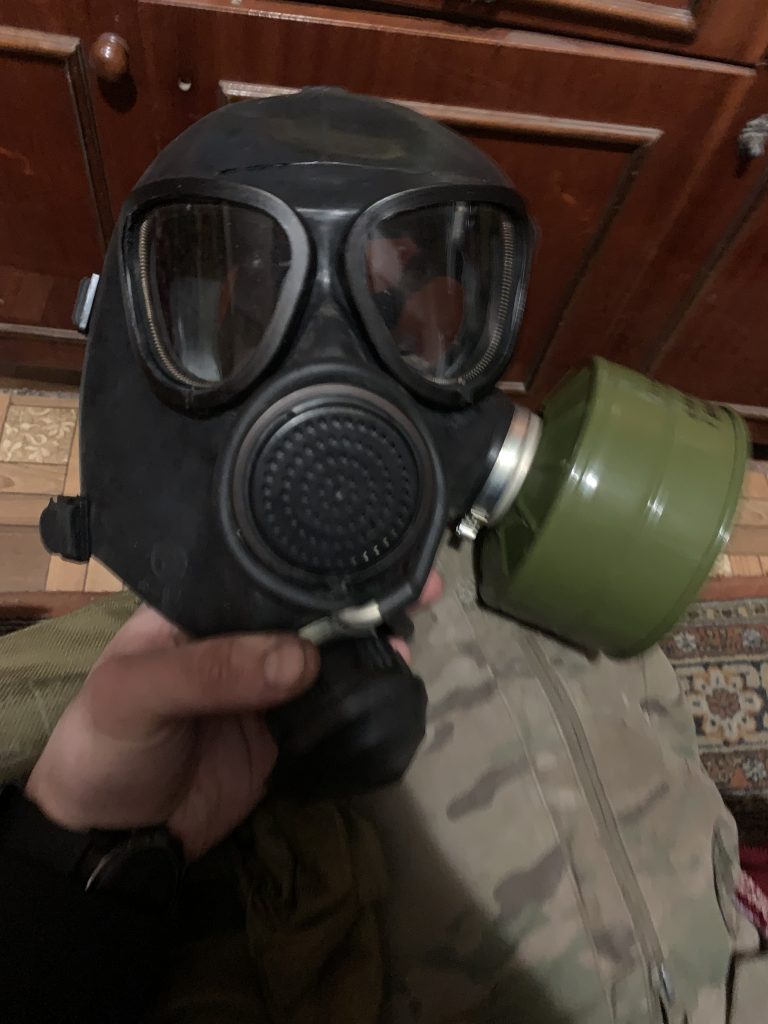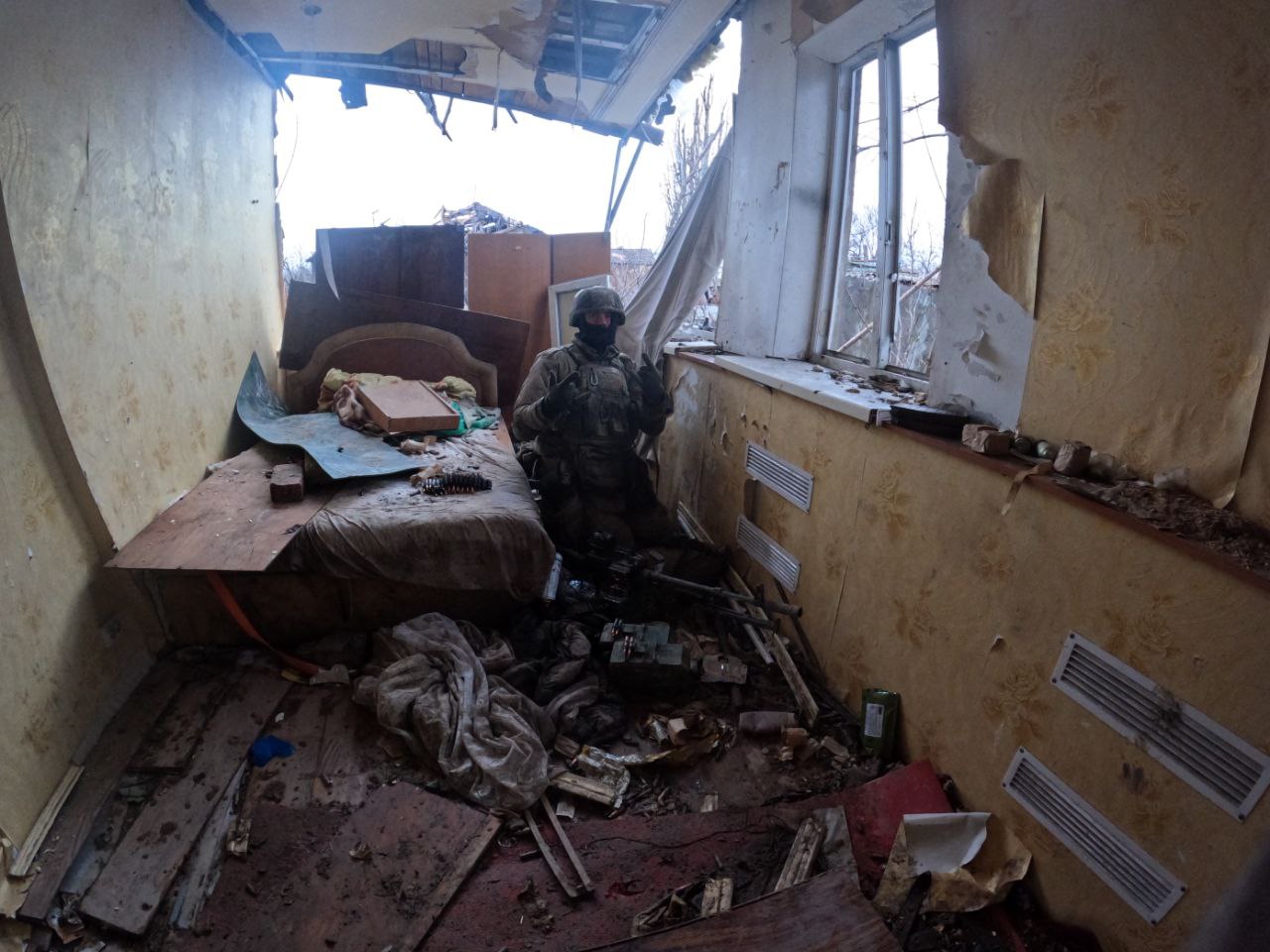
The Russo-Ukrainian War is often described as one of the most documented wars in history. As the battles continue, the war’s iconography is constantly expanding with images of Ukrainian soldiers’ heroism, civilian resilience, and the atrocities committed by the Russian army. Numerous professional photographers have turned their lenses toward the war and its consequences, producing photographs that circulate widely on social media, appear in the news, and are exhibited in galleries and museums. Alongside this professional imagery, however, exists a massive yet often hidden and overlooked body of amateur snapshots taken by soldiers themselves. These snaps are stored in private photo galleries, shared on social media and sent to close ones through personal messaging apps. But what is remarkable about these images?
Professional attitudes toward mobile photography still sometimes carry tones of arrogance. Unlike “traditional” ones, mobile images are often perceived through the prefix “semi-“: “semi-real,” “semi-serious” – “semi-photography.” Such detachment, on the one hand, may stem from the digital nature of such snapshots, which are deeply integrated into networked systems and smartphones’ architecture, making the photograph feel less “tangible” compared to traditional printed photography. On the other hand, it is the mobile photography’s inclination toward the banal. By radically democratizing the photographic process and making it instantaneous, the mobile phone camera has diminished the exceptional nature of the photographic moment, placing even the most trivial moments of everyday life under the constant photographic potentiality. If the Kodak Brownie camera made photography accessible to the wider amateur public at the beginning of the XXth century, the development of smartphones and social media marked another significant turning moment of transforming our relationship with photography even more profoundly, deeply integrating it into everyday life and communication.
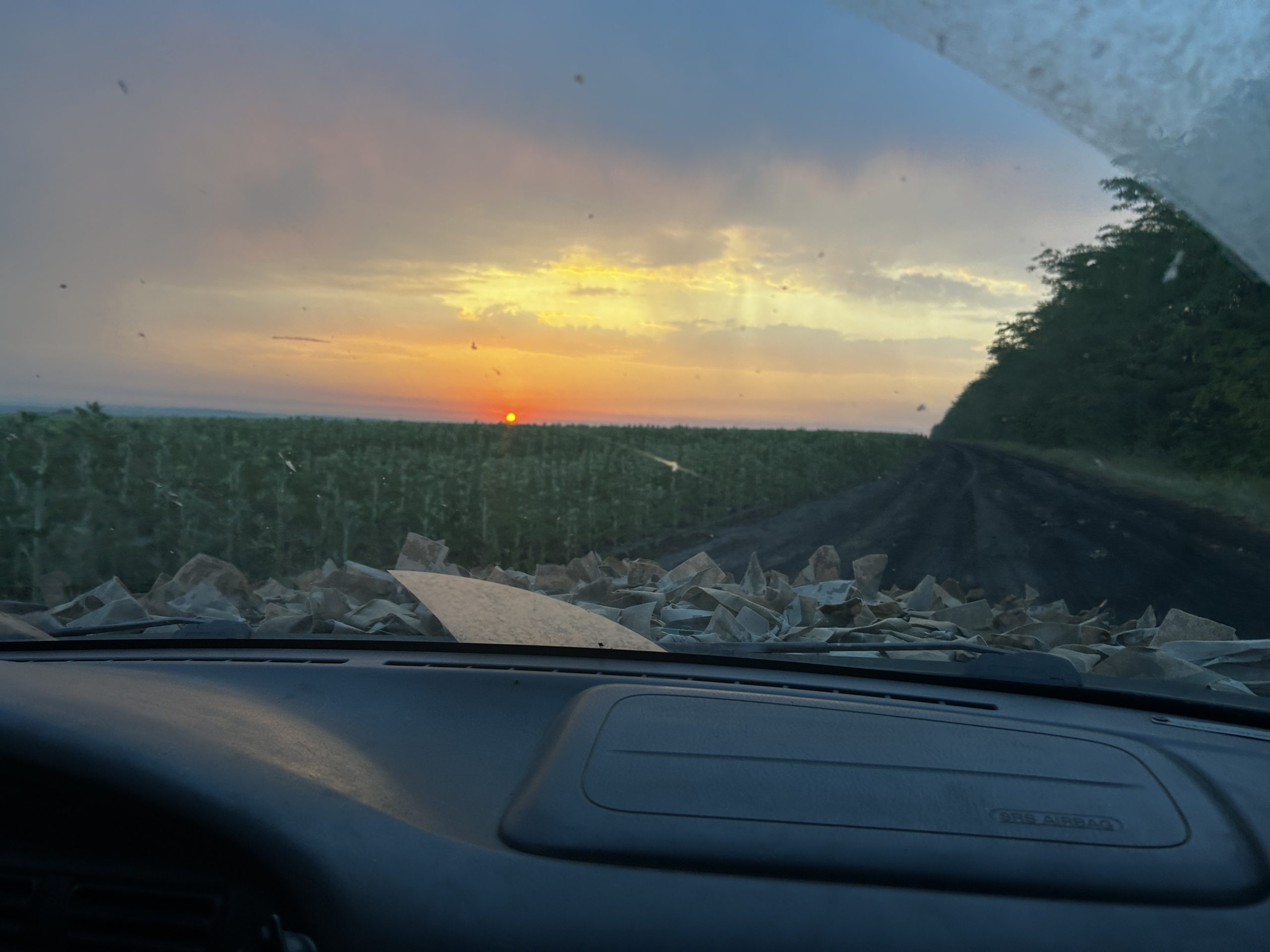
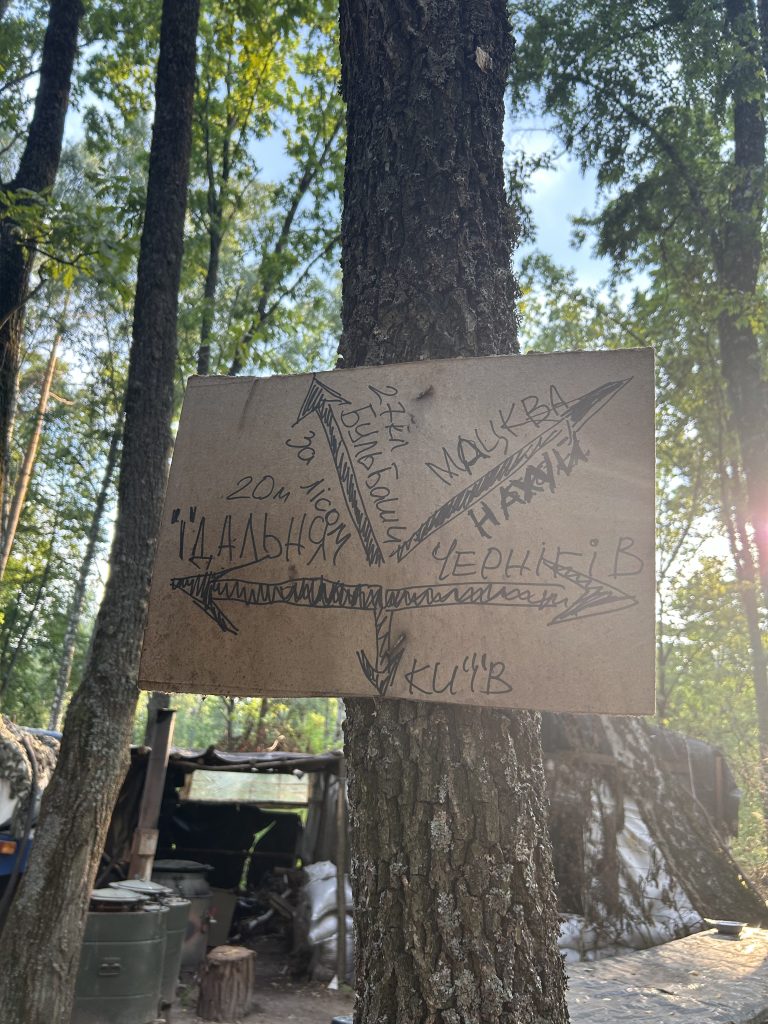
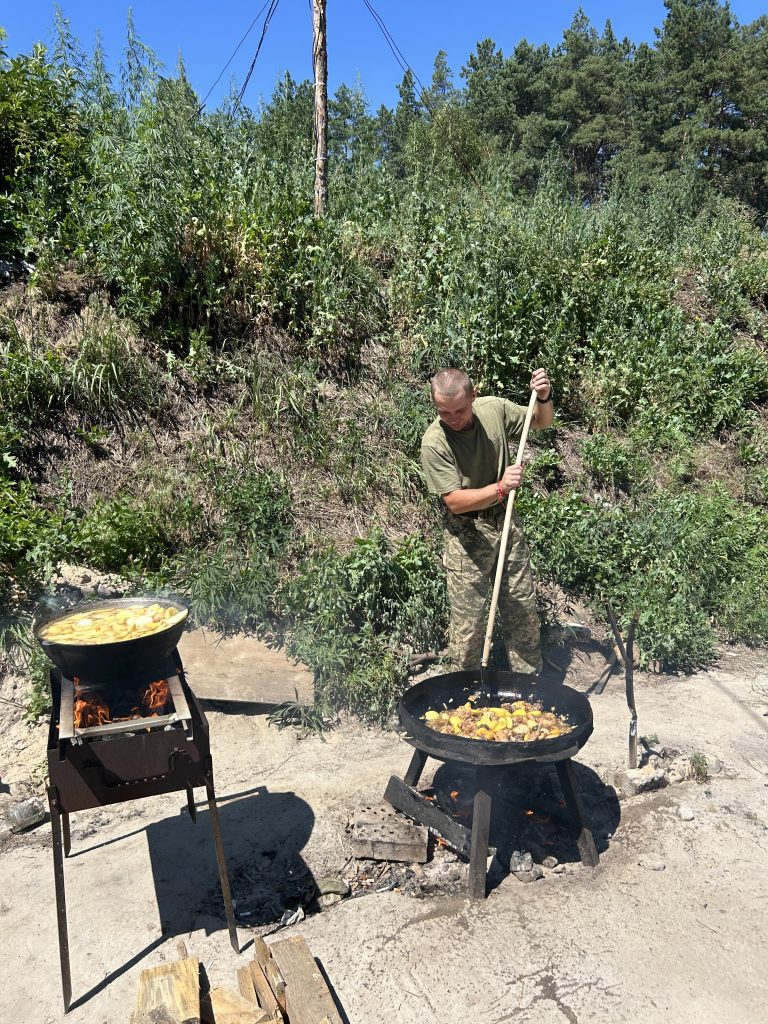
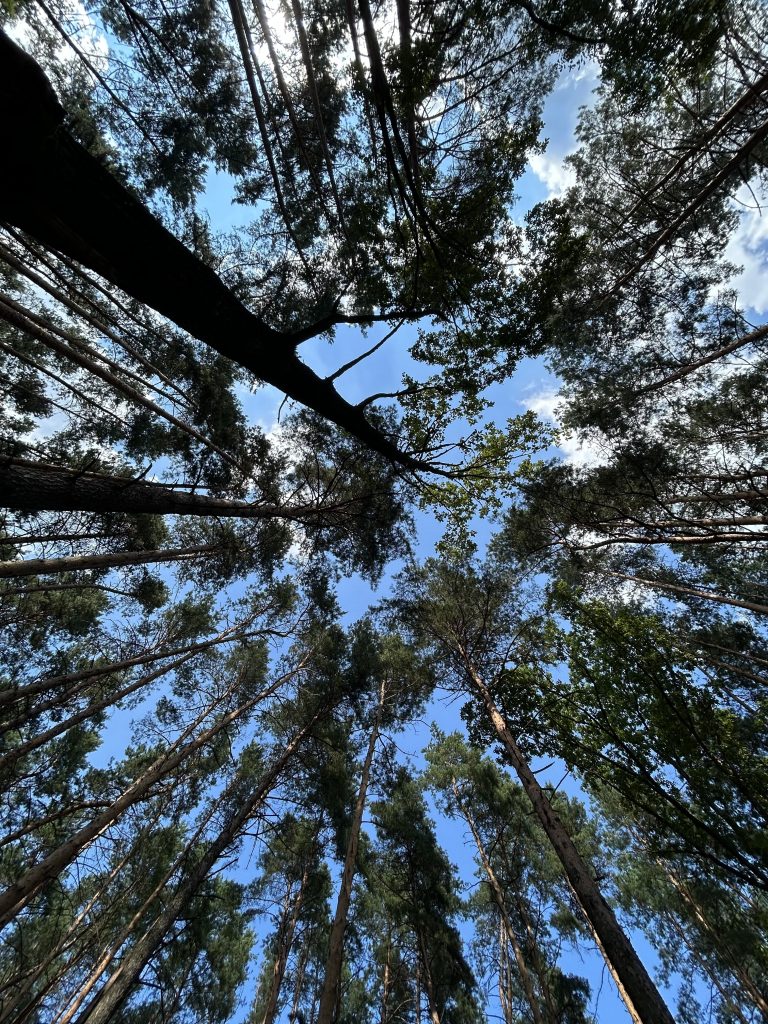
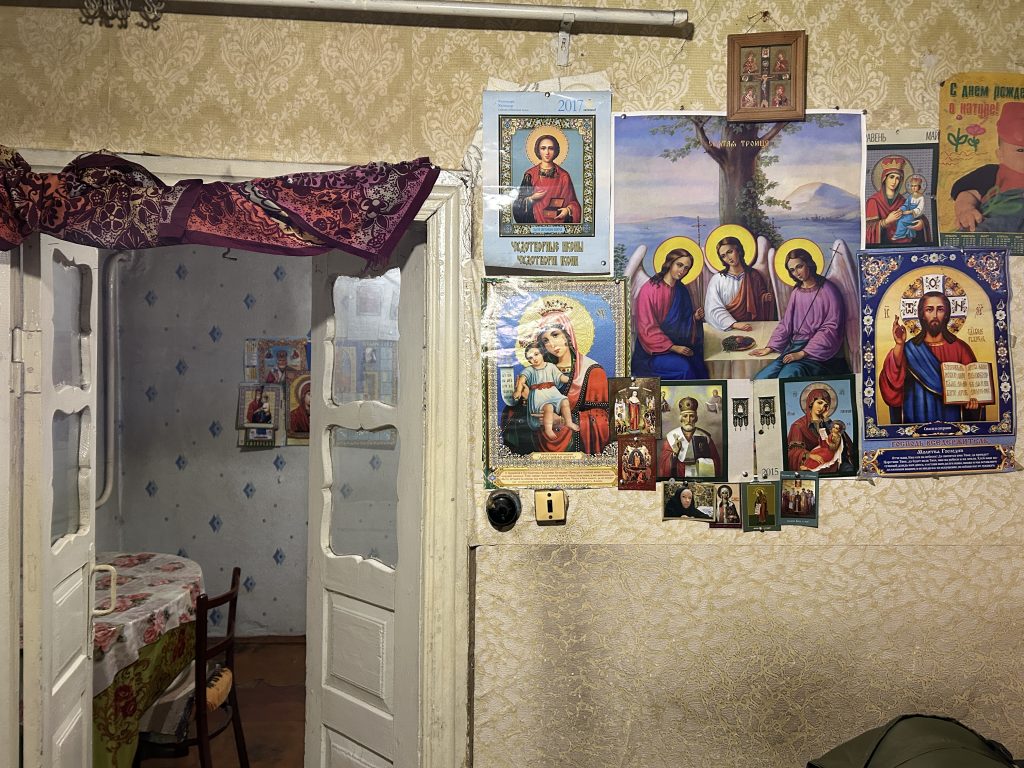
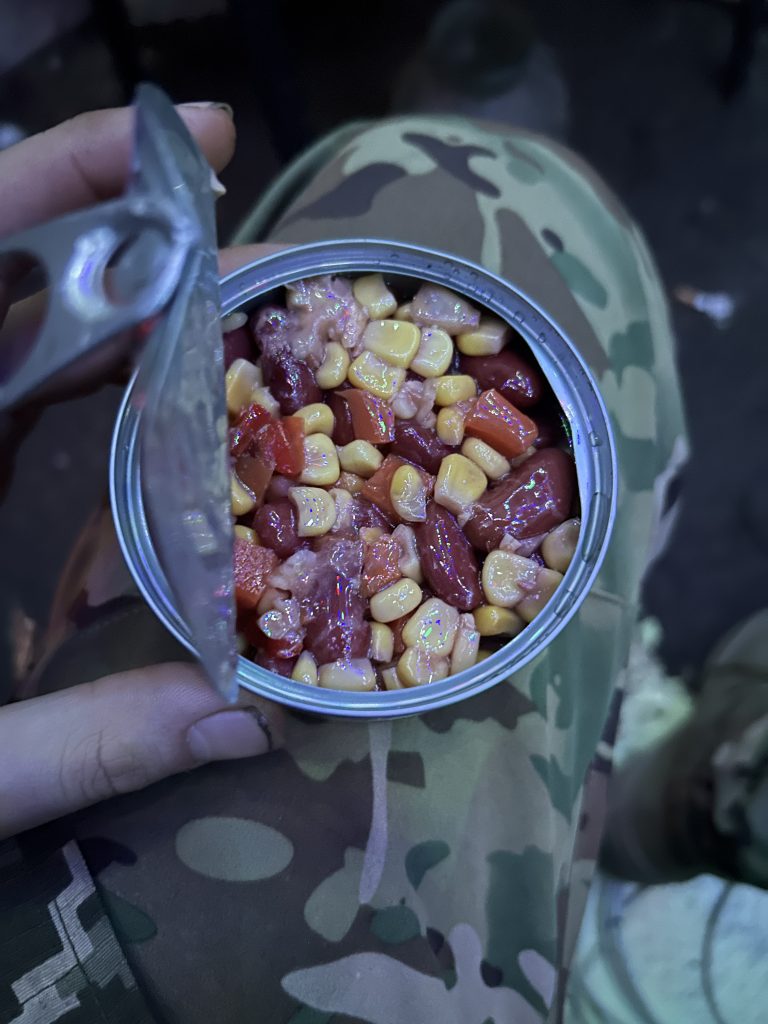
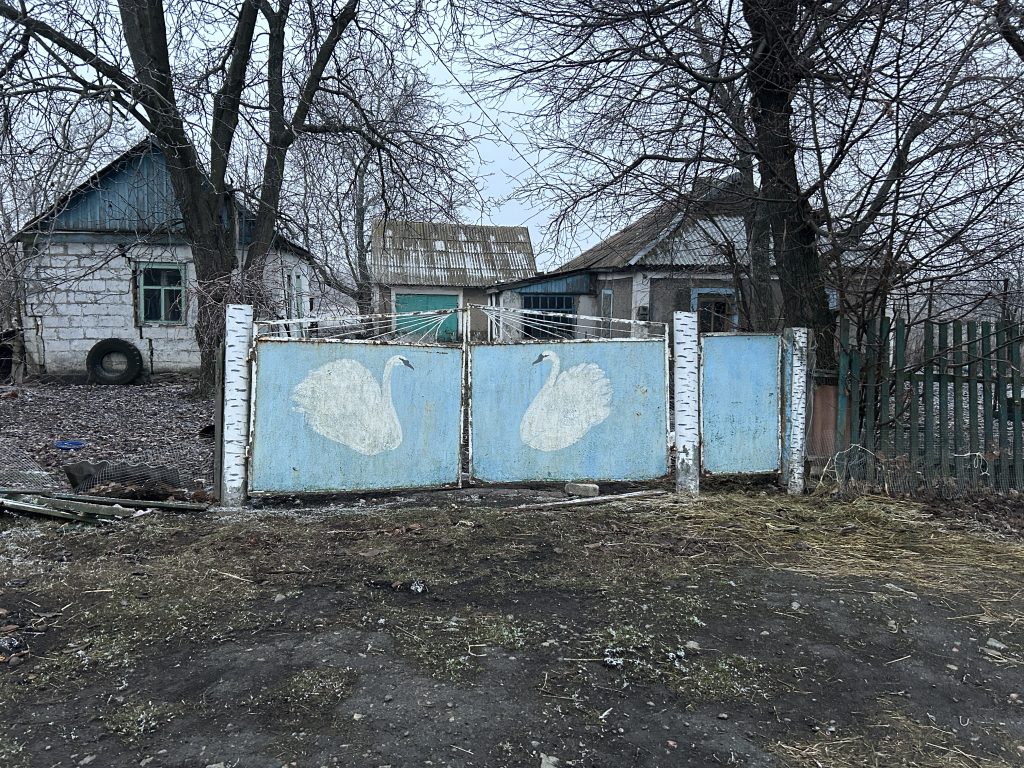
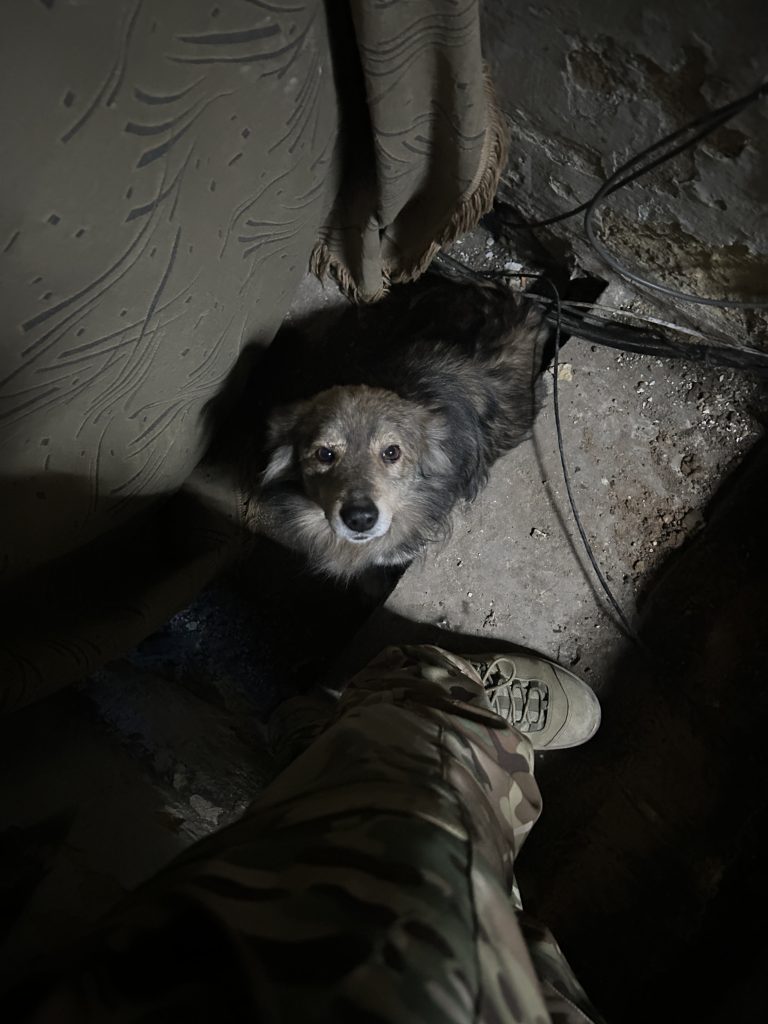
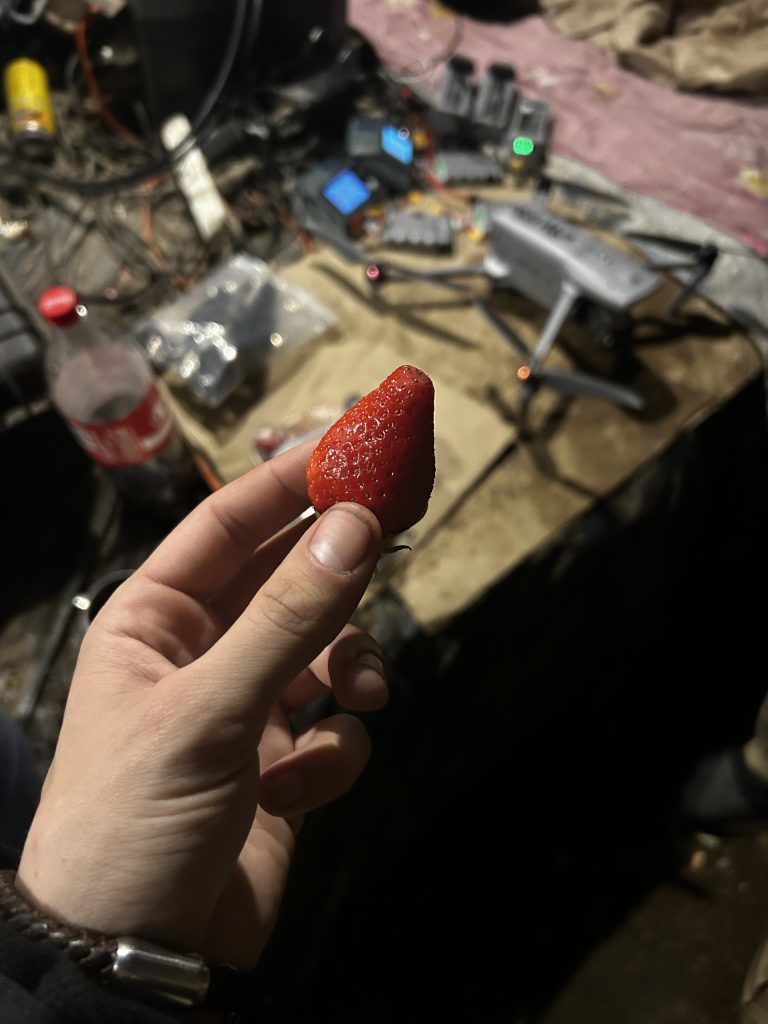
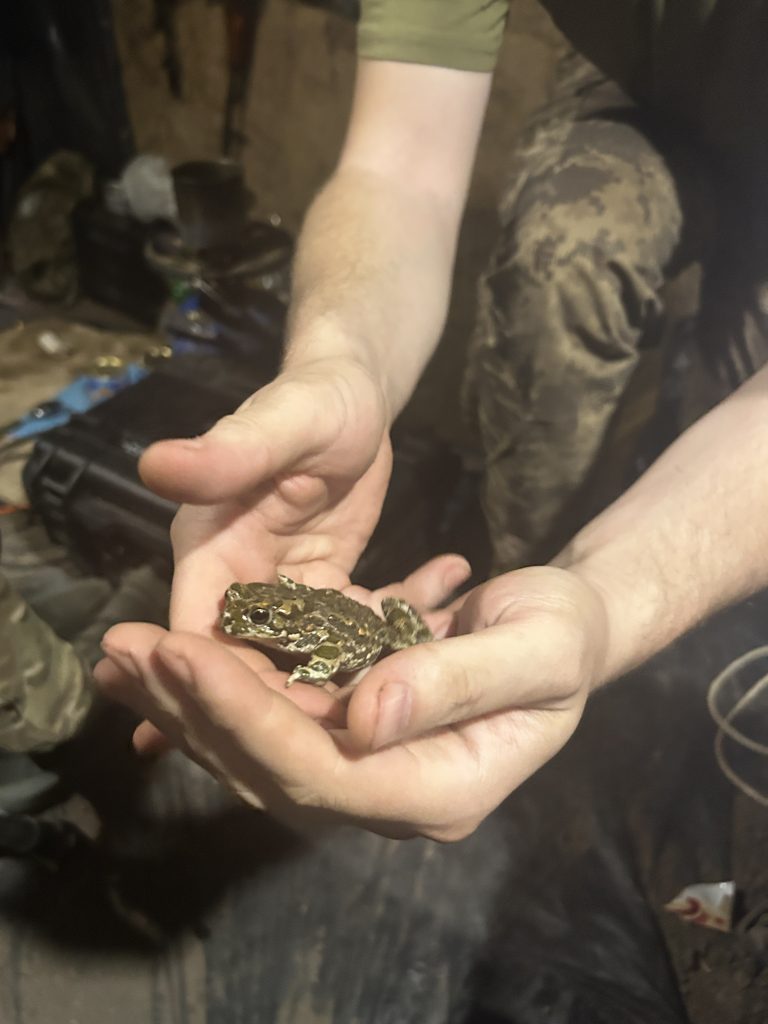
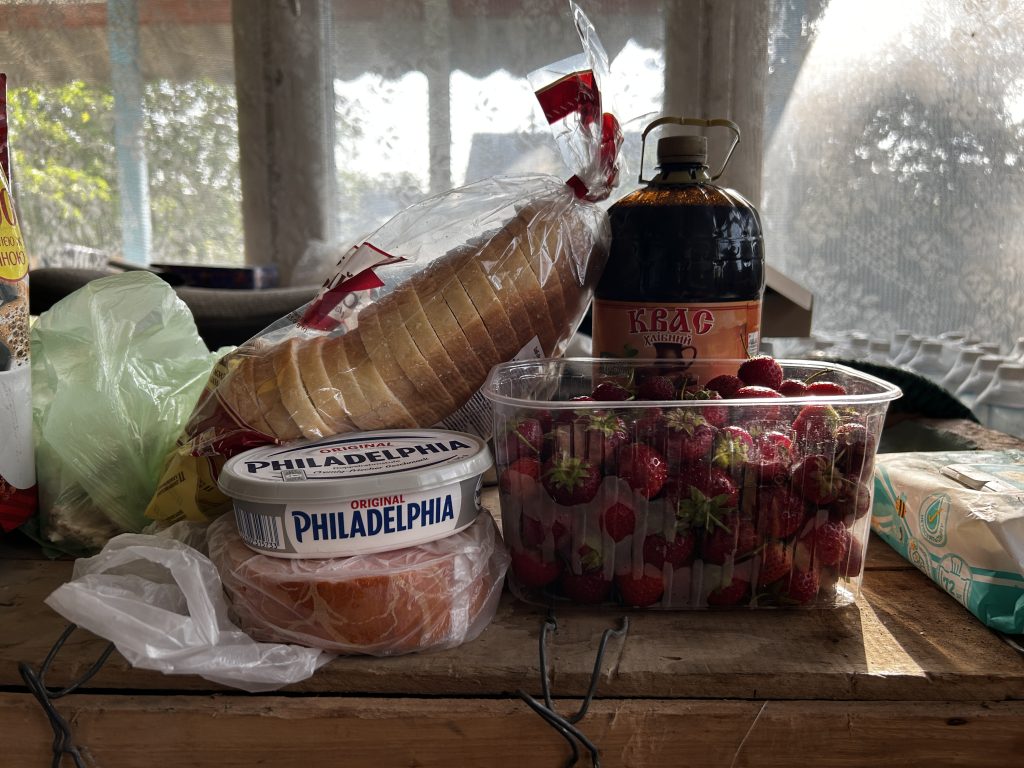
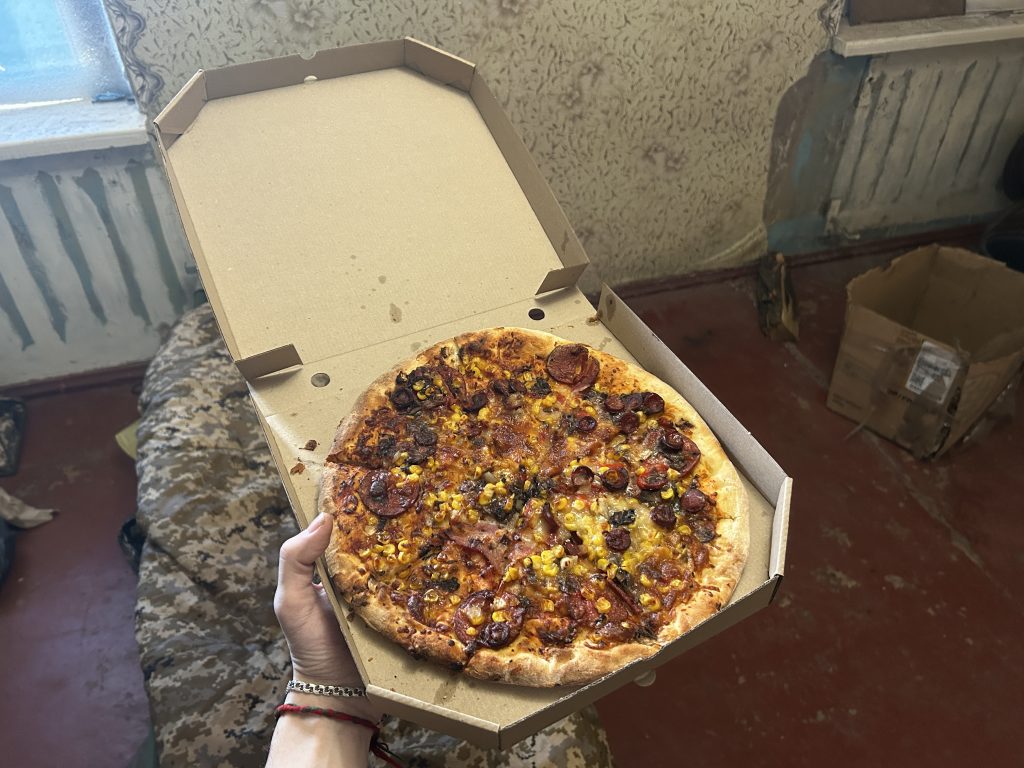
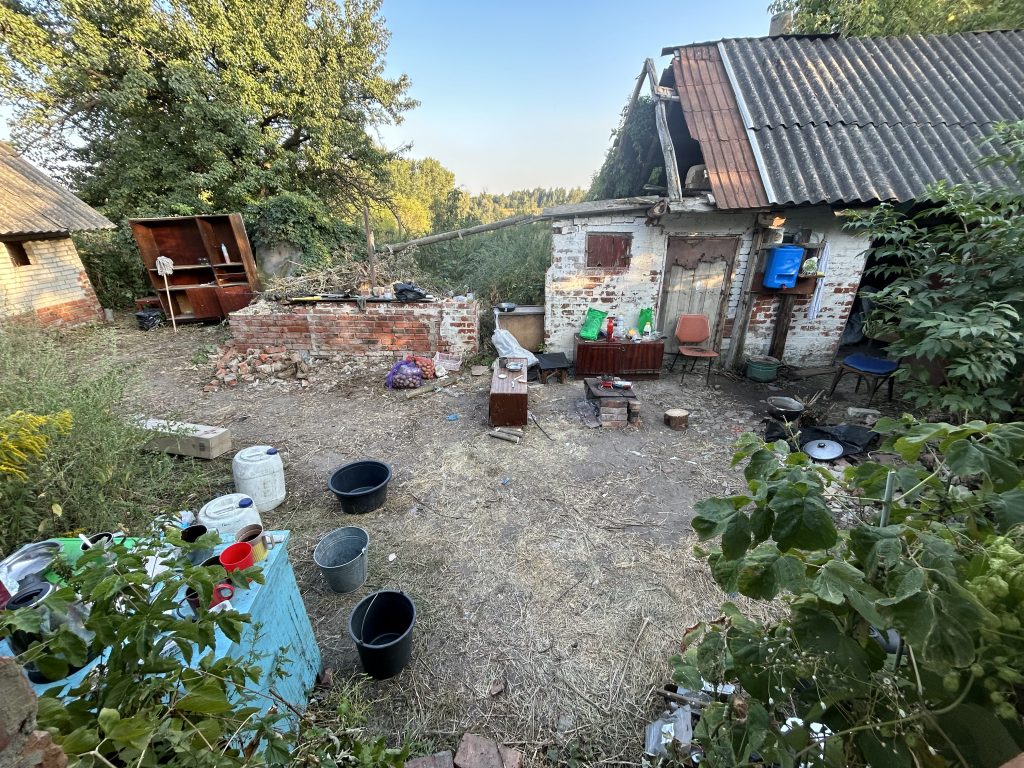
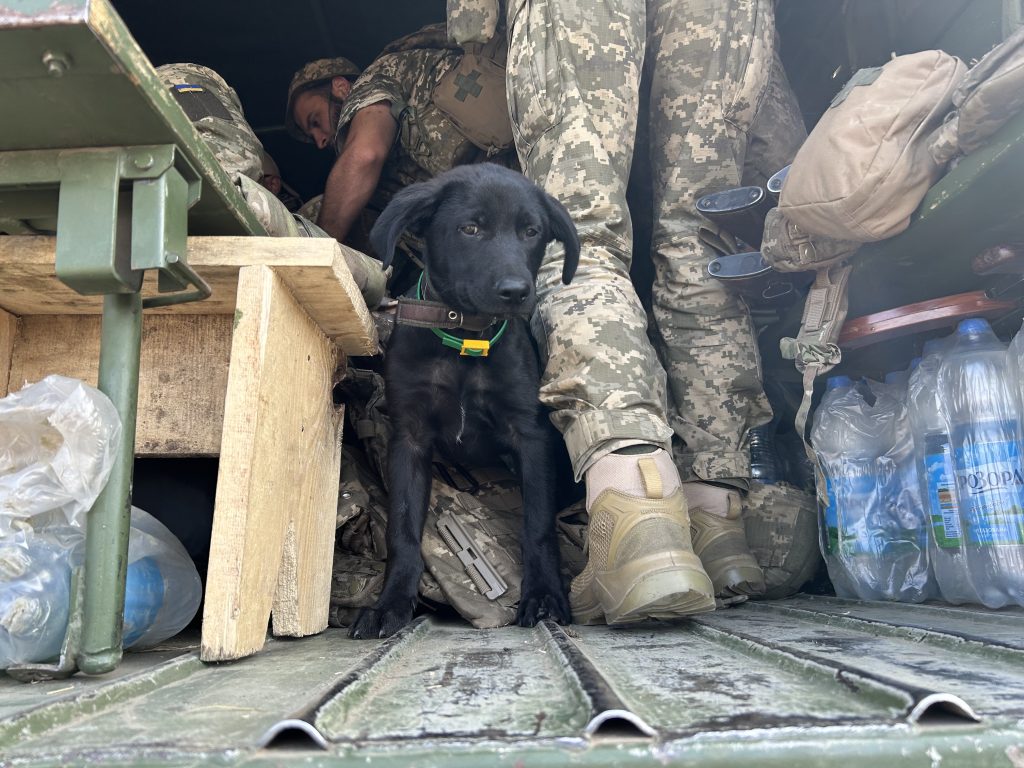
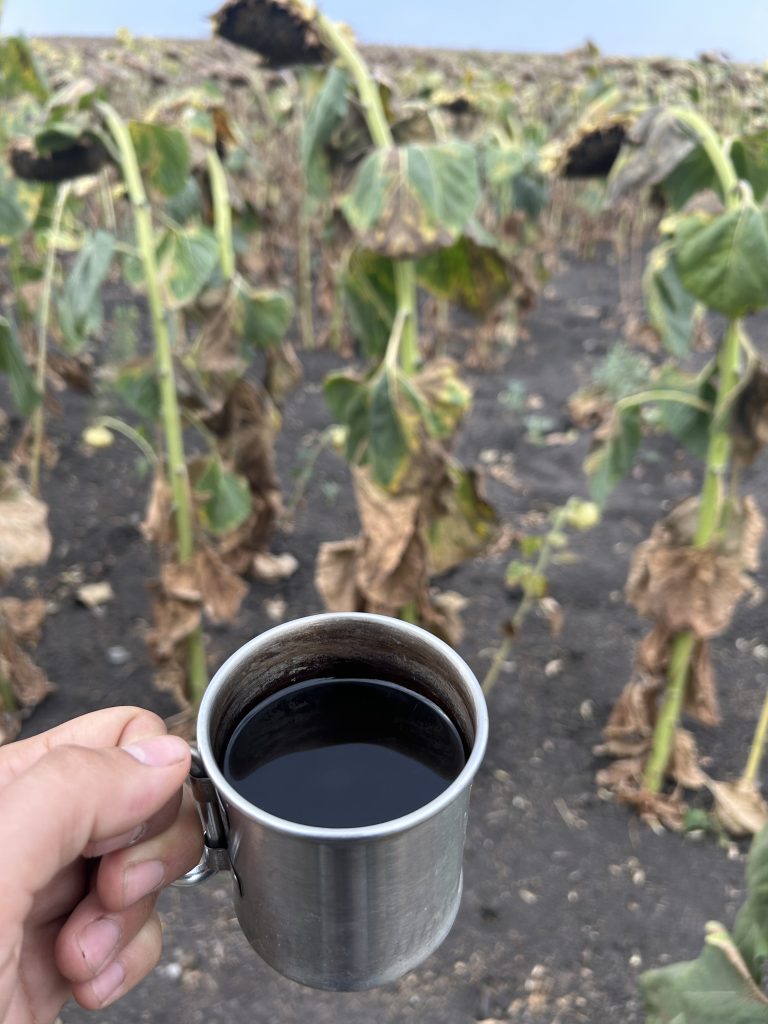
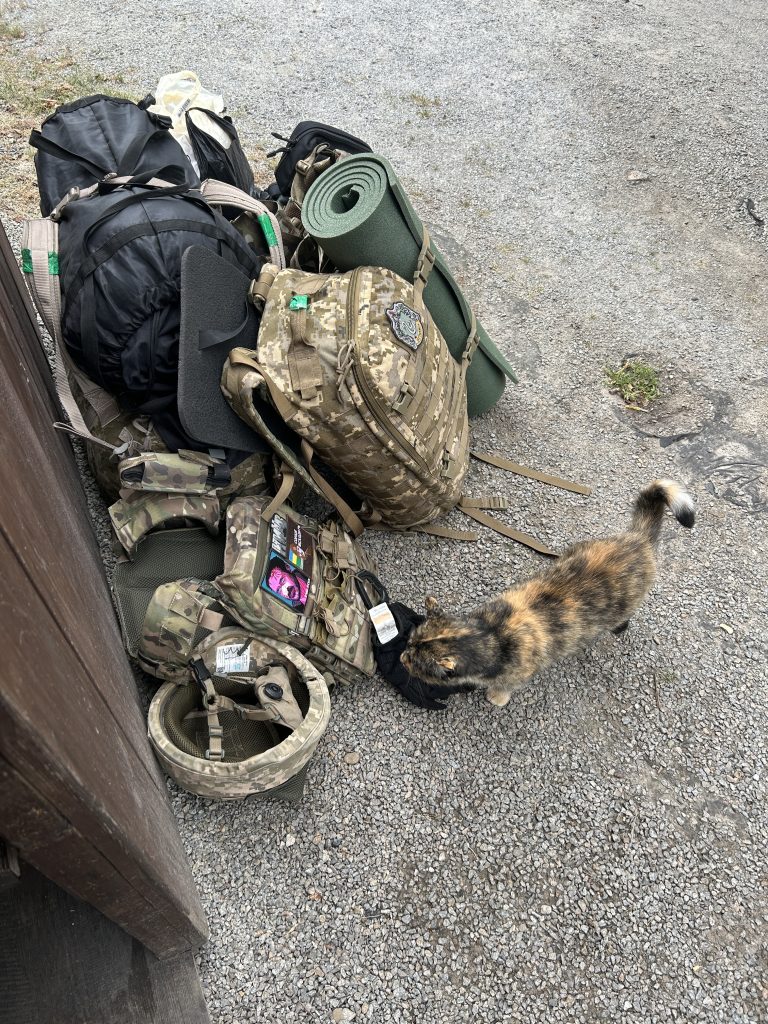
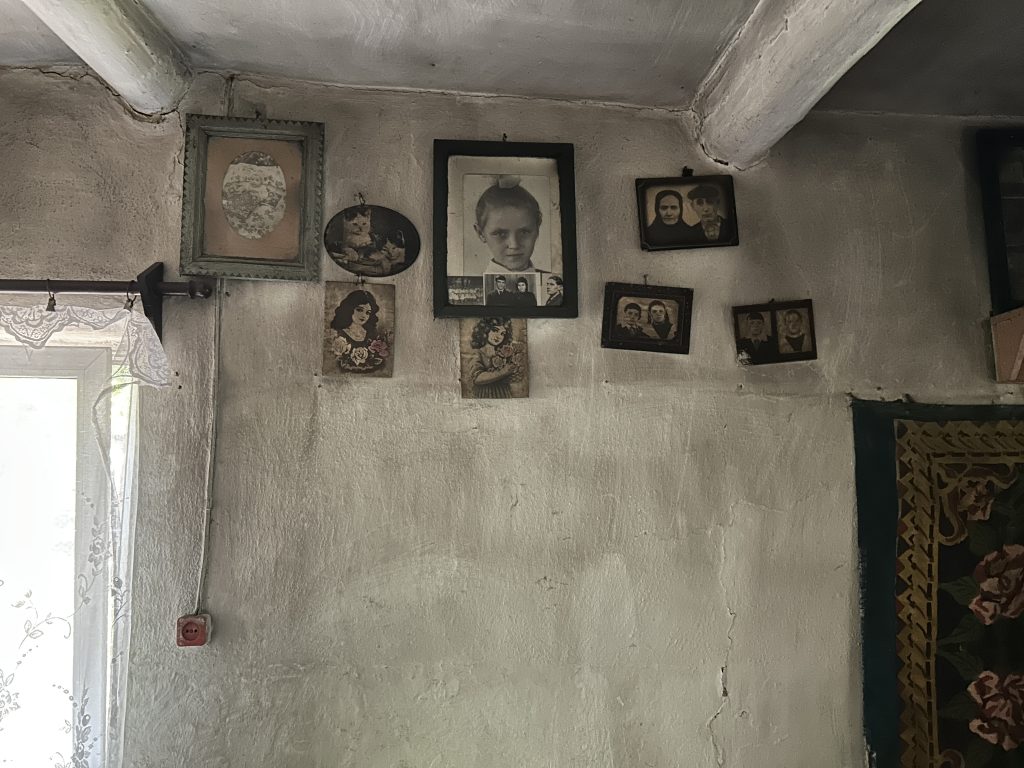
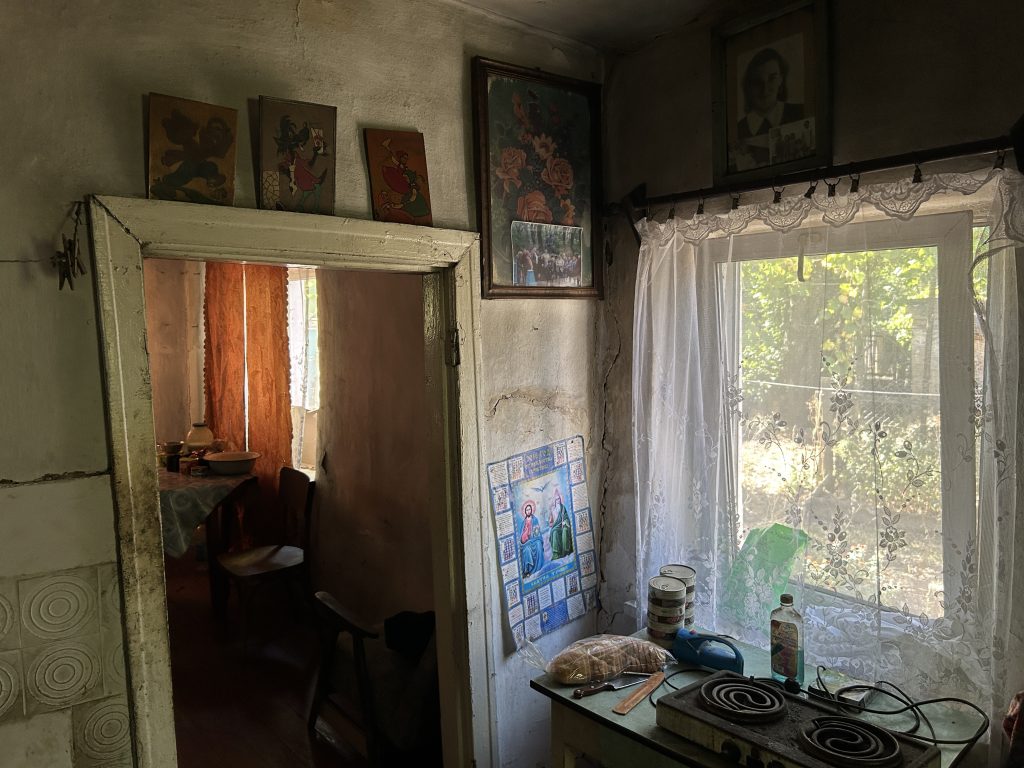
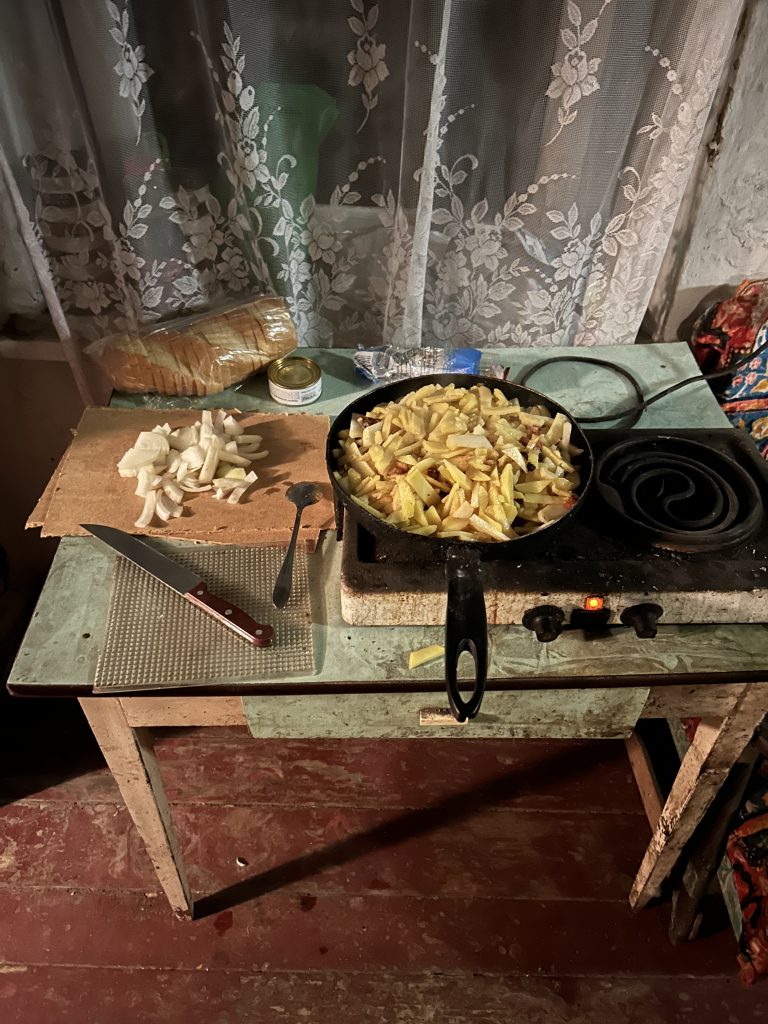
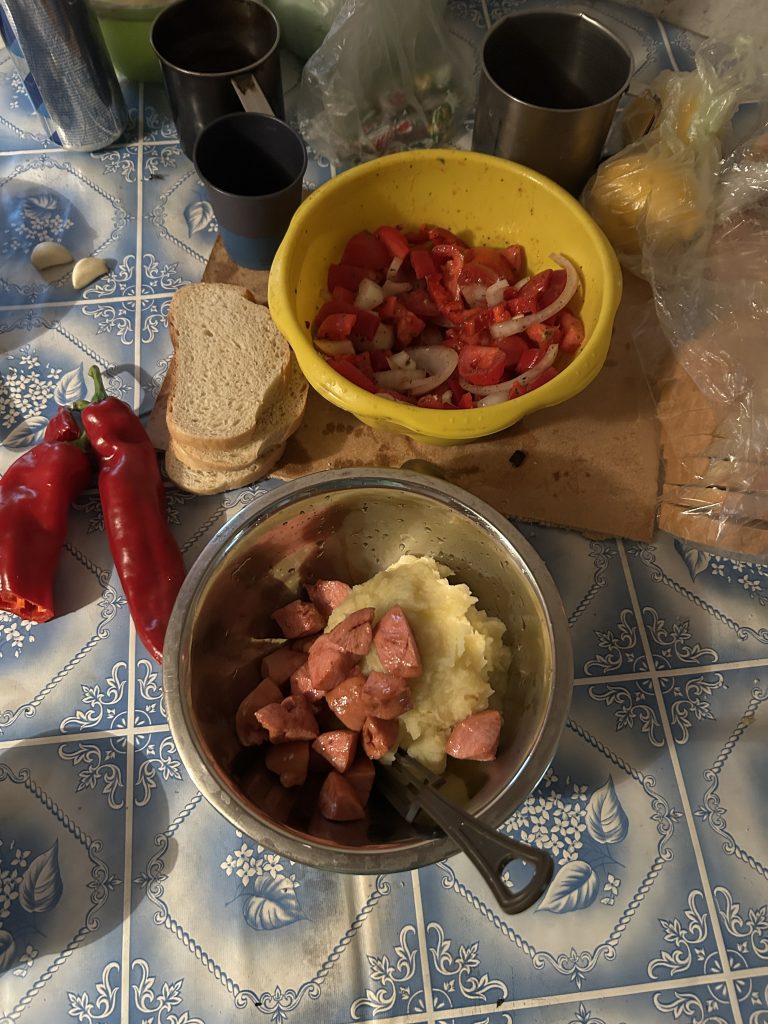
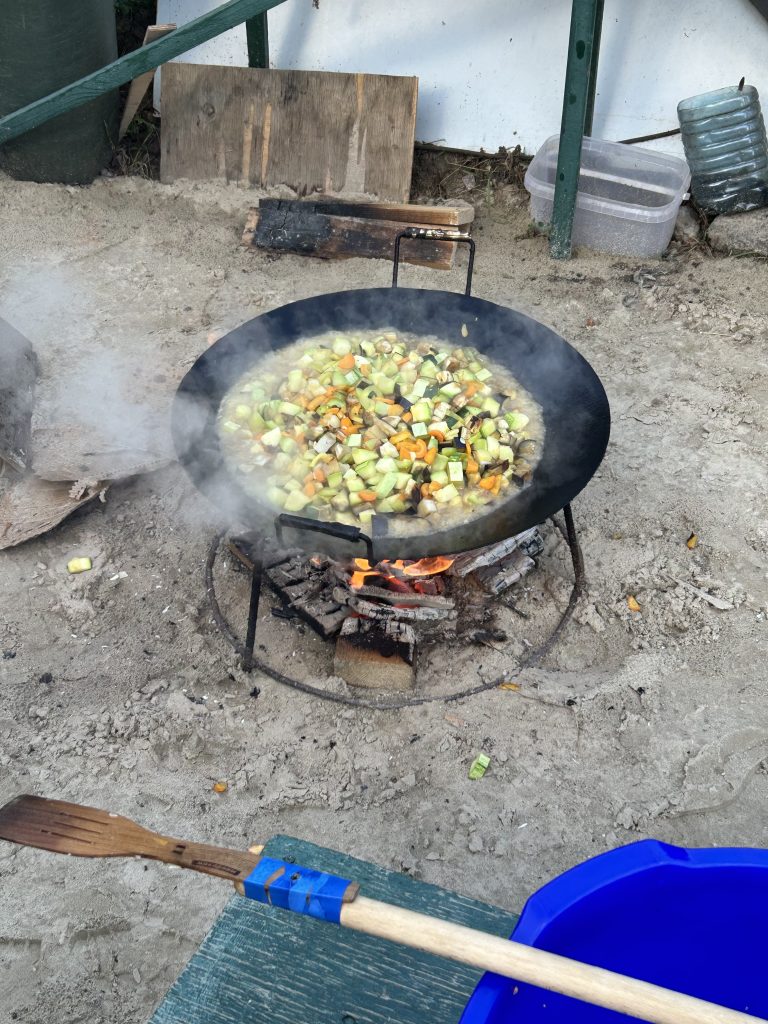
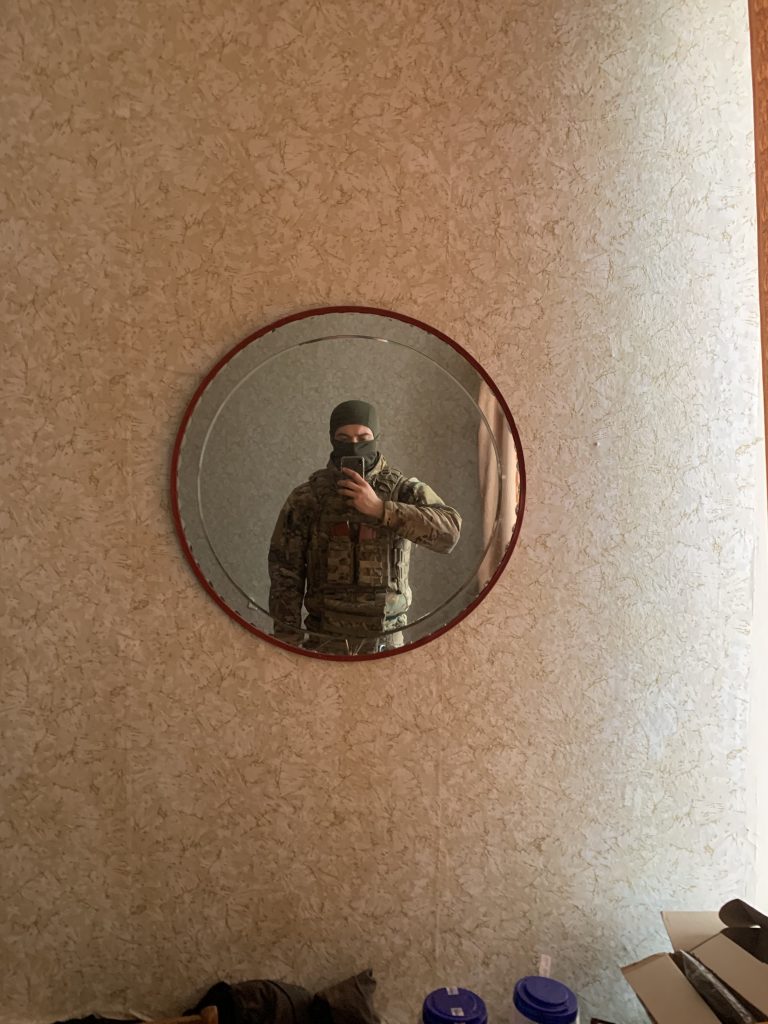
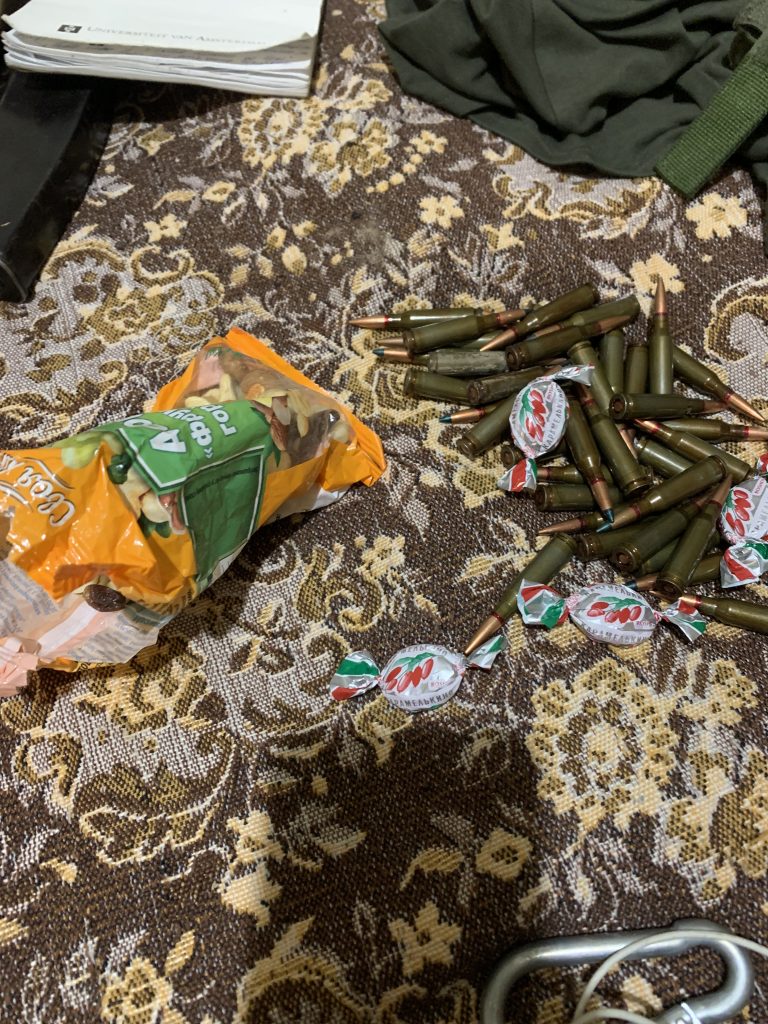
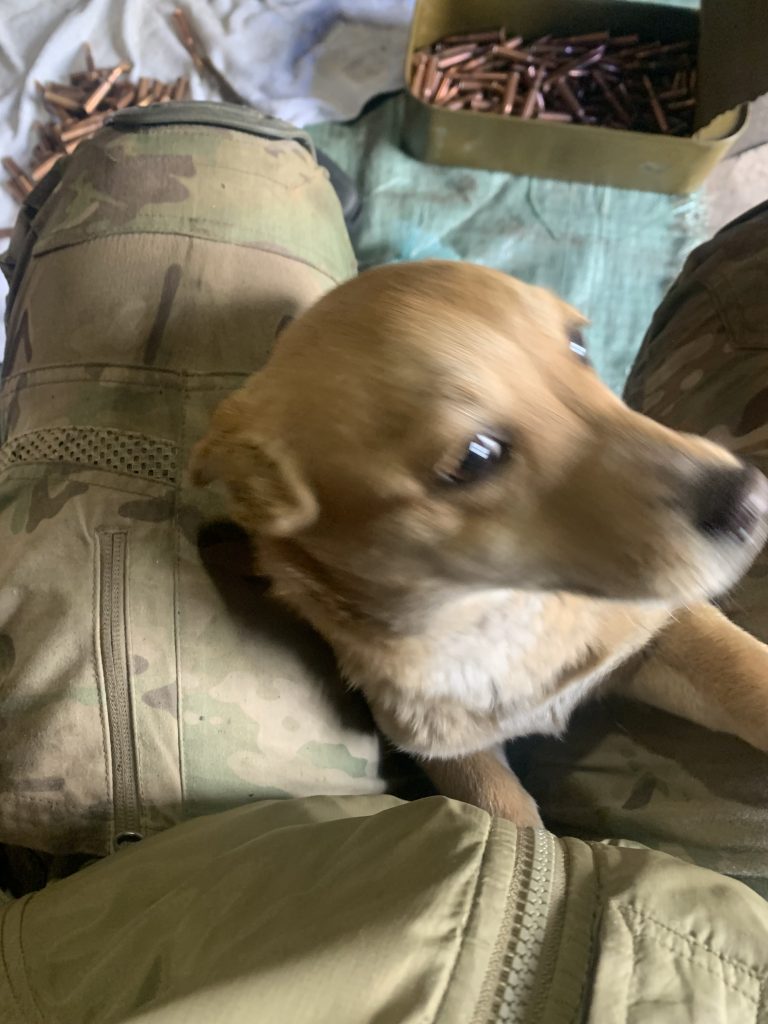
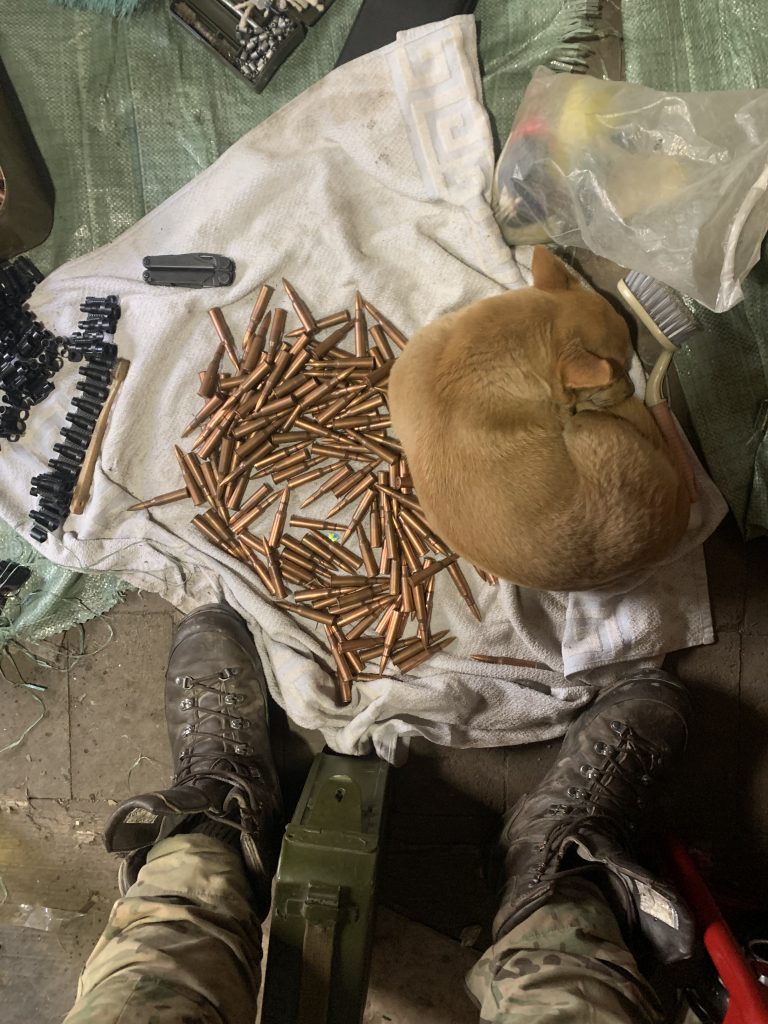
Many soldiers, too, take pictures with their phones. Their snapshots, just like civilian ones (it is important to note that this distinction, just as the distinction between amateur and professional photography, is purely arbitrary and serves, rather, as a rough guide to convey an idea), tend to be repetitive and depict the mundane aspects of everyday life: selfies, group portraits, photographs of food, daily routines, moments of leisure, animals, sunsets, and so on. In this sense, its photographic form is rarely exceptional. At the same time, what makes military snapshots distinctive is the existence of this banal photographic form within the non-banal, extreme environment of war [1]. So why should we have a closer look at military mobile snapshots? What can such photographs tell us? How should we, as researchers, approach them?
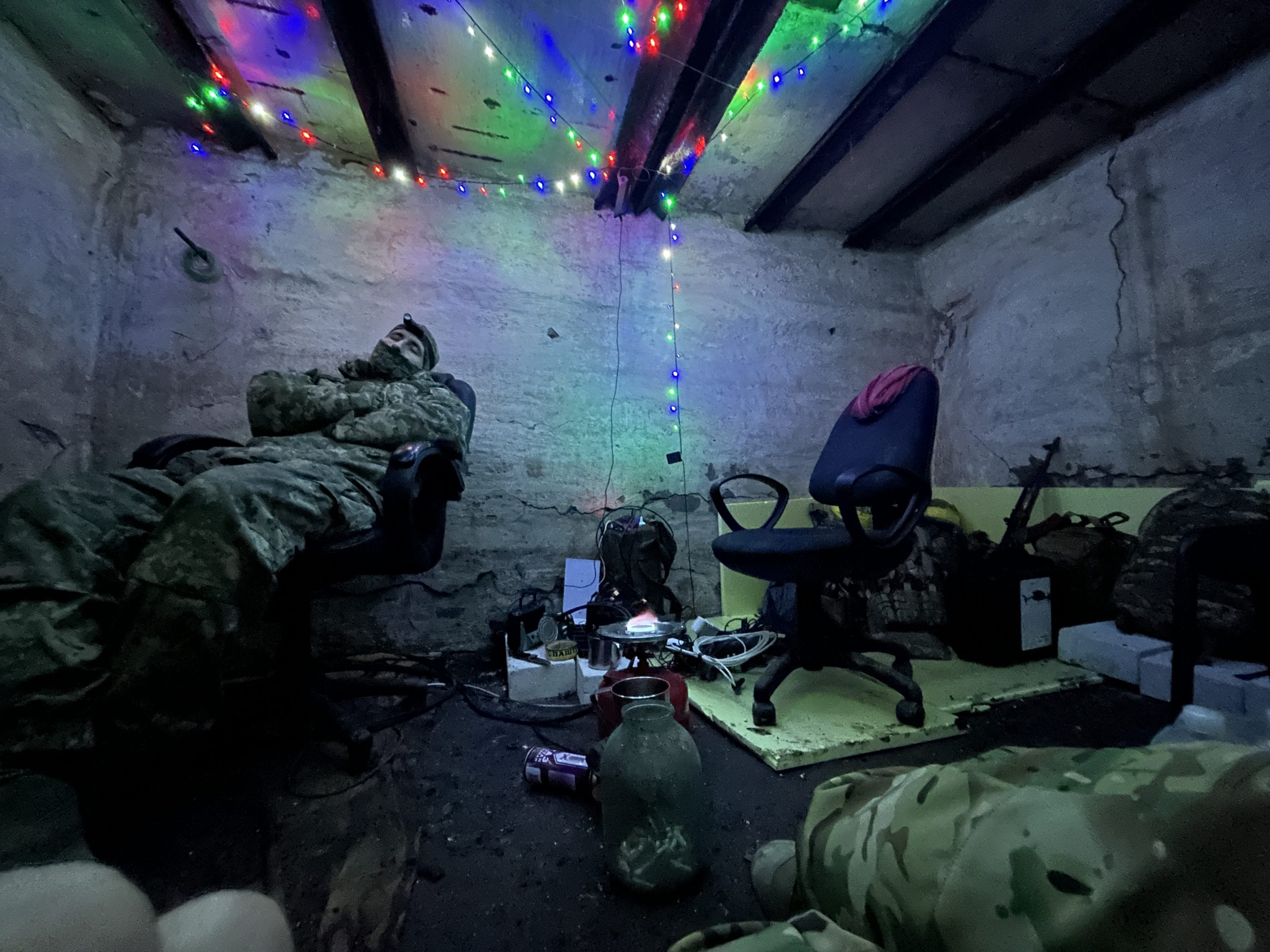
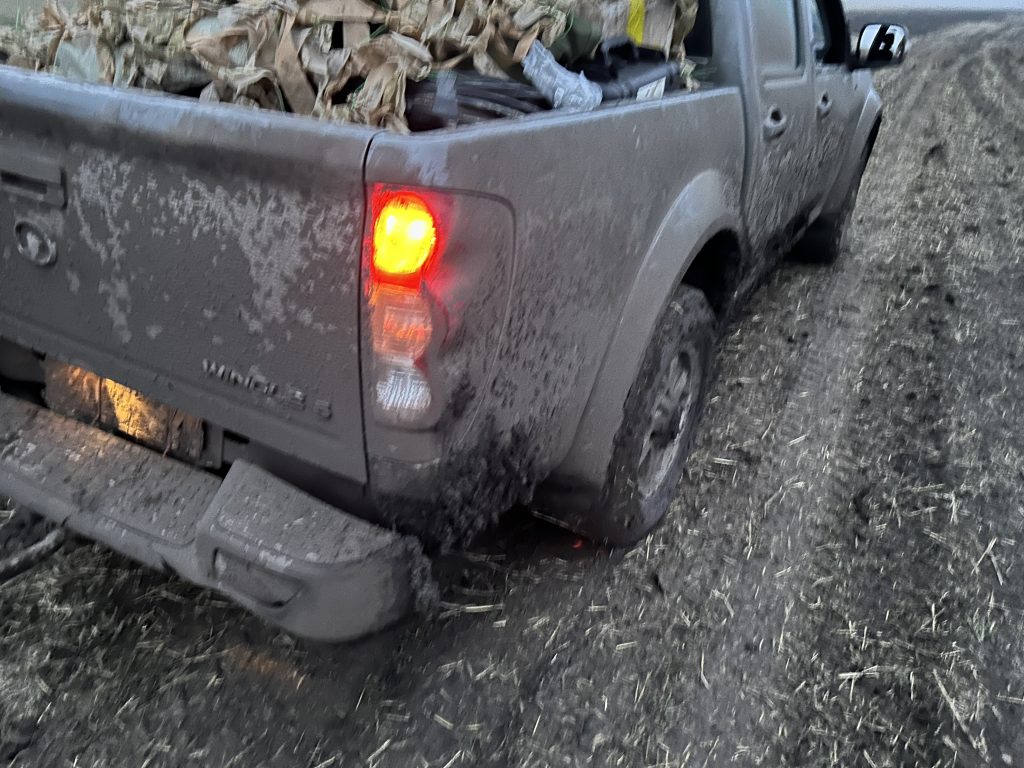
To direct these questions, let’s first think of the representative nature of photography. Beyond their artistic potential – which is still too often diminished by hierarchies that privilege photography made with traditional analogue or digital cameras – military mobile snapshots also possess an obvious documentary dimension. From the perspective of historical and anthropological inquiry, this representational quality constitutes the most direct way of engaging with such photographs. By providing access to the visual perspectives of soldiers themselves, they constitute a source of knowledge about living conditions, food, places of deployment, and other aspects of combatants’ everyday lives in wartime. Equally important, however, is not only what is photographed, but also what remains outside the frame. For example, compared to the vast body of photography from an outside perspective on the war, which tends to frame the war as an event or action, soldiers’ photographic gaze more often approaches it as a condition of everyday life. Consequently, such photographs are far less likely to show extreme moments of suffering and violence and far more likely to capture the “peaceful” moments of military everyday existence, such as the routines discussed above. When death does appear in snapshots, it often marks the “other,” the “enemy,” in the form of so-called trophy photographs; or, in some cases, photographs form part of the bureaucratic process of accounting for death: recording casualties, documenting fatalities, and supporting subsequent investigations. The nature of the military snapshots thus often occupies an in-between space: between violence and nonviolence, voyeurism and estrangement, visibility and concealment, the possibility and the impossibility of photographing. These tensions characterize not only the representation of experiences but also illuminate the photographers’ relationship to the objects of their gaze. They reveal what is considered worthy of being photographed and what is excluded from the frame; what is photographed in order to preserve a meaningful experience, and what is captured solely as part of the practical demands of military life.
To further delve into this consideration, it is productive to approach military snapshots beyond their representational dimension and additionally focus on how such photographs are produced, circulated, interacted with, stored, and deleted. Given their deep embeddedness in everyday life, one can observe that mobile photographs not only represent wartime experiences but also actively shape and structure them. It becomes clear if one approaches photography through the lens of practice rather than representation. The daily snapshots serve as a means of making sense of combatants’ experiences, communicating them, and even function as primary or auxiliary tools in carrying out combat tasks, bringing photography closer than ever to the status of a weapon. I propose exploring this analytical lens through three dimensions of photographic practice: sociocultural, practical, and affective.
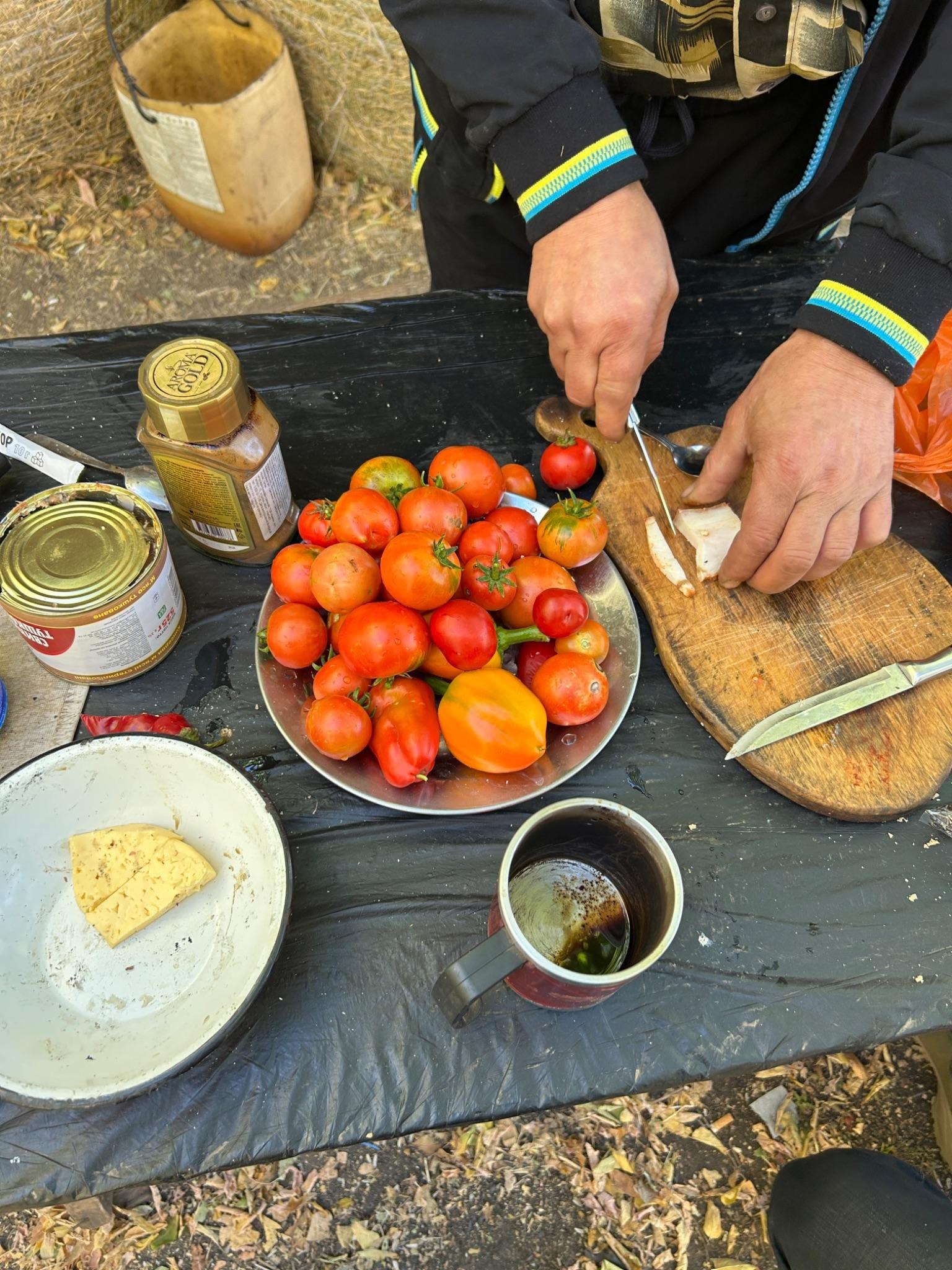
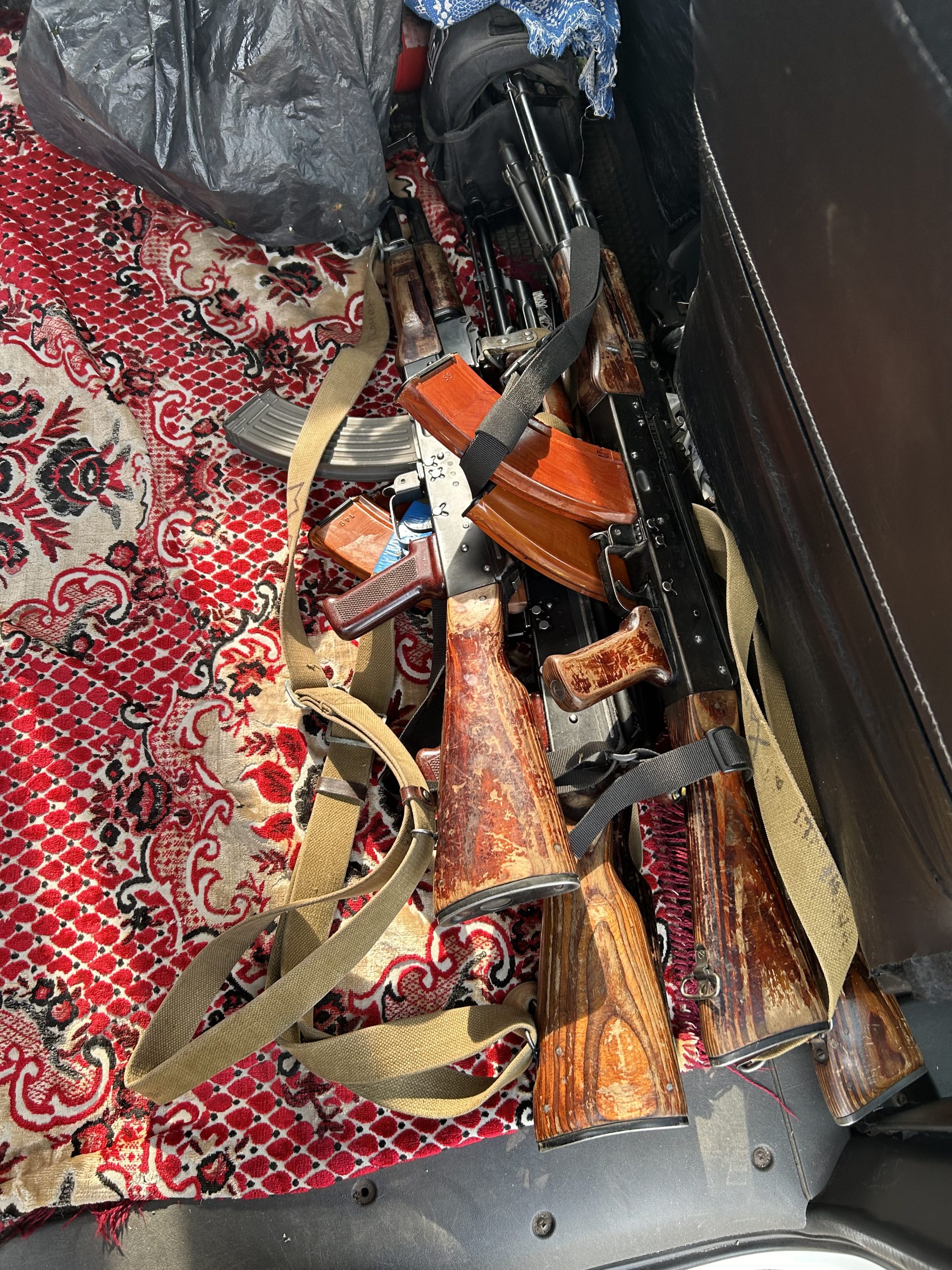
By sociocultural practices, I refer to socially and culturally situated forms of behaviour through which people organize everyday life, produce meaning, sustain relationships, and orient themselves in the world. Let’s explore how military snapshots often embody this kind of behaviour with a couple of examples. First, there is the practice of taking selfies. Although the selfie – a photographic form of self-representation – is commonly framed in broader internet discourse as narcissistic and superficial, in wartime it provides an important means for soldiers’ visual agency, through which individuals mark the transformation of their identity, their transition from civilian to soldier, their participation in the war, and their belonging to a military community. Moreover, it has the potential of rendering visible groups that are otherwise less visible or underrepresented in visual culture. The selfie affords a high degree of control over one’s photographic self-representation, as the soldier is simultaneously the photographer and the subject, while also retaining control over the editing and circulation of the image. In this sense, the mobile camera enables the immediate and extensive presentation of oneself to the world as one wishes to be seen by others. At the same time, as a sociocultural practice situated within a warfare context, the selfie in the military is shaped by disciplinary and security constraints. As a result, soldiers often engage in the selective management of their online visibility or manipulate photographs to conceal identifying features. Consequently, this photographic form, which ordinarily enables radical self-visibility in networked spaces of publicity, is paradoxically accompanied in wartime by practices of concealment and visual masking of identity – a pattern evident in many soldiers’ selfies.
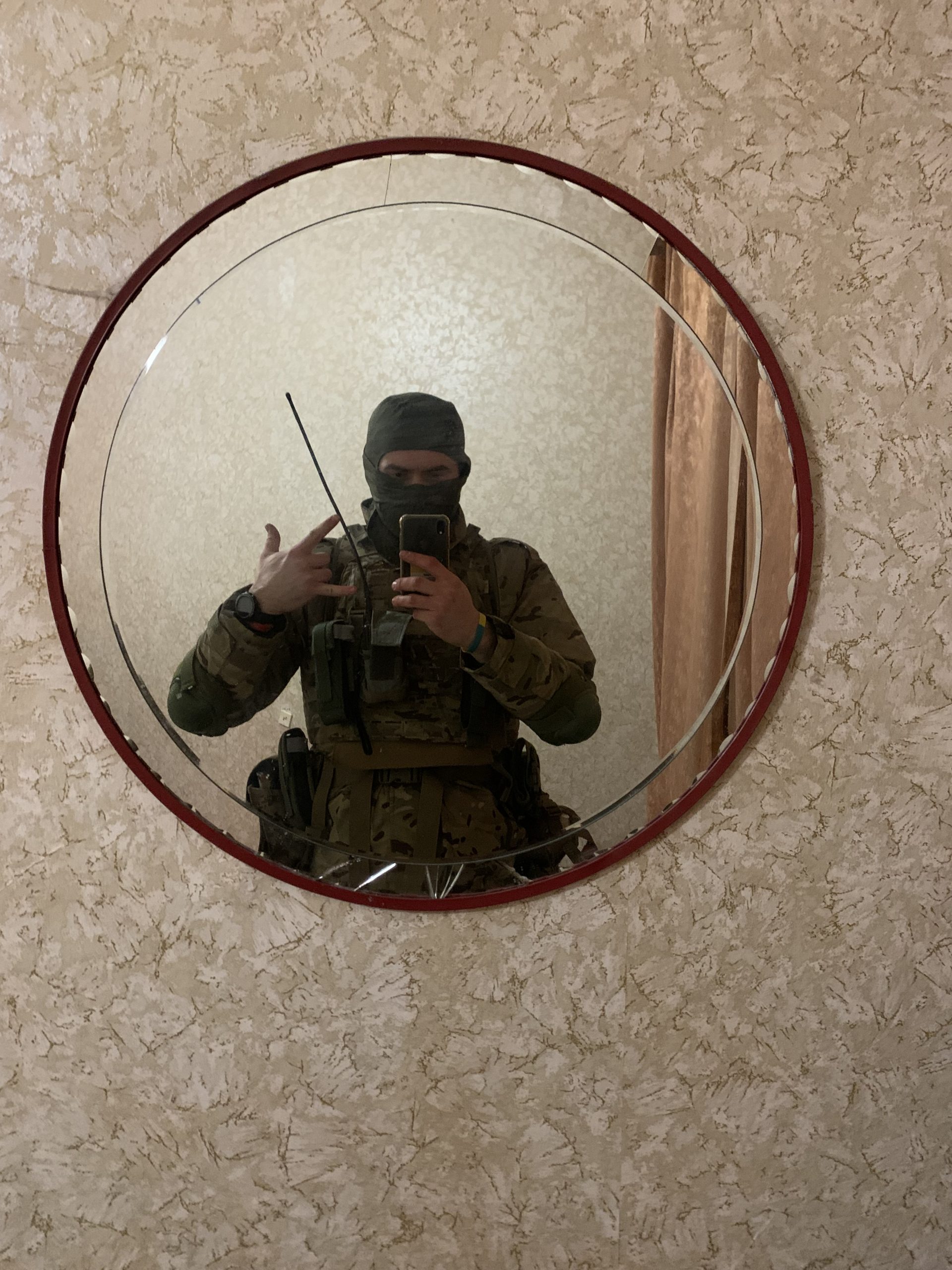
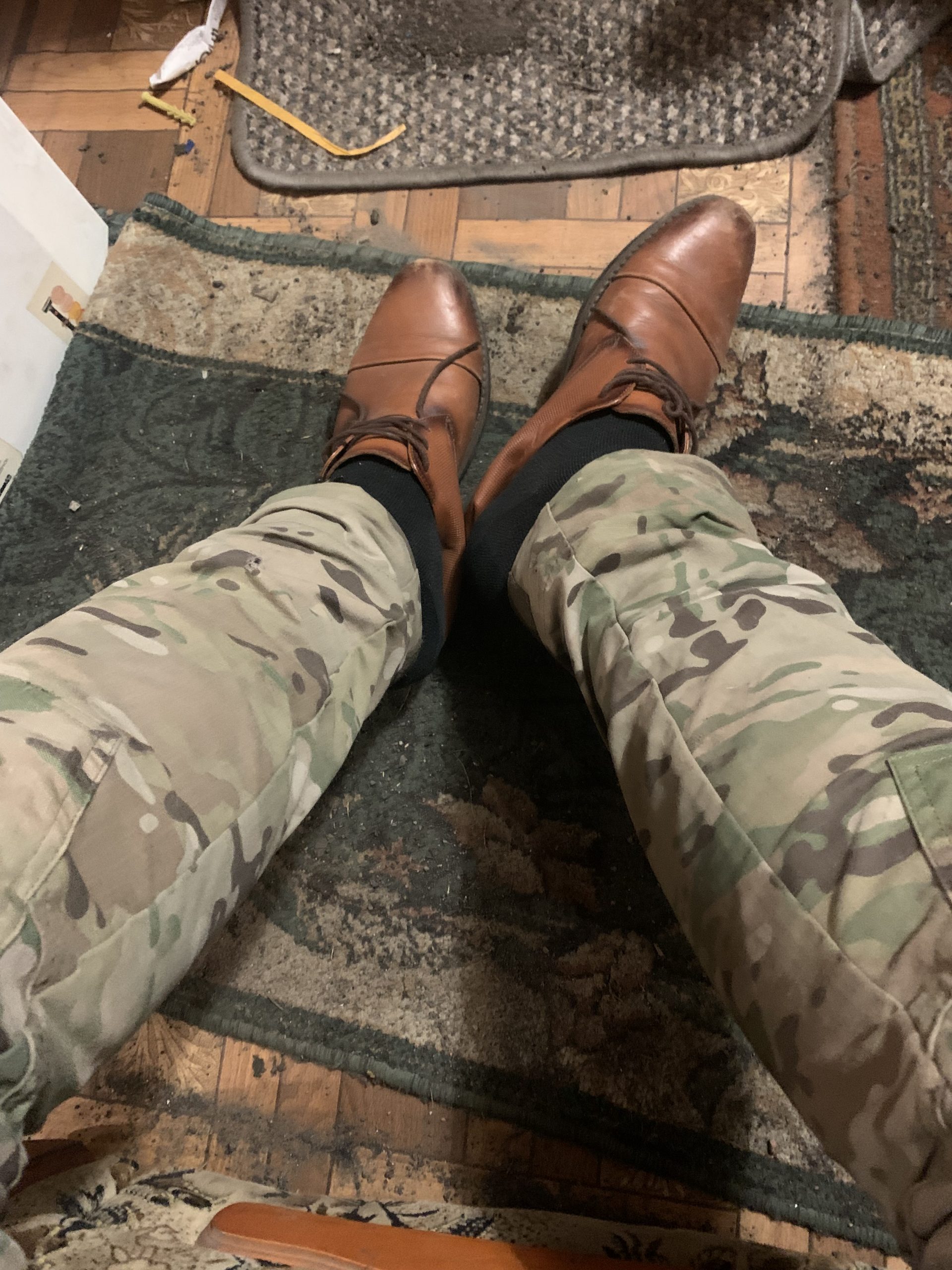
Selfies, and other forms of everyday photography, also function as communicative bridges to others, sustaining friendships, family relationships, and other social ties – leading us to the second example of photographic sociocultural practices. Photographs of everyday experiences – meals, animals, places, and ordinary situations – that soldiers take and share with others help maintain a sense of shared space and common experience across physical distance. In 2005, Mizuko Ito conceptualized this phenomenon as intimate visual co-presence, describing how the exchange of everyday images enables people to maintain feelings of closeness and togetherness across distance [2]. At the same time, these everyday snapshots can also be seen as practices of “domesticating the front” – the third example and a concept developed by Beatrice Pichel in her book called Picturing the Western Front: Photography, Practices and Experiences in First World War France [3]. Pichel argues that through photographic practices, soldiers make sense of and cope with the hostile environment of the front by focusing on elements that evoke home, such as preparing and sharing food, resting, or engaging in leisure activities. By selectively directing the photographic gaze toward these ordinary aspects of frontline life, soldiers symbolically appropriate an otherwise unfamiliar and chaotic space, transforming it into a more familiar and inhabitable place.
Selfies, communicative practices, and the domestication of the front should be understood as illustrative rather than exhaustive instances of the sociocultural practices embodied in military snapshots. The range of such practices underlying soldiers’ seemingly banal snapshots is far broader. What is important to recognize, however, is that such mundane snapshots do not merely depict reality; they also constitute a means through which soldiers organize, make sense of, and structure their wartime experiences. A somewhat different dimension is the practical, utilitarian role of the photographs found in soldiers’ smartphone galleries. Photographs of landmarks used for operational coordination, cargo, documents, reports, constitute a distinct corpus of images that often occupies a substantial portion of soldiers’ private smartphone galleries. These images are typically assigned less significance: they are rarely published or shared online and are often deleted once they have fulfilled their function in order to free up storage space on the device. Yet they deserve to be mentioned here as a distinctive category, as they demonstrate just how deeply photography has become woven into everyday life – and even into the practical execution of military tasks, transforming the long-standing metaphorical affinity between the camera and the firearm into something far more literal.
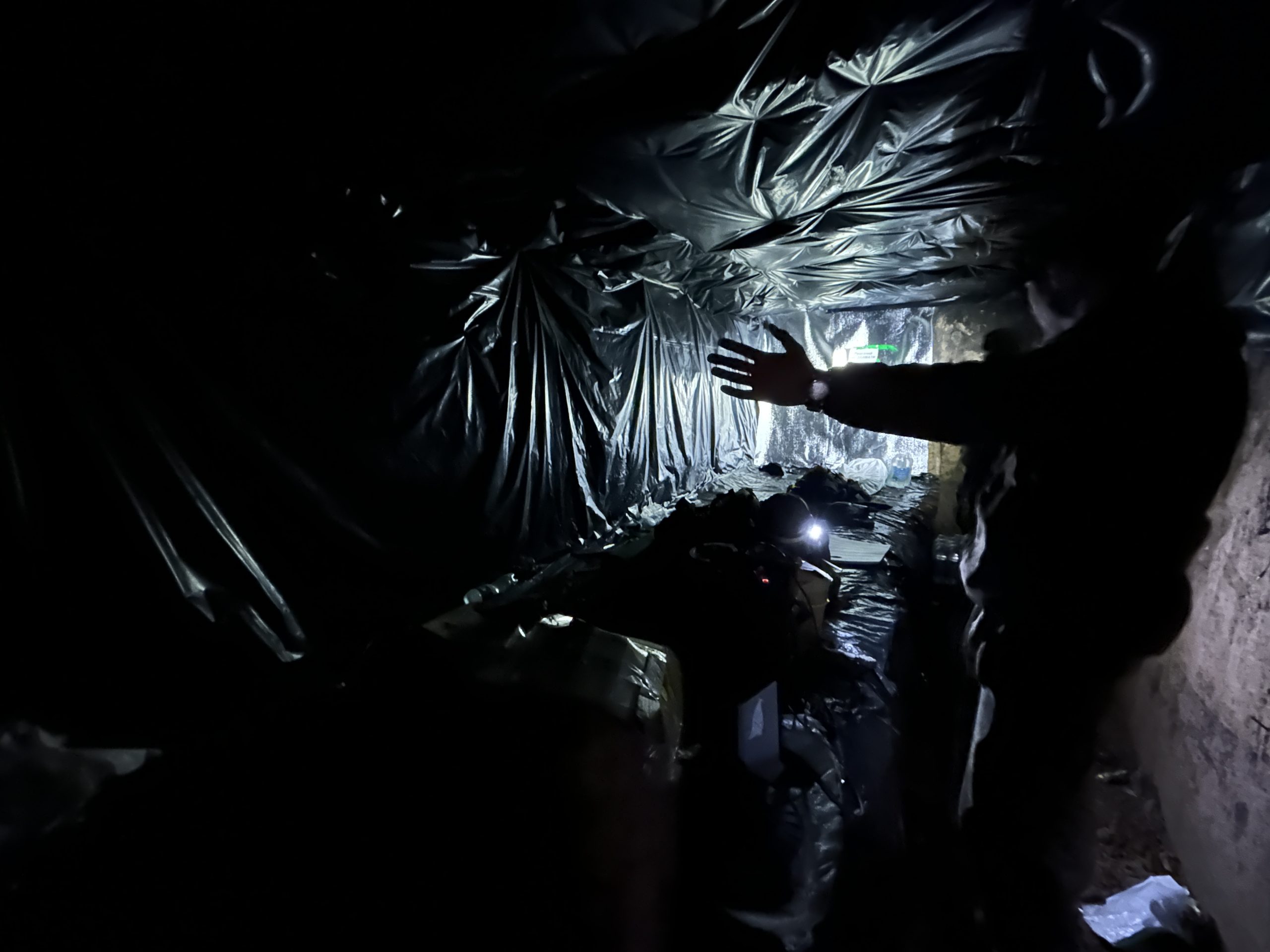
Photographic practices are also affective – rather than constituting a separate category, it is a dimension that cuts across the majority of photographic practices – they are permeated by emotional states, often motivated by them, and capable of evoking specific emotions. It also plays a crucial role in the formation of memory of the war, as photographs are selected, organized, revisited, or, conversely, deleted, gradually becoming a kind of Vorlass – a German term meaning lifetime legacy. The act of taking photographs is, in many cases, closely tied to positive emotional experiences: moments of relief after surviving a combat mission, friendship, pride, beauty, humour, or the simple pleasure of everyday life amid war. The affective dimension also extends beyond the moment of capture. Photographs are often subject to emotional re-signification as the circumstances in which they are viewed and remembered change. A group photograph taken in a moment of emotional relief after returning safely from combat may, over time, acquire a profoundly different emotional meaning if one of the people depicted is later killed. Likewise, the affective dimension extends to the moment before the shutter is released: the decision of whether to take a photograph is itself shaped by emotional experiences, particularly in contexts where photography is regarded with suspicion as a potential source of danger.
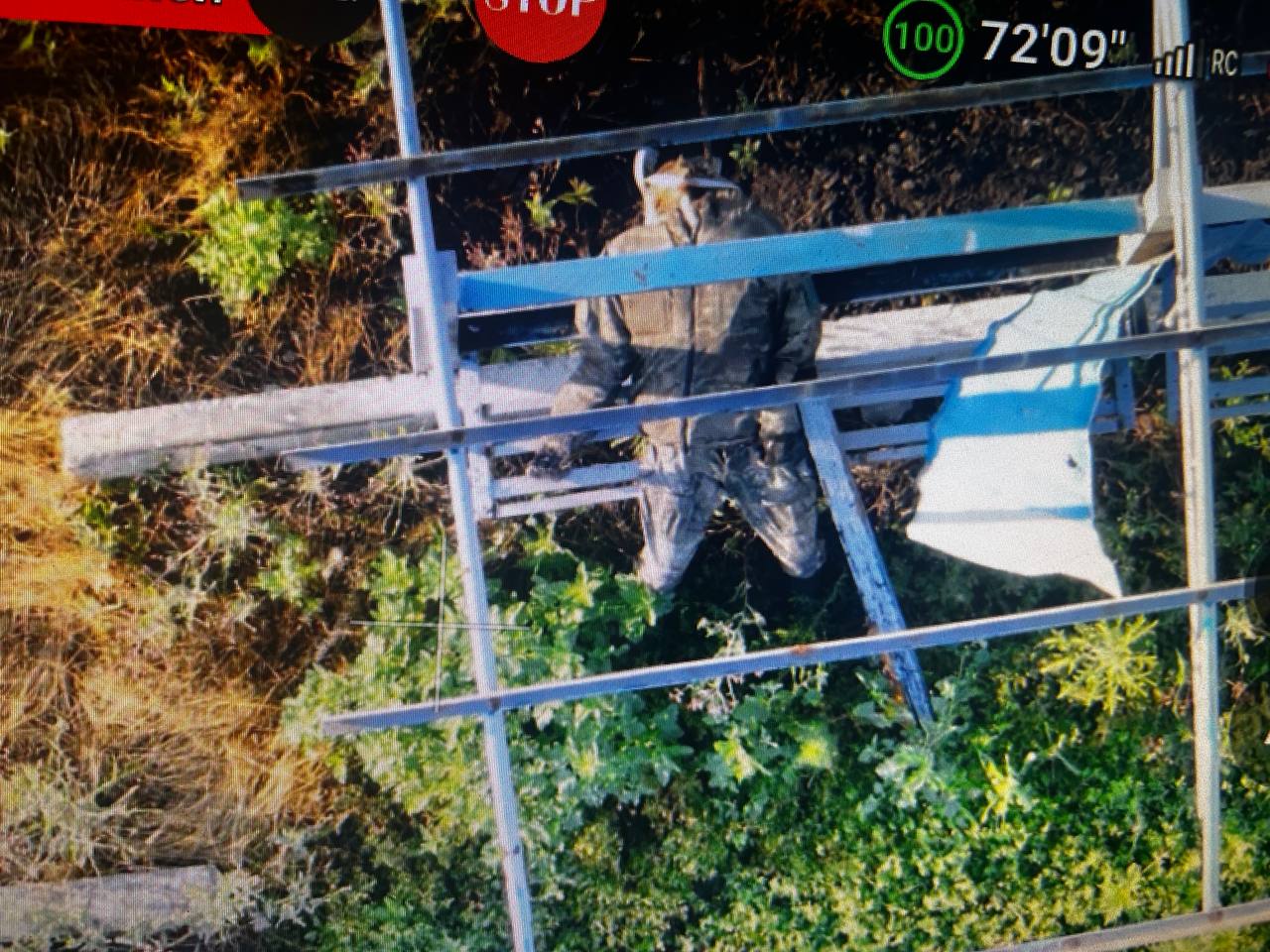
Photography is a practice of meaning-making. Understanding photography as an affective practice, particularly in relation to the formation of personal memory and narratives about one’s wartime experience, also helps explain the relative absence of negative experiences and the predominance of photographs depicting “positive moments.” Such moments are more often perceived as worthy of being remembered and therefore of being photographed. Even photographs of dead enemy soldiers, although far from joyful in themselves, can be understood through this emotional dimension. Within the context of legitimized wartime violence, such trophy photographs may function as emotional objects: for some soldiers, they mark victory over the enemy, while for others they help distance themselves from the act of killing. By turning the enemy into a photographic object, the image can mediate, and at times soften, the emotional burden associated with taking another person’s life.
To take a closer look at military mobile snapshots is to turn our attention to a form of everyday “amateur” photography that is routinely overlooked and marginalized within professional photographic discourse. As an immense body of such images continues to be produced on smartphones, we are confronted not only with an unprecedented visual archive of the war but also with the urgent need to recognize these photographs as valuable sources of knowledge and as an integral part of the photographic landscape of Russia’s war against Ukraine. Doing so requires us, on the one hand, to reconsider what enters archives and comes to constitute the photographic canon and, on the other, to rethink the conventional understanding of photography itself. Deeply embedded in everyday life, mobile photography has acquired unprecedented forms and functions that challenge traditional articulations of what photography is and what it does. As the British anthropologist Daniel Miller observed in 2015, the very logic and structure of contemporary social interaction have been reshaped by mobile photography. He argues that photography has become increasingly akin to language: a medium that actively constructs social reality rather than merely representing it [4]. Miller further contends that photography’s deep integration into everyday life requires its study to move beyond the confines of visual studies and visual anthropology, becoming normalized within history and mainstream anthropology more broadly. Following this line of thought, we are confronted with an unprecedented body of visual language about war, produced by those most directly involved in it – soldiers on the front line. Looking more closely at this visual language allows us to recognize the practices that constitute and, to a large extent, shape military everyday life. Through banal mobile photographs, we have a chance to glimpse beyond the fog of war – and encounter the human being within it.
This article is based on the findings of my Master’s research conducted within the Memory Studies and Public History programme at the Kyiv School of Economics. Carried out in 2025 – 2026, “The War in The Camera Roll: Everyday Mobile Photography Practices of Ukrainian Soldiers” draws on a corpus of 540 photographs and a series of in-depth interviews with Ukrainian soldiers. The photographs of Dmytro S were made available for this research and were first published in the fifth print issue of Solomiya magazine (2025).