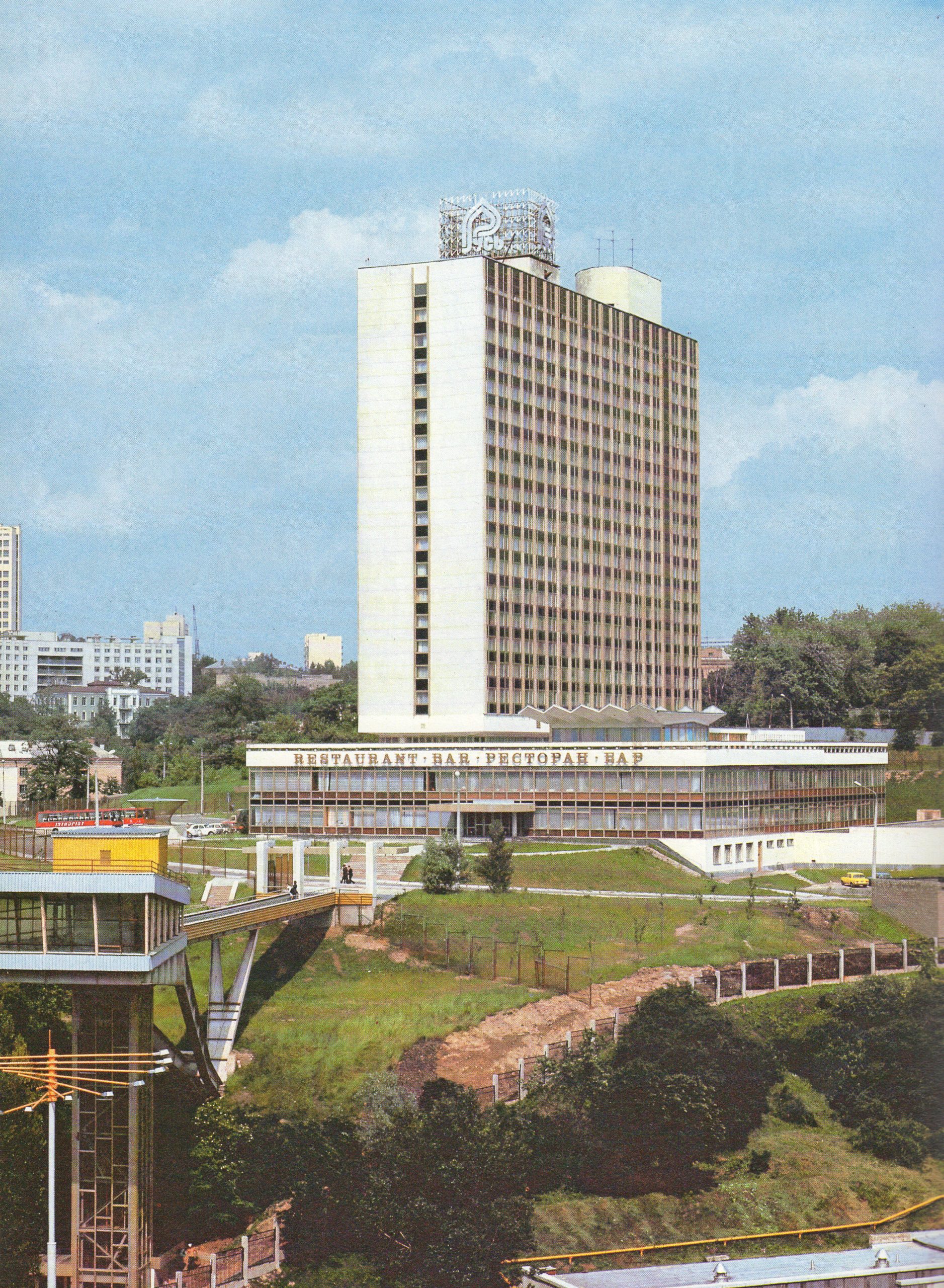
The final source on my list – and perhaps the most intuitive starting point for exploring photography – is photo albums. Some are readily available in bookstores, while others require a bit more effort to discover, whether at book fairs or through online auctions. During the Soviet era, photo books were a form of subtle propaganda and were published regularly. Each regional centre of Ukraine typically produced several photo albums between the end of the Second World War and the fall of the USSR, showcasing the city’s life, history, culture, industries, and educational institutions. There were also thematic editions dedicated to specific topics, such as museums, historical figures, or particular events. Albums focusing on Ukraine as a whole were also common.
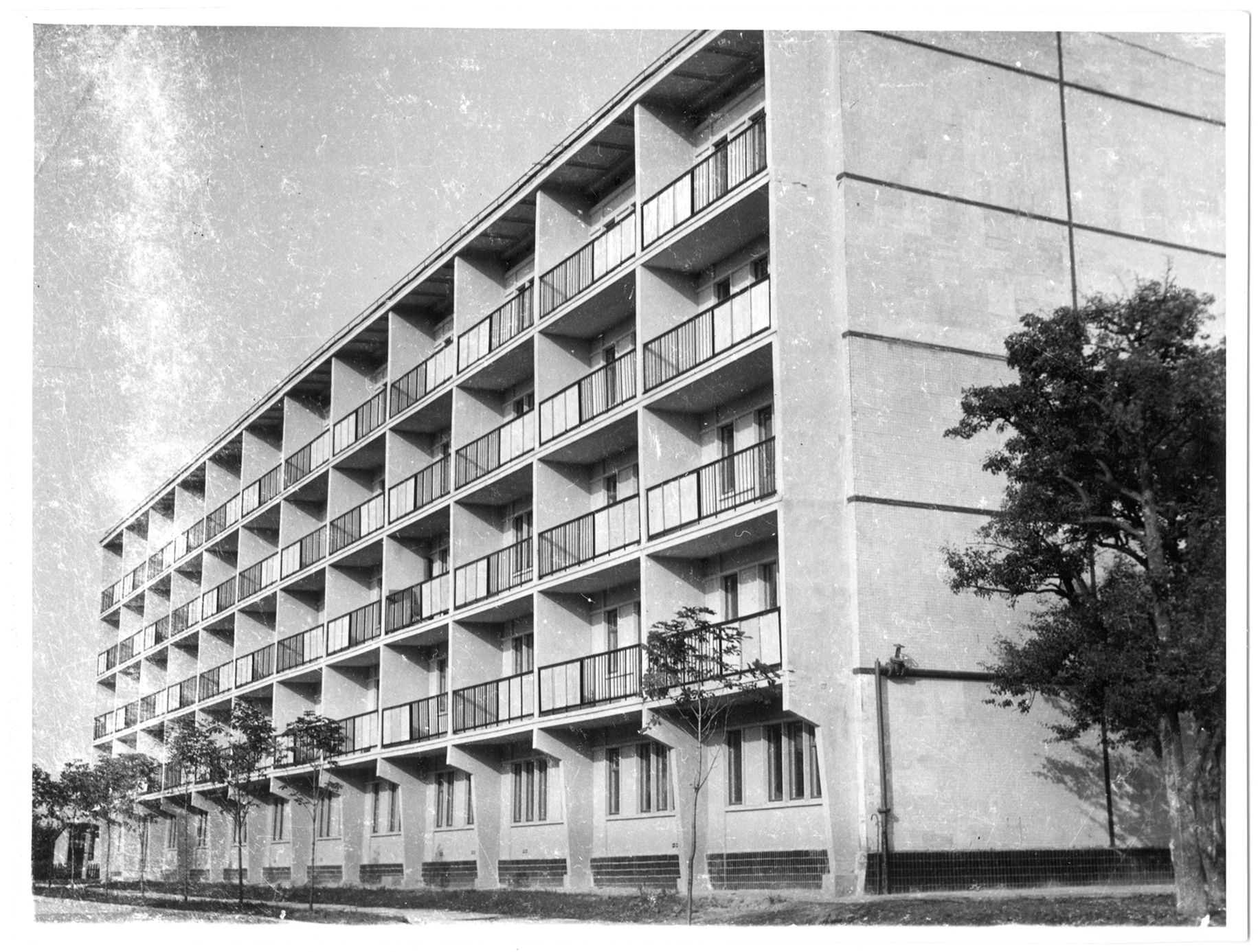
In these publications, architectural photography was prominent, often accounting for at least 30% of the content. These included images of both historical landmarks and newly constructed projects of “Soviet modernism,” which played a key role in promoting the communist narrative. Cities were depicted as thriving hubs with new public, cultural, and sports facilities, as well as residential areas filled with happy residents. These images adhered to strict unspoken rules: everything had to appear vibrant, clean, and content in the Ukrainian Soviet Socialist Republic. Essentially, this was a form of censorship, with photographers preemptively framing their shots to meet these requirements.
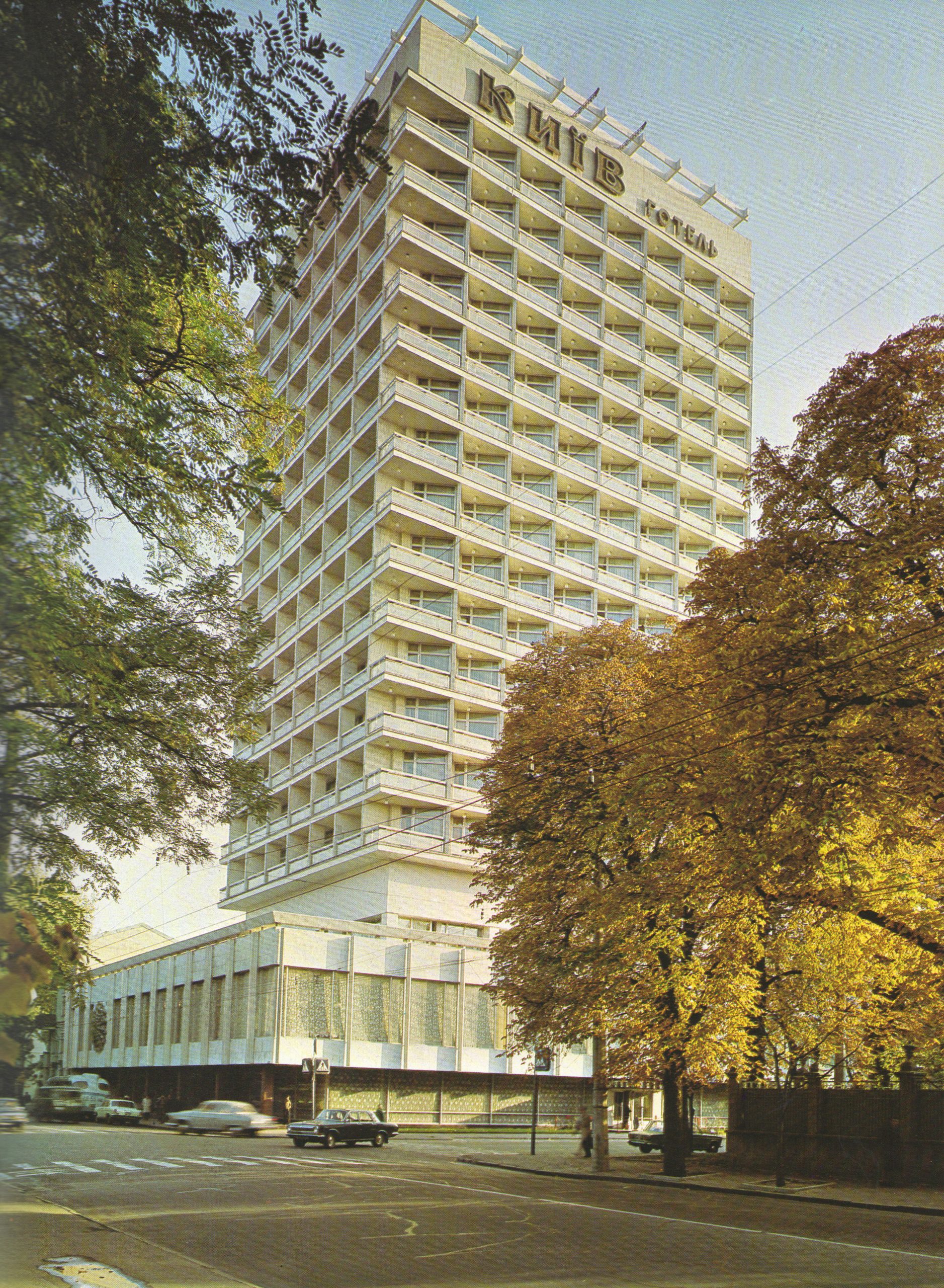
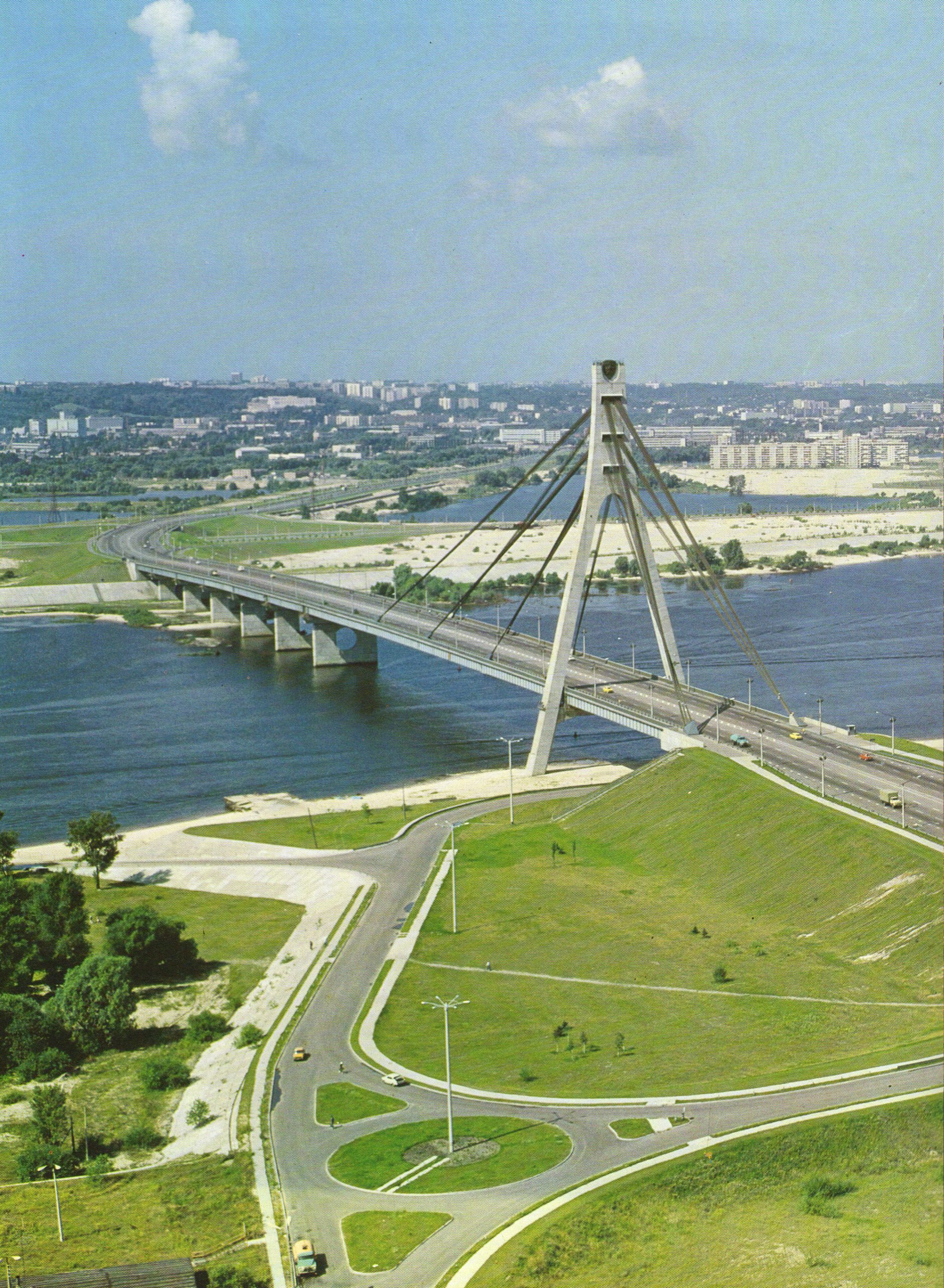
Architecture played a central role in Soviet propaganda, serving as a key instrument for shaping the Soviet citizen and the broader Soviet way of life. This was particularly evident in the mass housing construction programs. Nikita Khrushchev’s 1955 decree on the fight against “decorative excesses” marked a pivotal moment in the post-war USSR, influencing both the aesthetic and functional approaches to urban development. The lives of the new inhabitants of newly constructed prefabricated housing blocks were depicted across various media, including cinema, animation, and literature.
However, the exploration of this theme within the context of architectural photography has historically been far less developed. Photo albums from the period often portray residents as content and thriving, which may, in part, reflect the truth of their experiences. After decades of communal living in overcrowded apartments or factory barracks, the late 1950s and early 1960s marked a turning point in the living conditions of Soviet citizens. For the first time, they were granted the right to small, yet private, living spaces of their own. This shift represented a new era, offering a degree of individual autonomy and privacy previously denied to most. Yet, it is evident that the overall quality of the architecture itself – or more specifically, the quality of its realization – was significantly lower than the idealized images suggest. This contrast makes it all the more compelling to examine this subject by analysing photographs from official albums, especially when compared with the work of professional architectural photographers and private archives. Such a comparison allows for a deeper understanding of the ways in which Soviet architectural imagery was carefully curated to present an idealized narrative, often masking the reality of the built environment.
Public buildings served as powerful reflections of Soviet architectural ideals, playing a crucial role in shaping the Soviet citizen from childhood through to their final years. These structures were not merely functional; they were designed to reinforce the state’s values at every stage of life. Notable categories of public buildings included pioneer palaces and camps, state offices, and various museum complexes, particularly those dedicated to Lenin.
The education of the citizen began with the architectural form and style, which was then further reinforced through architectural photography in photobooks. These images served to clarify and cement the state’s vision, aligning the public’s perception with the official agenda at every level. In this context, official Soviet architectural photography can be seen as a potent propaganda tool, illustrating the rigid boundaries between what was permissible and what was forbidden.
Despite the pervasive censorship, the photographs produced were of exceptional professional quality. These publications showcased a diverse array of architectural subjects, from sweeping aerial views of entire neighbourhoods or university campuses to intimate close-ups of interiors, mosaics, and decorative elements. Through this visual documentation, the state’s vision of unity, order, and progress was both promoted and solidified.
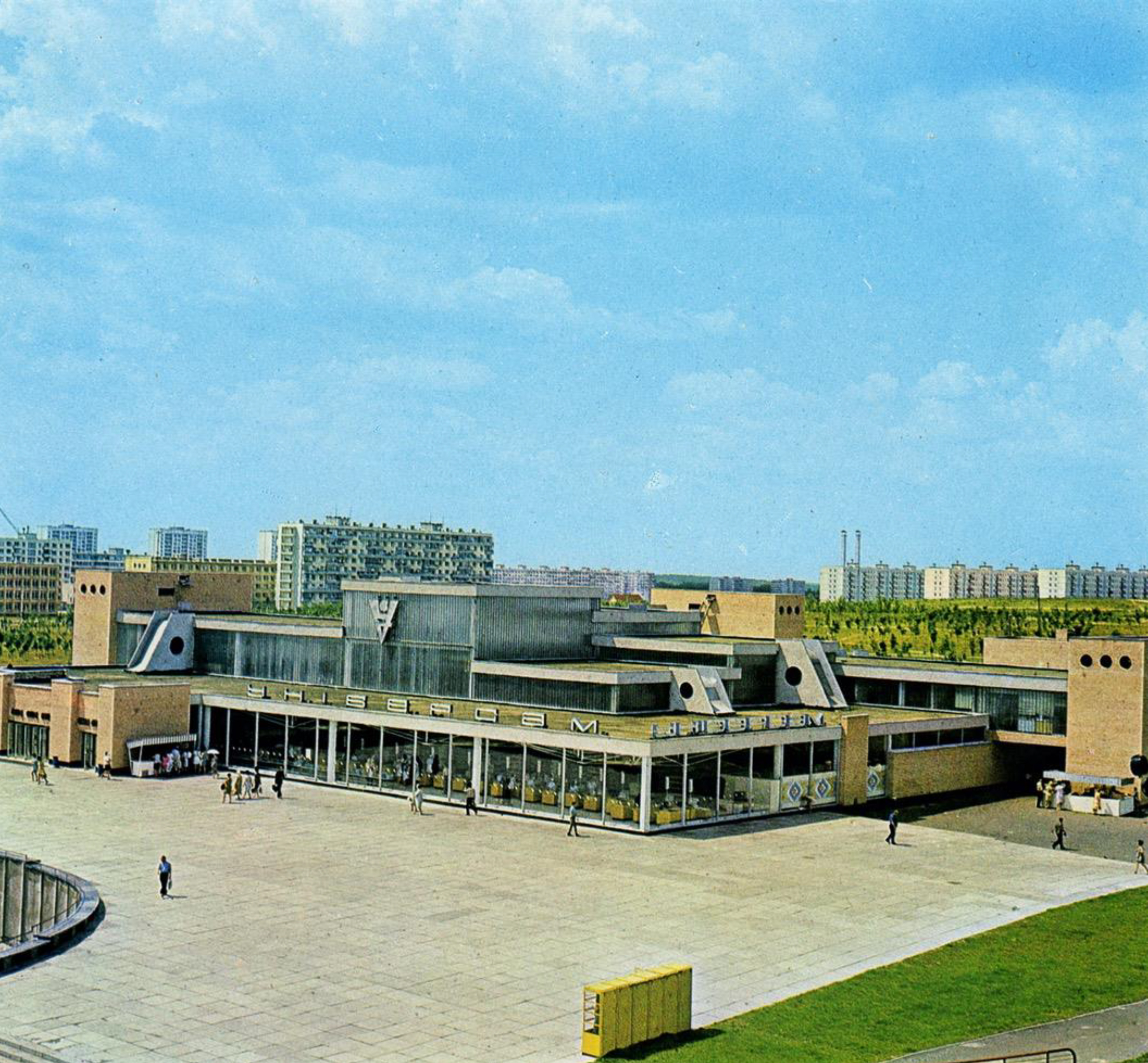
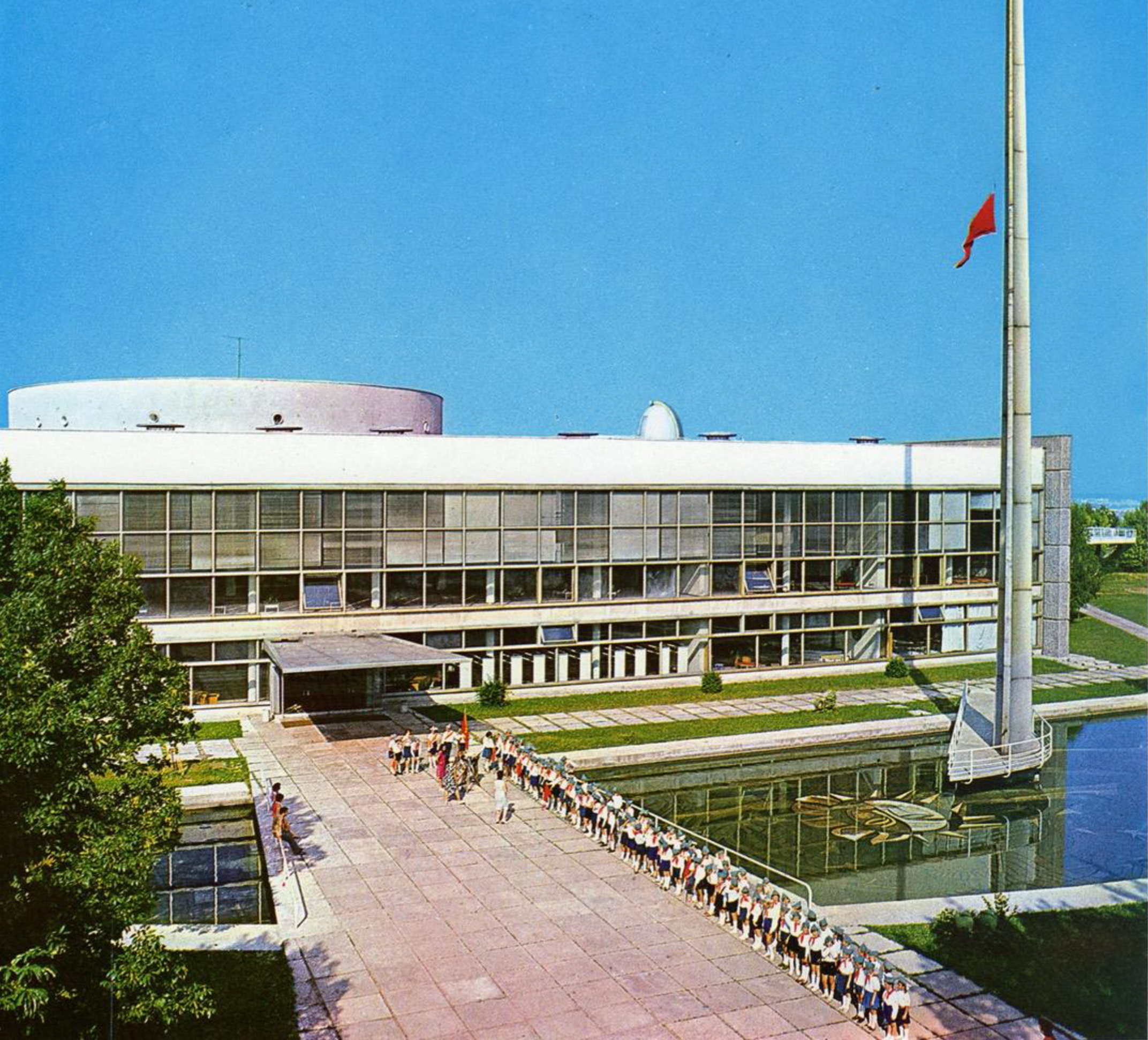
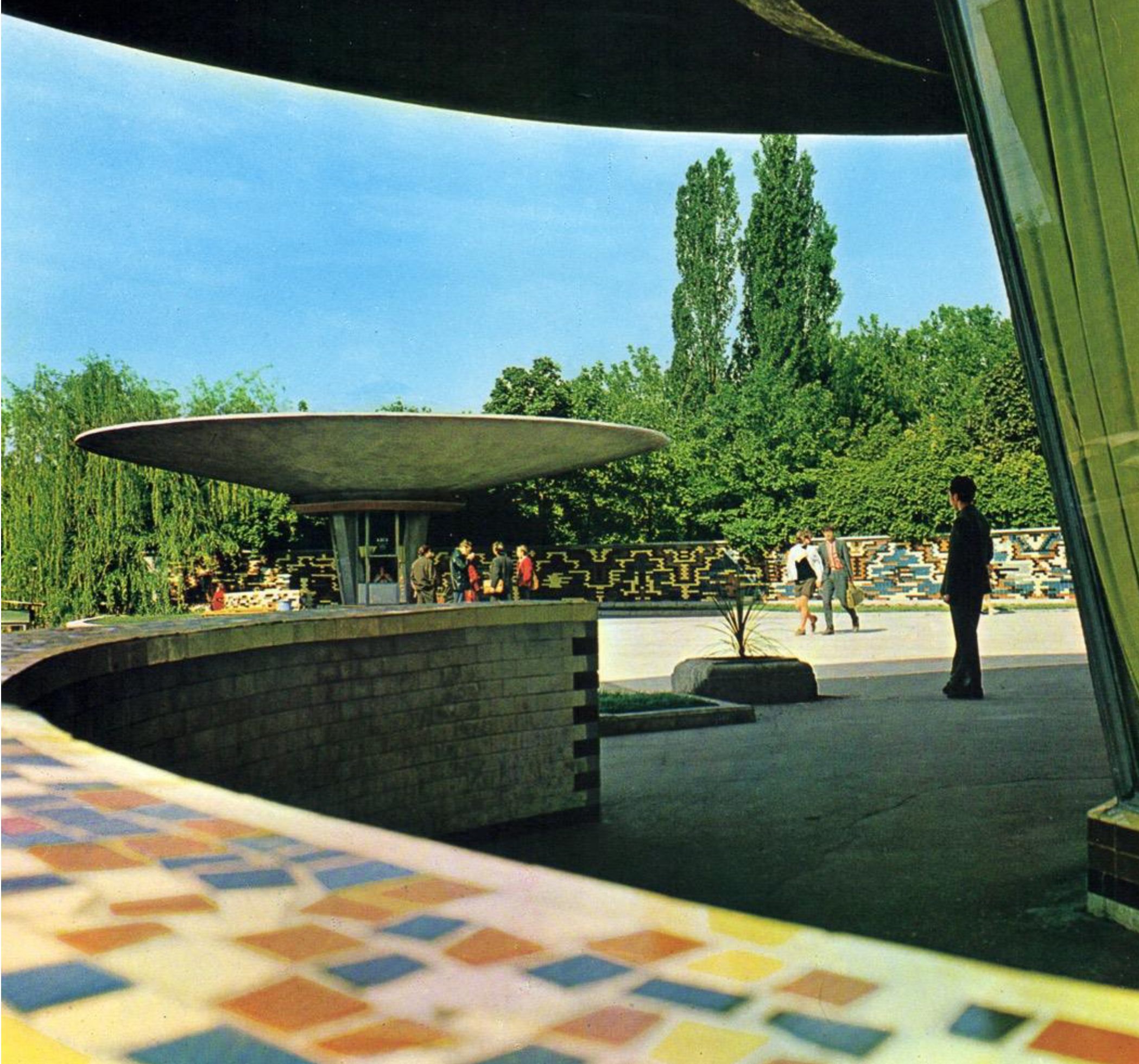
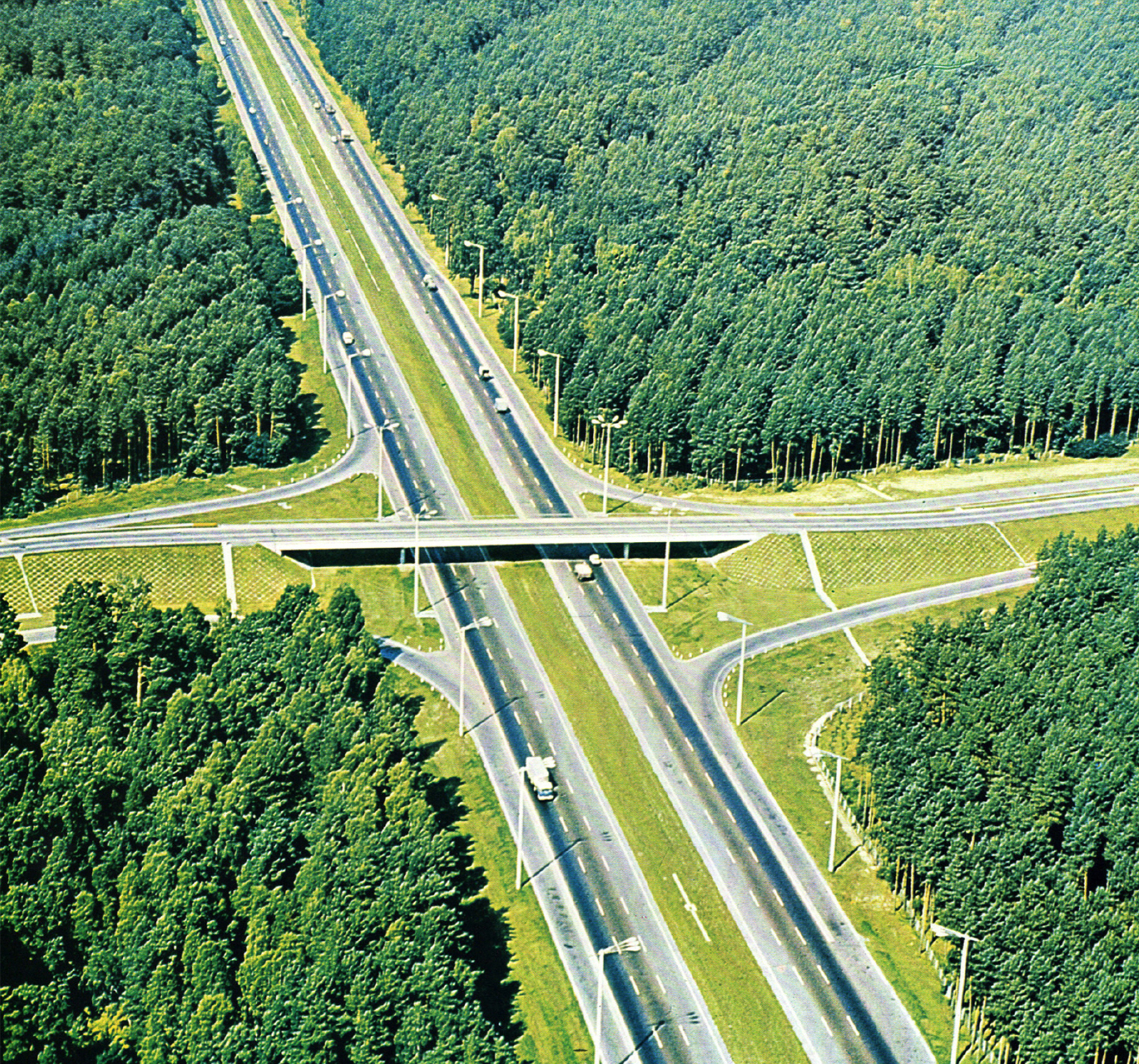
Perhaps the most famous photographer in this field was Mykola Kozlovski. He was a special photo correspondent for the magazine Ogonyok (Spark) in Ukraine, which was probably the most important weekly illustrated magazine in the USSR. Mykola Kozlovski published more than thirty photo albums and was honoured with many awards, including the Shevchenko Prize in 1986. Kozlovski’s favourite subject was Kyiv, but he also photographed all of Ukraine and the whole USSR, and made several world tours, which resulted in photo albums such as Across 15 Seas and 2 Oceans (1962). Kozlovski photographed Bulgaria, Czechoslovakia, France, African countries, India, and finished in Japan. Kozlovski’s photographs are important historical documents from many perspectives. If we talk about visual propaganda, it is undeniable that Mykola Kozlovski was one of the major figures of this genre in the Ukrainian Soviet Socialist Republic. But at the same time, the subtlety of propaganda in his photographs means that they are not rejected by the viewer. The high degree of professionalism evident in the framing and his work with light and colour contributes to the aesthetic perception of the images, while their content makes them one of the most important historical documents of the epoch. Moreover, the period during which he captured the urban landscape – from the 1950s to the 1990s – preserved for us some of the most significant milestones in the country’s history and the evolution of its cities.
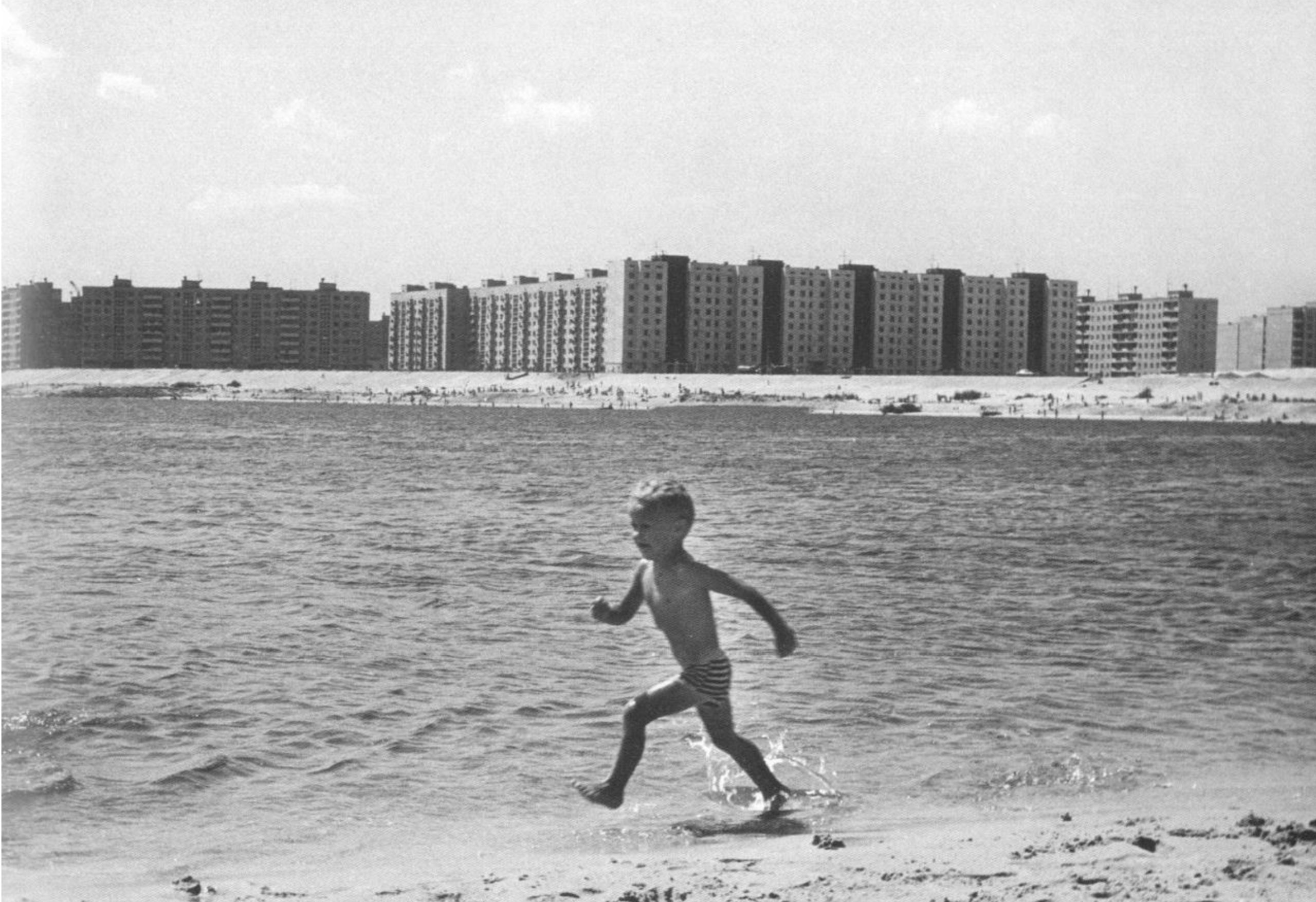
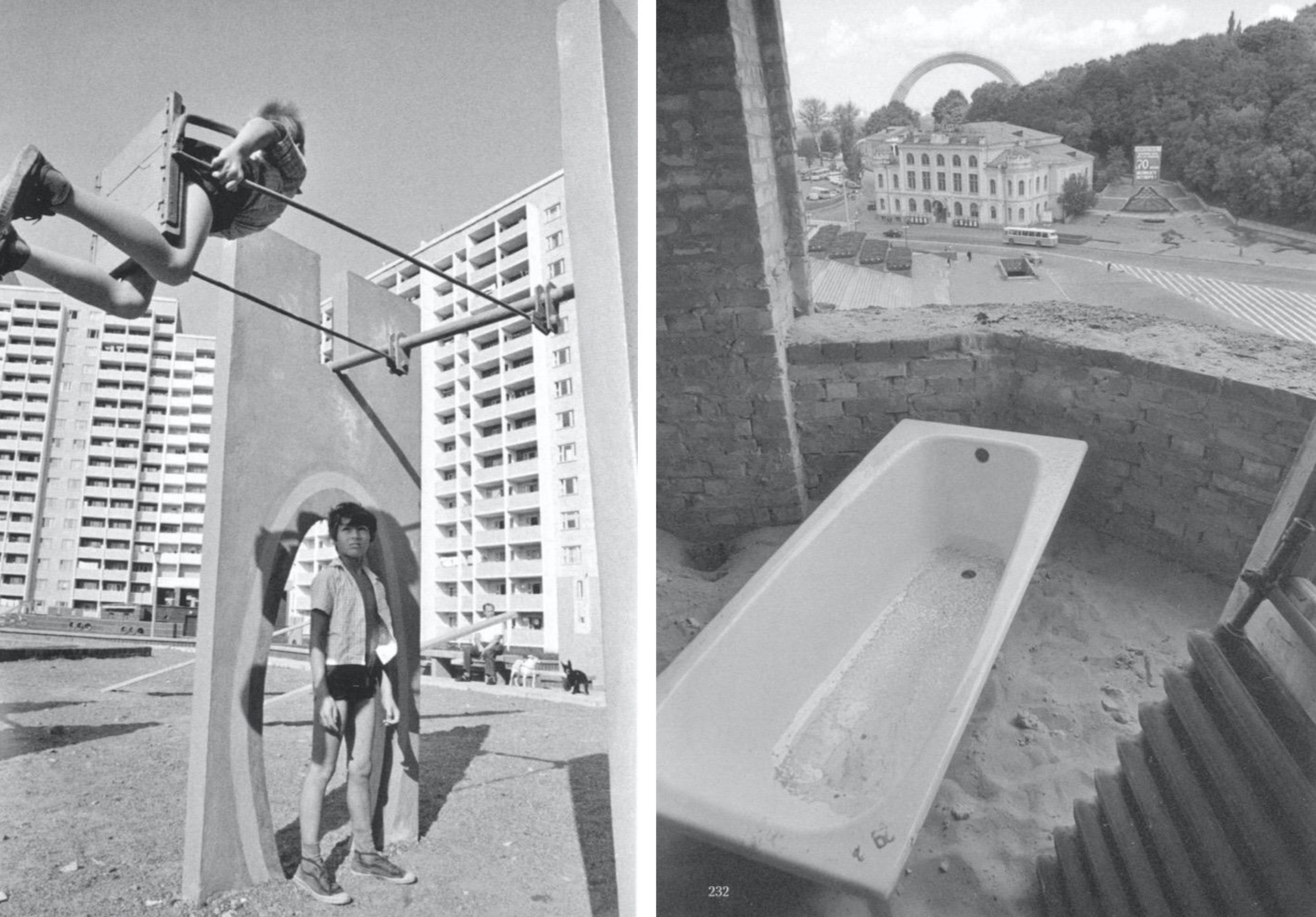
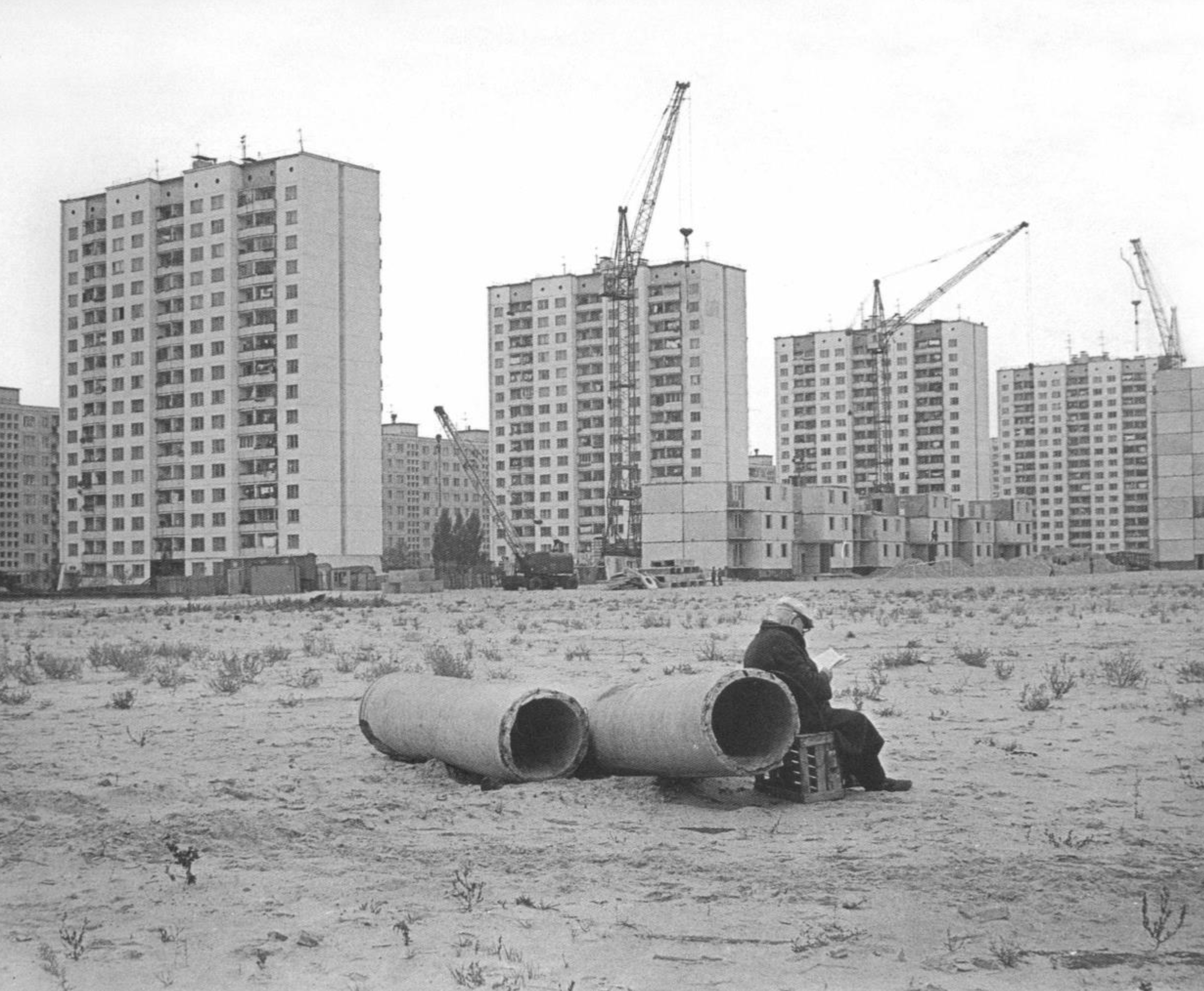
Today, books on the history of Kyiv and other Ukrainian cities remain popular and in high demand. Among the most active publishers in this field are VARTO and Sky Horse[1] One notable example is Volodymyr Falin’s book Kyiv. It Wasn’t That Long Ago: 1973–1995, published by Sky Horse. In the introductory text to this book, Volodymyr Falin recalls his path in photography:
I was born in 1946 in Vienna, but since 1951, i.e., for over 60 years, I’ve been in Kyiv. I was “infected” with photography by my father, who repeatedly regretted it when he found out, for instance, that I had filched his FED camera (one of the first Soviet small cameras, named for Felix Edmundovich Dzerzhinsky) to shoot the slopes of the Dnipro, the Kyiv Lavra Monastery, the streets and parks of my beloved city. Over time, I began to bring the camera to school, and to justify its clicking in the classroom, I started to create photo-newspapers with stories about our class and school life. In 1964, I got my own personal camera, a Start SLR, the best Soviet camera at the time. It was only after finishing school that I began attending the photography club at the Palace of Pioneers, which gave me the opportunity to try different lenses and develop and print pictures in a proper darkroom instead of using the bathroom in a shared apartment, which was becoming increasingly difficult. At twenty, I became head of the photo lab in one of the research institutes and gained access to all types of photographic equipment – first Soviet, then German: in 1973, Praktica and Skyros cameras manufactured by the GDR appeared in Kyiv. The research institute gave me the opportunity to master micro- and macro-photography, the photographic reproduction process, technical photography, slide production for polygraphy and projection, etc. And all those years the city and its residents remained my favourite subject. I had made so many pictures that in 1978 Mystetstvo Publishers released the first original photo album “The song about Kyiv,” made jointly with Taras Shablovsky. Later on, there were other publications. Unclosed lofts and scaffolding on the architectural and historical monuments made my soul rejoice: what new views they provided! And it would have been simply unforgivable to walk around the city and not ‘spy’ upon the life of its inhabitants.[2]
In the case of Falin’s photographs, what stands out is his ability to blend the architectural environment with the social, often using humour as a subtle yet powerful tool. The Soviet way of life, set against the backdrop of Soviet architecture, forms an integral composition in which the two elements are inseparable. Through humor, Falin delicately conveys a form of critique of everyday Soviet life. Unlike Kozlovski’s photographs, which present an idealized, “perfect” view, Falin’s images often depict new residential districts still under construction, littered with construction debris and imperfections – areas that would remain in this unfinished state for many years. Yet, despite this subtle visual critique, Falin’s work fosters a continued affection for the city of Kyiv, inviting us to explore new perspectives, compare past and present, and reflect on the evolving nature of the urban landscape.
Through another book published by Sky Horse, Kyiv in the 1970s-80s[3], I began a long friendship and co-operation with perhaps the main figure of architectural photography in Ukraine, Oleksandr Ranchukov. Like Viktor Marushchenko and Volodymyr Falin, Oleksandr Ranchukov was a graduate of Ukrainian photographer Iryna Pap’s photography school at the Institute of Photojournalism of the Union of Journalists of Ukraine. He began his professional photography career in 1978 as a staff photographer at the Research Scientific Institute of the Theory and History of Architecture and Urban Planning in Kyiv. Ranchukov’s duties included daily photography of architecture throughout Ukraine. This could involve taking trips with architects to photograph newly commissioned structures and their construction processes, as well as the condition of historical buildings. He worked in this position at the Institute until 1996. Over the years, he created a unique archive, notable for its style and character. He often liked to shoot at dawn, sunset, or when there was fog – in frontier weather conditions. He used black-and-white film exclusively, believing that colour, especially for architectural photography, is superfluous, breaks down form, and does not convey the plasticity of structural volumes. The city was for him a field of research, a living organism with its unique environment and image. His photo heritage can be called a kind of photo library of Kyiv, a passport of the city. Through his photographs, we can trace the change in the urban fabric of the way of life in the city of Kyiv from the 1970s to the 2010s.
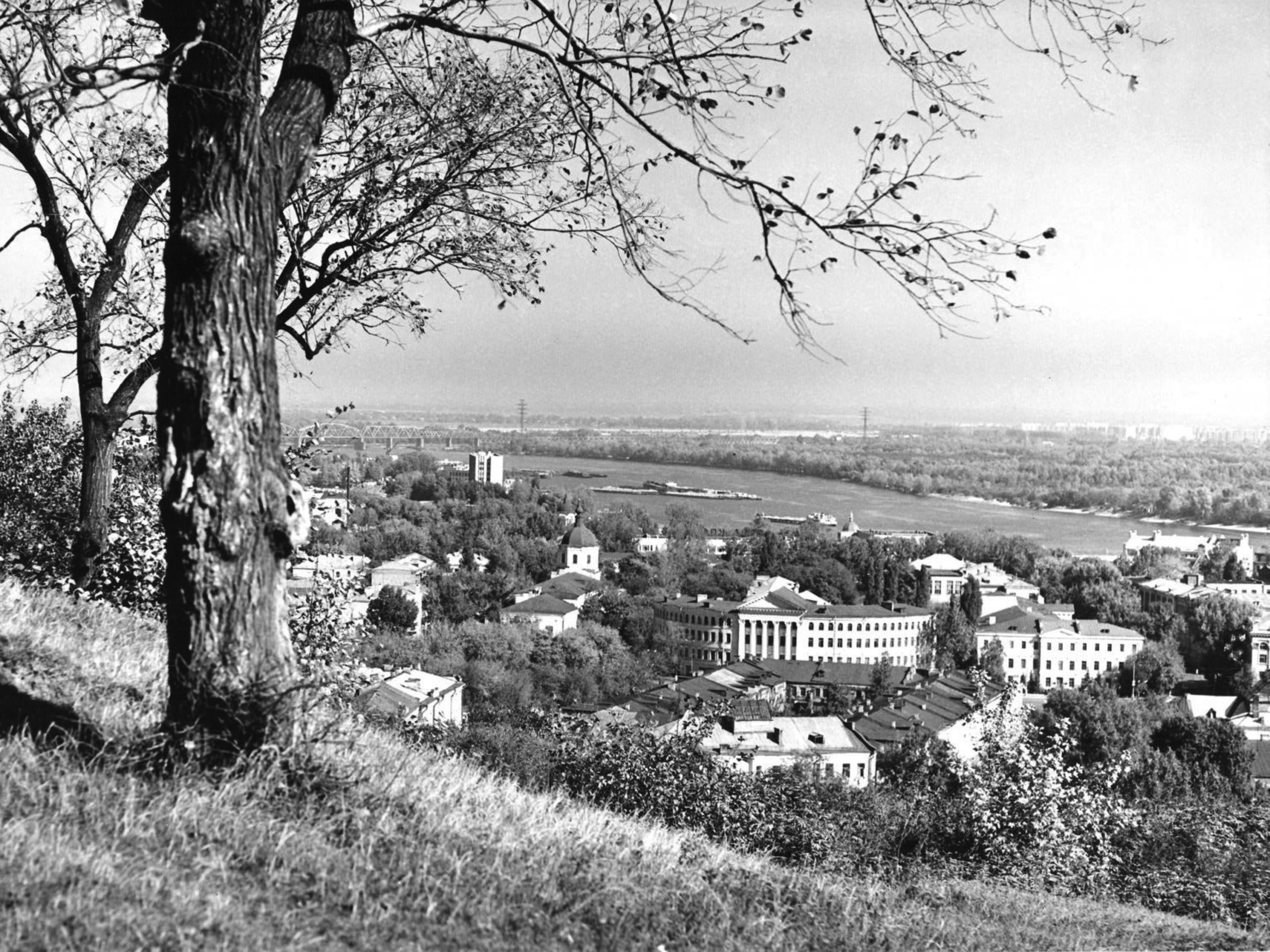
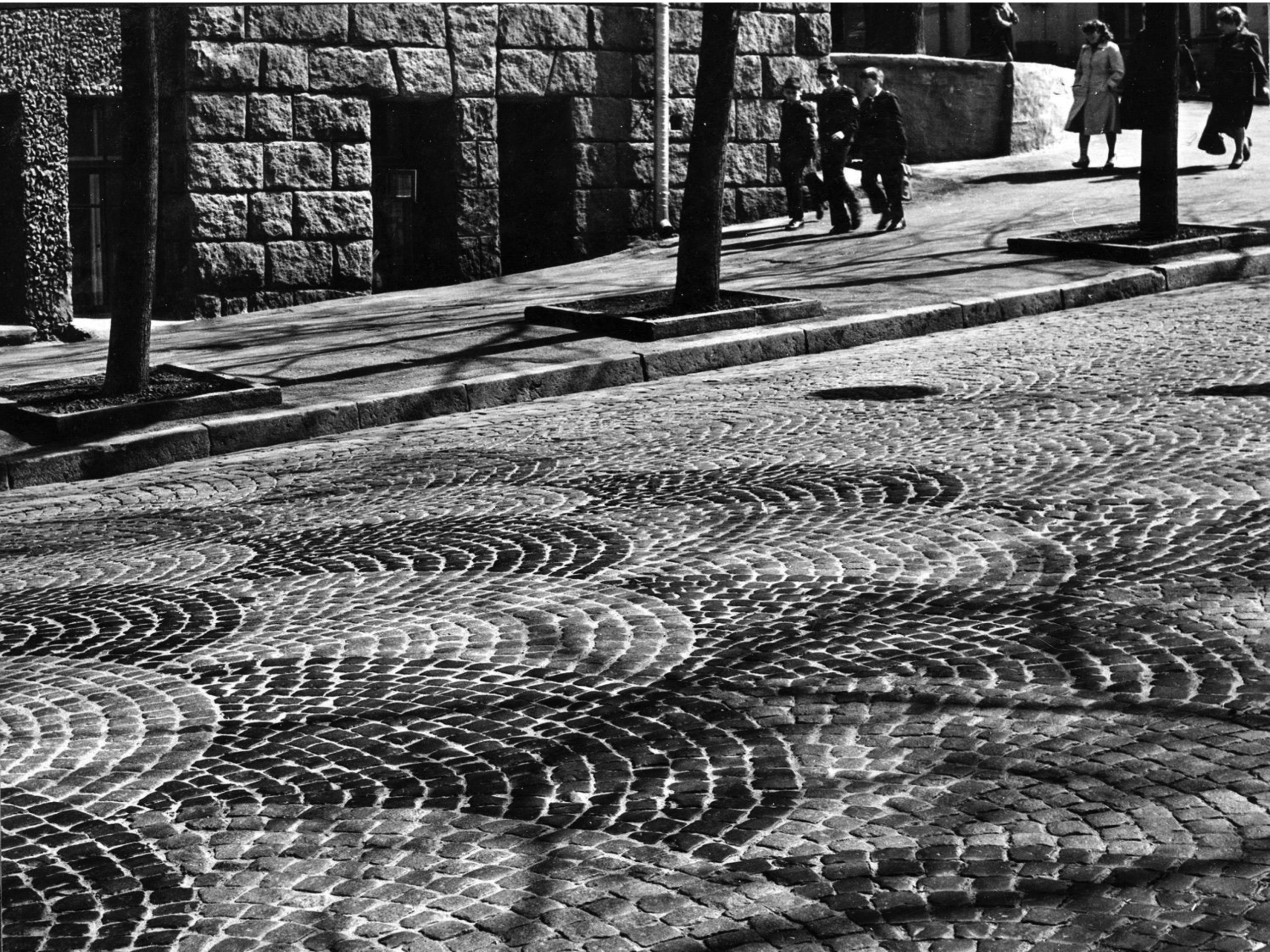
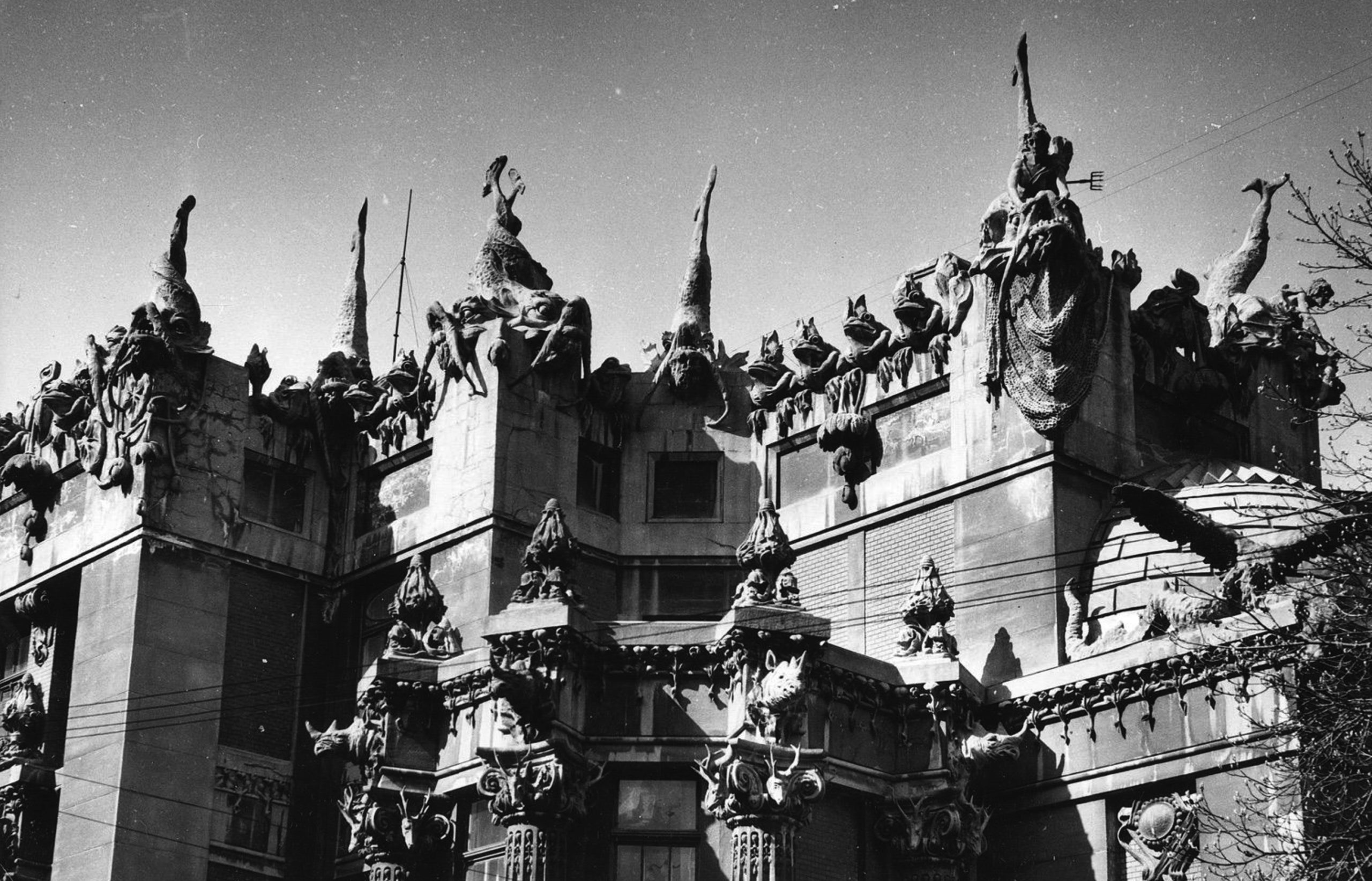
In most of Ranchukov’s works, an almost scientific, pedantic style of architectural photography is traced–the main type of his professional activity. He works with the fabric of the city, with the street as a reflection of the place’s history, its subconscious, and the socio-cultural processes that took place there. Ranchukov’s gaze is not detached, but it is also not a close-up that would aim to tell the story of an individual. He does not interfere in private space; there is no conflict, and even direct contact with the subject. The composition is never accidental; it is always carefully built and balanced; his photographs are very comfortable to contemplate. At the same time, while working professionally and skillfully as an architectural photographer, he was also a sensitive and attentive observer of the social and human.[4]
It is crucial to highlight that Ranchukov personally printed his own photographs, a process in which he was regarded as one of the best in the country, renowned for his exceptional professionalism. For him, the act of printing was an integral part of the photographic process itself. He viewed photography as a completely authorial endeavour, where no one but the photographer should intervene. Often, he would dedicate an entire day to experimenting with different techniques and combinations to achieve the perfect print for sale, demonstrating his meticulous attention to detail and his commitment to the craft.
In parallel with his work at the Institute, he also did his own author’s projects (Mikhail Bulgakov’s Kyiv[5], his photographs were repeatedly published in various architectural magazines (Architecture of the USSR[6], Construction and Architecture[7]) and photo albums (Architectural face of Kyiv [8]). Once, when I visited him, among the books on his shelf, I found a manuscript of an unfinished photo album devoted to Kyiv. This album was supposed to be published, but was never issued due to the collapse of the USSR. The quality of the layout and photos, and, more generally, the fact that the whole thing was laid out using exclusively analogue methods, made me extremely excited on the one hand and, on the other, disappointed that it was never published. We spent several years with Oleksandr going through the layout, scanning materials and trying to create a new version of this book, but in digital form. I am happy to say that we finally succeeded, and the book was published under the title Above the Roofs: Kyiv: City and Time[9] by Sky Horse. As a result of my work on this book, I must emphasize that for Ranchukov, the meticulous archiving of his negatives and prints was an essential part of his artistic process. When he passed away in 2019, he left behind a perfectly preserved archive, with each negative carefully stored in its own envelope, labelled with details such as the location of the shoot, the year, and sometimes even the names of the project’s authors. Thankfully, this invaluable archive is now in the possession of Oleksandr’s daughter, and, according to Oleksandr’s will, it will eventually be transferred to the Volodymyr Zabolotny State Scientific Research Library of Architecture and Construction, the principal research centre for Ukrainian architecture. This ensures that his legacy and contribution to the field will be preserved and accessible for future generations.
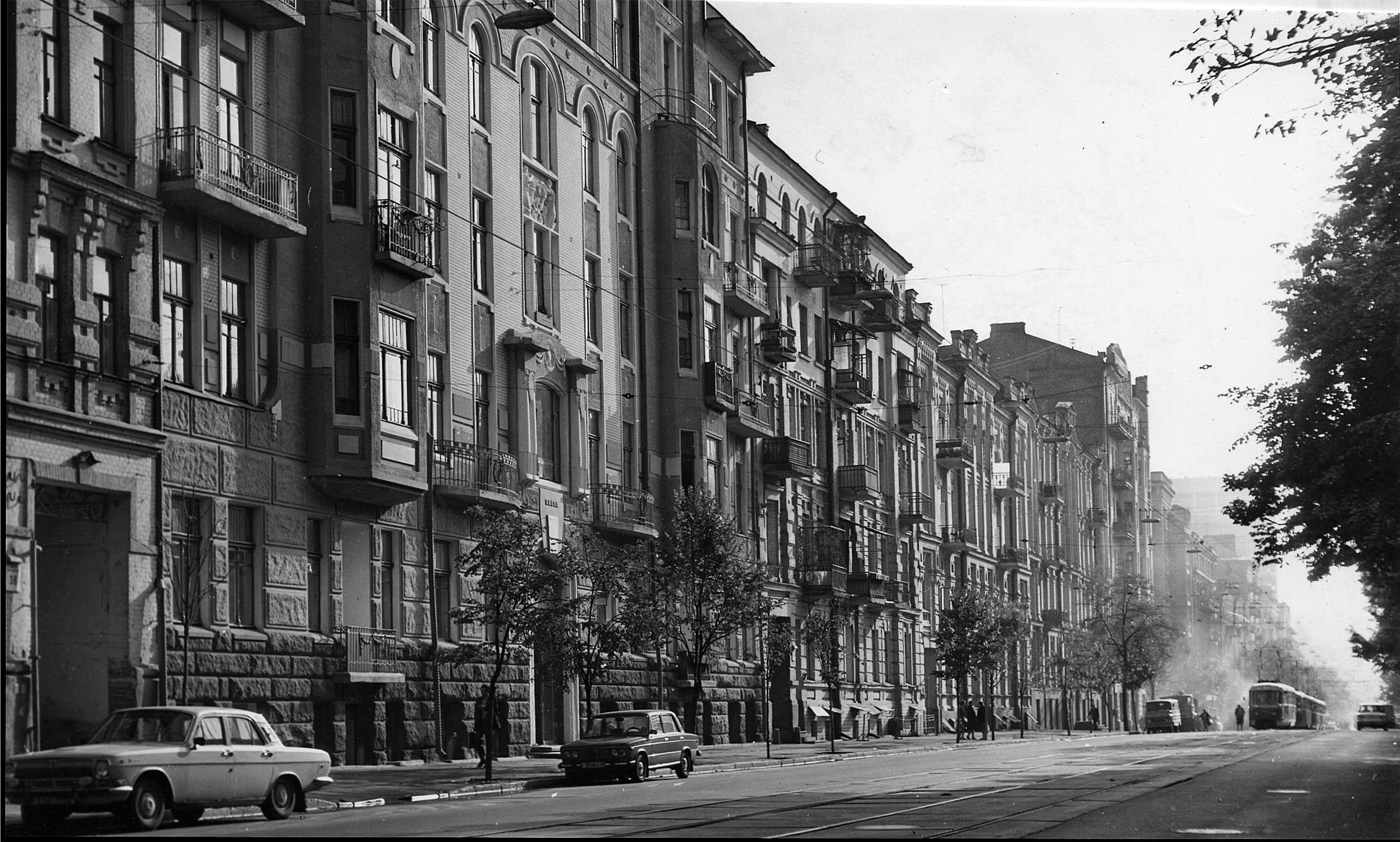
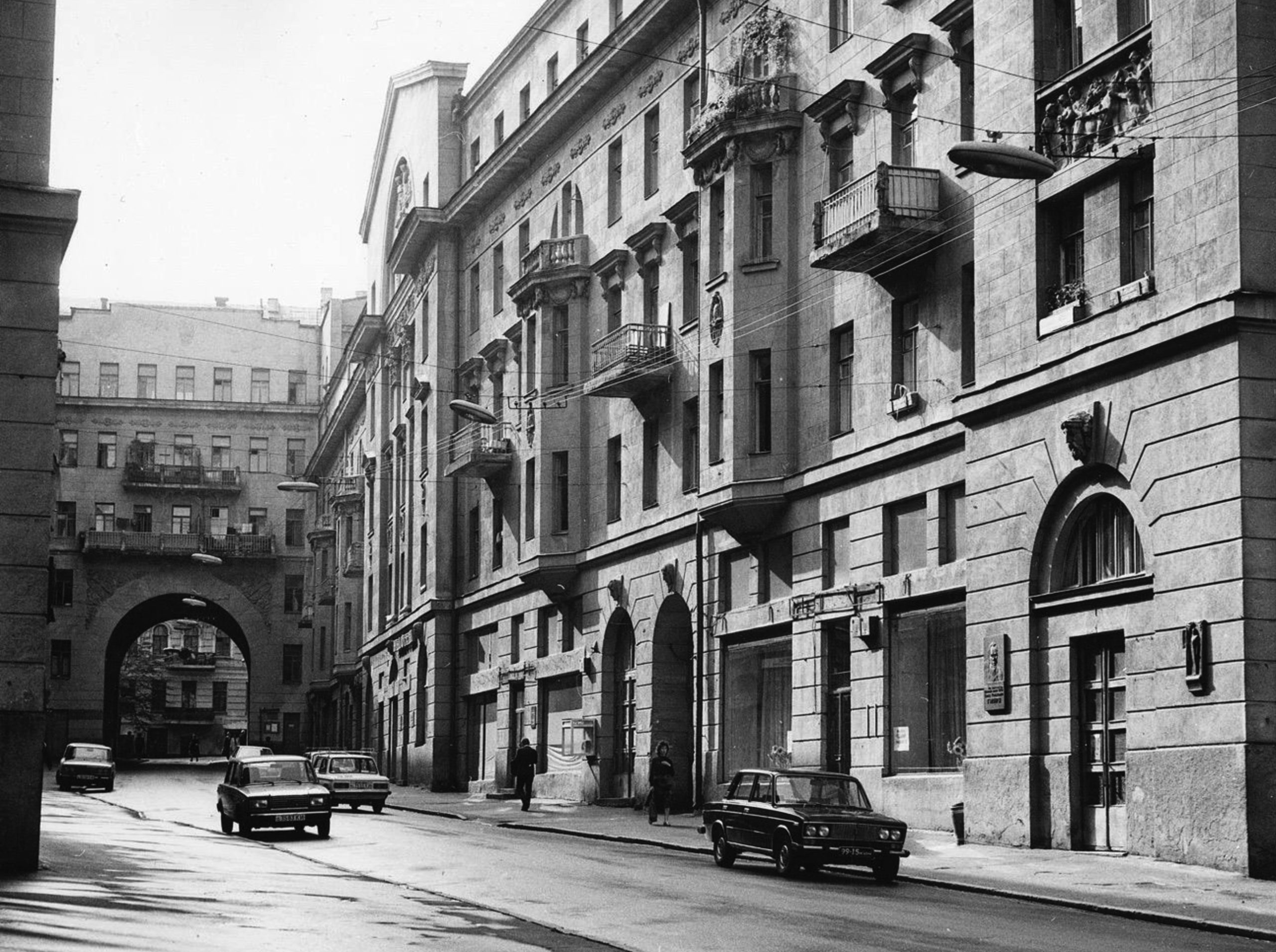
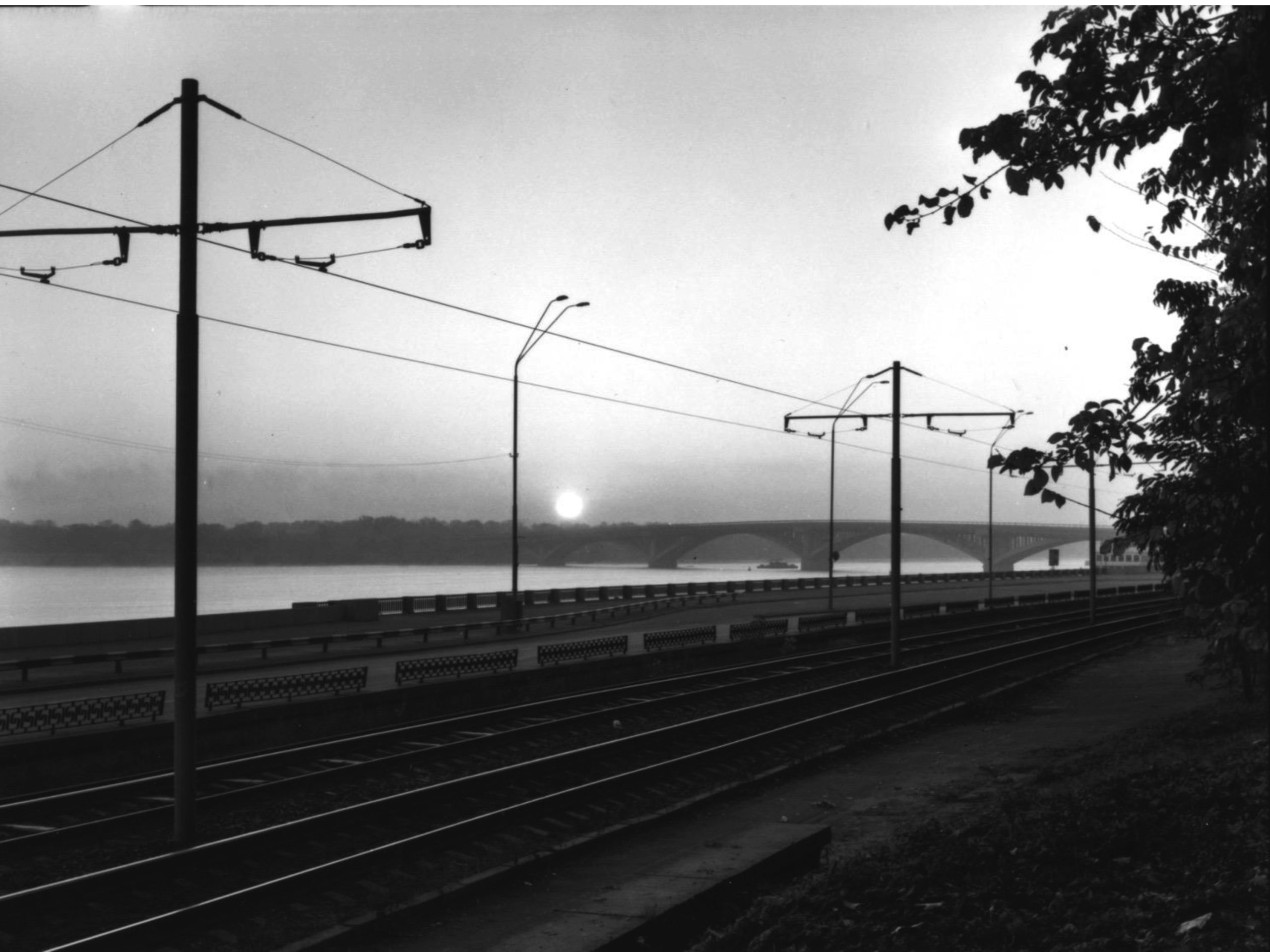
In conclusion, the study of the Soviet era through the prism of architectural photography reveals a unique and compelling avenue of exploration that offers significant insight into the cultural, political, and social dynamics of the time. Architectural photography, as a distinct field, emerges as an intricate fusion of two art forms – architecture and photography – that together form a new, complex dimension. This composite art form presents a particular challenge, as it requires specialized knowledge to decode the layers of meaning embedded in each photograph. These images are not simply visual representations of buildings, but intricate documents that encapsulate the ideals, aspirations, and contradictions of the Soviet era.
However, the ability to engage with these images meaningfully is contingent on access to the necessary archival resources – an endeavour that proves challenging amid Ukraine’s historical turmoil. The scattered and fragmented nature of the archives, coupled with the turbulent shifts in political and social landscapes, makes reconstructing this historical mosaic a painstaking and complex process. Nonetheless, this effort is not only necessary but urgent. Archival materials are vulnerable, and the risk of their loss or degradation emphasizes the importance of timely intervention in preserving them for future generations. While the task may appear daunting, the existence of mapped pathways and identifiable repositories provides a critical foundation for this work, offering a starting point for researchers and archivists.
It is important to note that the scope of this article is limited to the situation in Kyiv. Attempting to encompass the entirety of Ukraine would indeed be an enormous and resource-intensive undertaking, but this does not diminish the significance of the challenge. On the contrary, the task’s vastness and complexity make it all the more imperative to persist. The effort required to undertake such a comprehensive survey reflects not only the material’s historical importance but also its potential to shed new light on the broader narratives of Soviet architecture, urbanism, and culture.
Ultimately, the fruits of this labour will yield invaluable insights into three interwoven domains – architecture, photography, and Ukrainian history. The process of preserving and analysing these archives will not only enrich our understanding of Soviet-era architecture but also illuminate the ways in which visual culture both reflected and influenced societal values and ideologies. In this respect, the study of architectural photography offers an indispensable lens through which to view the Soviet period, providing nuanced and multifaceted perspectives on a time and place that continue to shape contemporary discussions of identity, history, and culture in Ukraine. The significance of these efforts extends far beyond the academic realm, contributing to the collective memory of a nation and ensuring that the complexities of its past remain accessible to future generations.
[1] Since the early 2000s, Ukrainian company Sky Horse has produced more than 500 titles across various media: printed and electronic books, multimedia encyclopaedias and casual games on CD/DVD, mobile applications, informational websites and audiobooks. One of its main focuses is publishing books about Kyiv and its history.
[2] Volodymyr Falin’s introductory text to the photobook Kyiv. It Wasn’t That Long Ago: 1973–1995.
[3] Sergey Kilesso, Architectural face of Kyiv (Budivelnyk, USSR, 1987)
[4] Curatorial statement for the exhibition Oleksandr Ranchukov’s Photo Archive (Mala Gallery of Mystetskyi Arsenal, Kyiv, 2021).
[5] Oleksandr Ranchukov, Volodymyr Yakovlev, Kyiv.70-80’s., (Sky Horse, 2010).
[6] Dmytri Malakov, Anatoliy Konchakovsky, Mikhail Bulgakov’s Kyiv, (Mystectvo, 1990, 1993).
[7] Architecture of the USSR was an illustrated monthly magazine published in the USSR from 1933 to 1992. It was a printed magazine of the Union of Architects of the USSR and also of the State Committee for Civil Engineering and Architecture.
[8] Construction and Architecture was a Soviet architectural magazine, published in Kyiv, and focused mainly on Ukrainian architecture. From 1953 to 1955 it was published in Russian and Ukrainian languages under the name Architecture and Construction. In 1957 it changed its name to Construction and Architecture and began to be published in Russian. The magazine covered the issues of Soviet urban planning in Ukraine, housing, industrial and rural construction, standard design, theory and history of architecture and so on. It was published in Kyiv in the Budivelnyk publishing house.
[9] Oleksandr Ranchukov, Above the Roofs: Kyiv: City and Time., (Sky Horse, 2017).