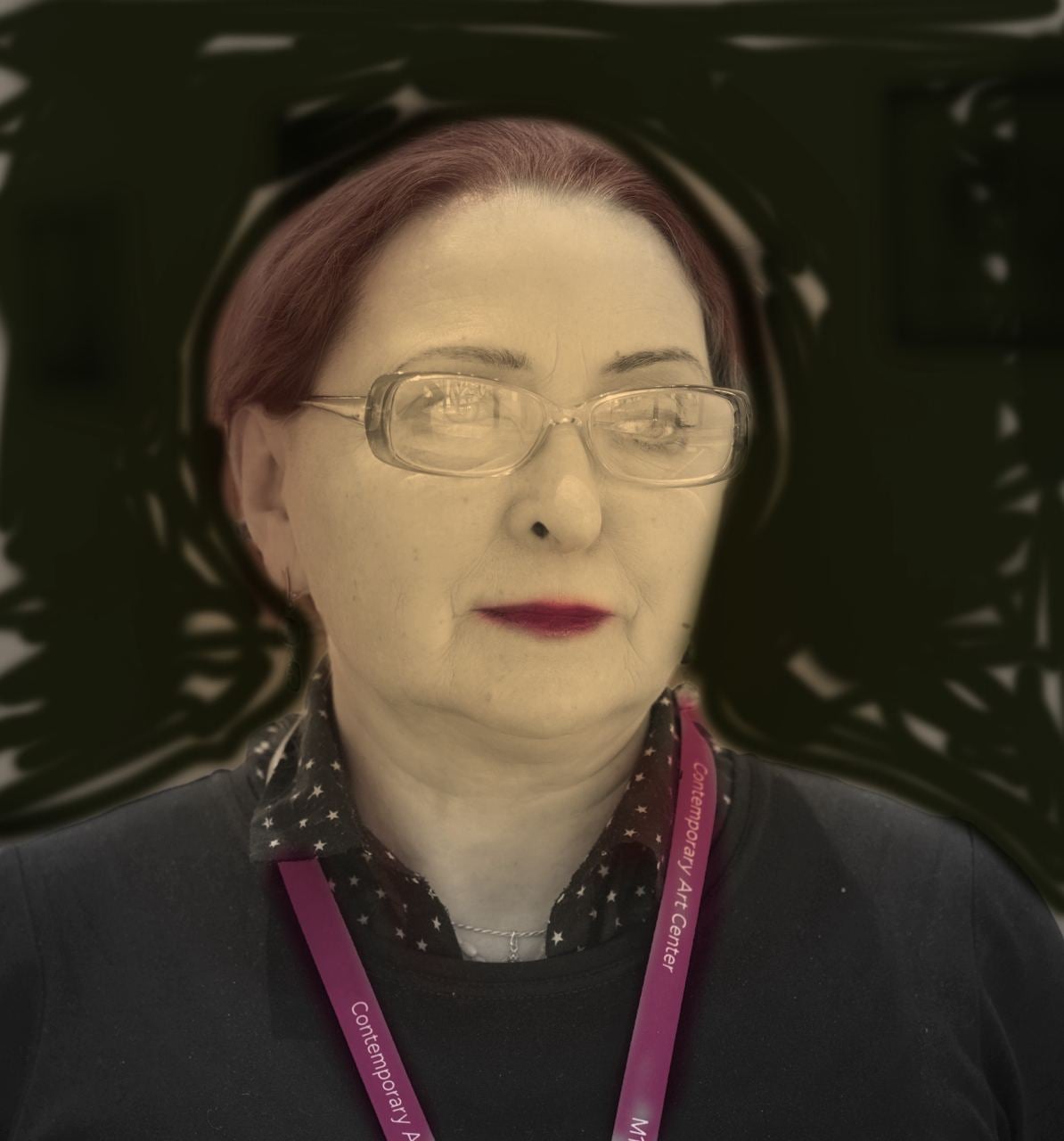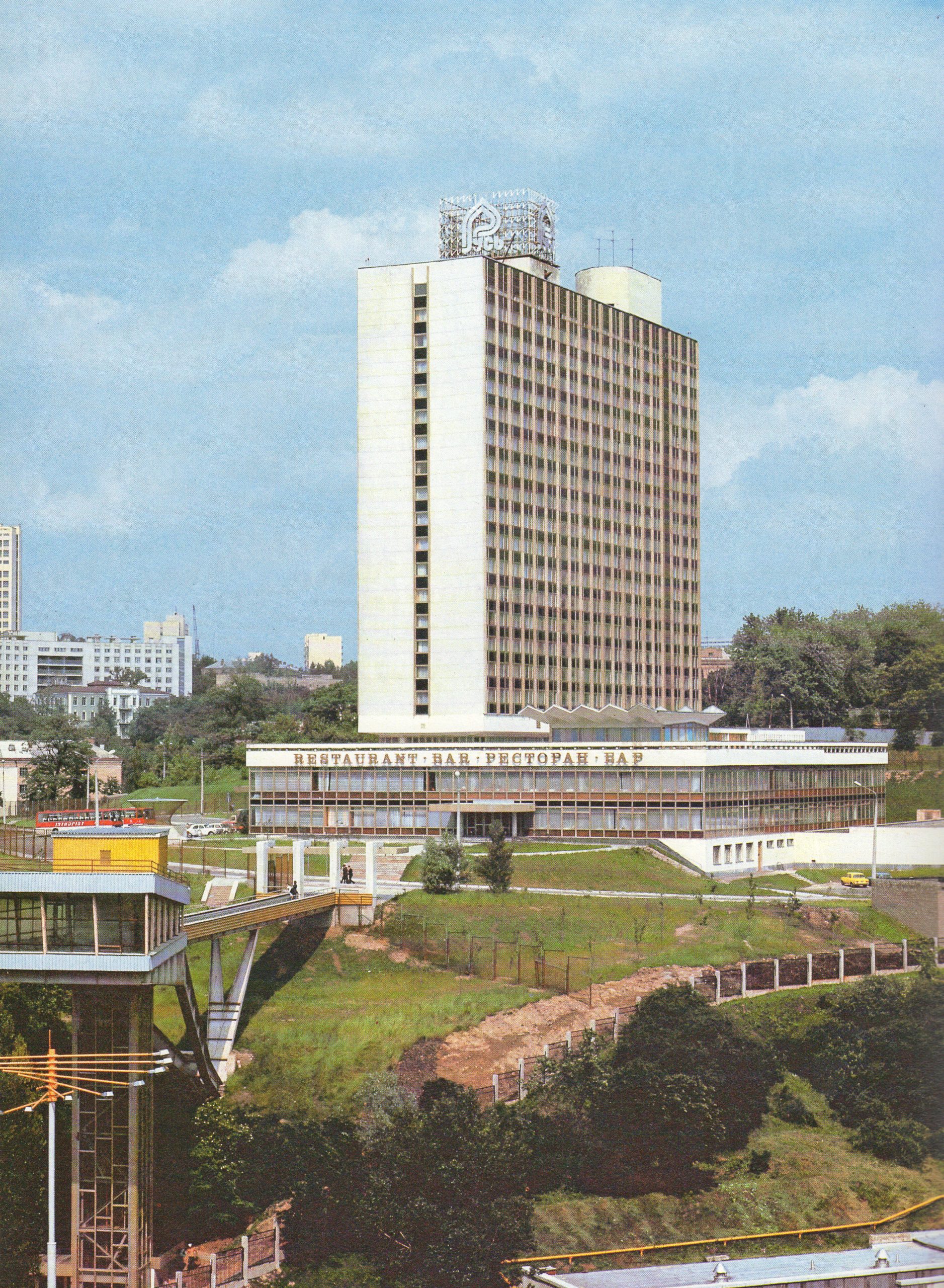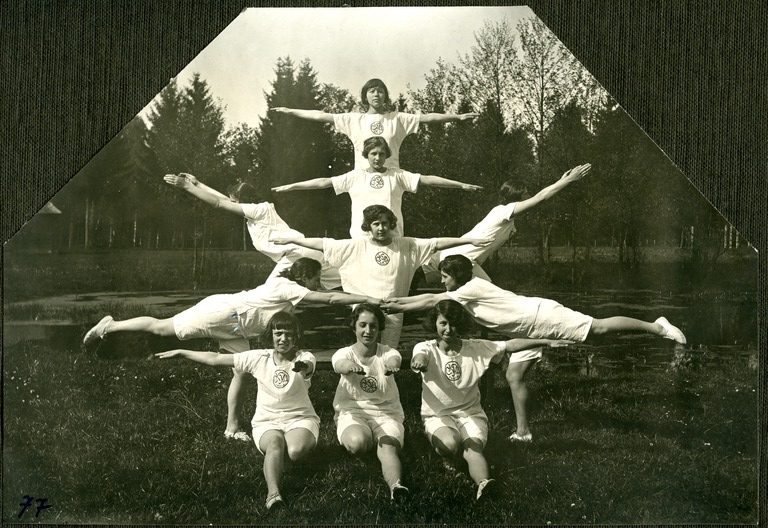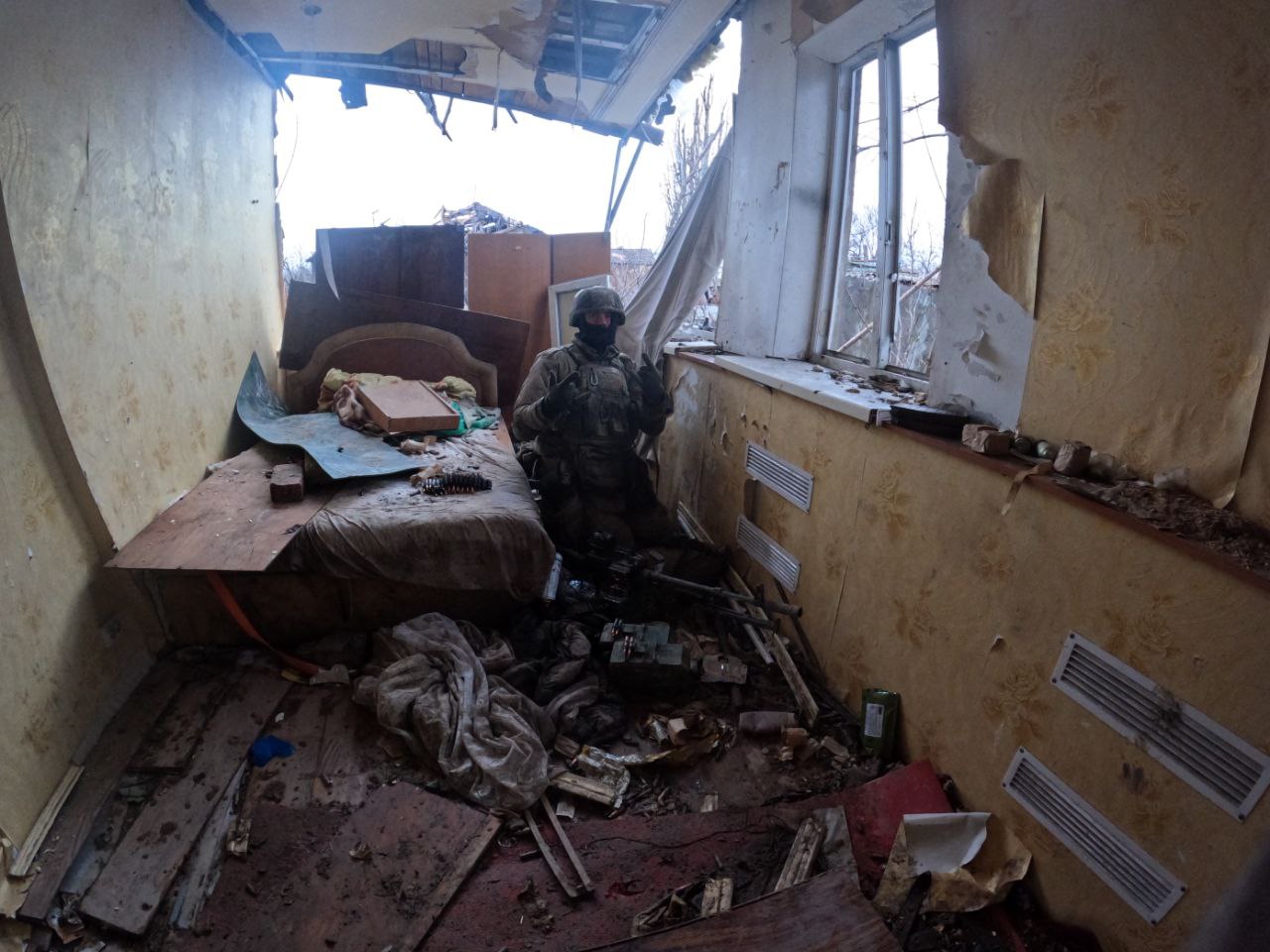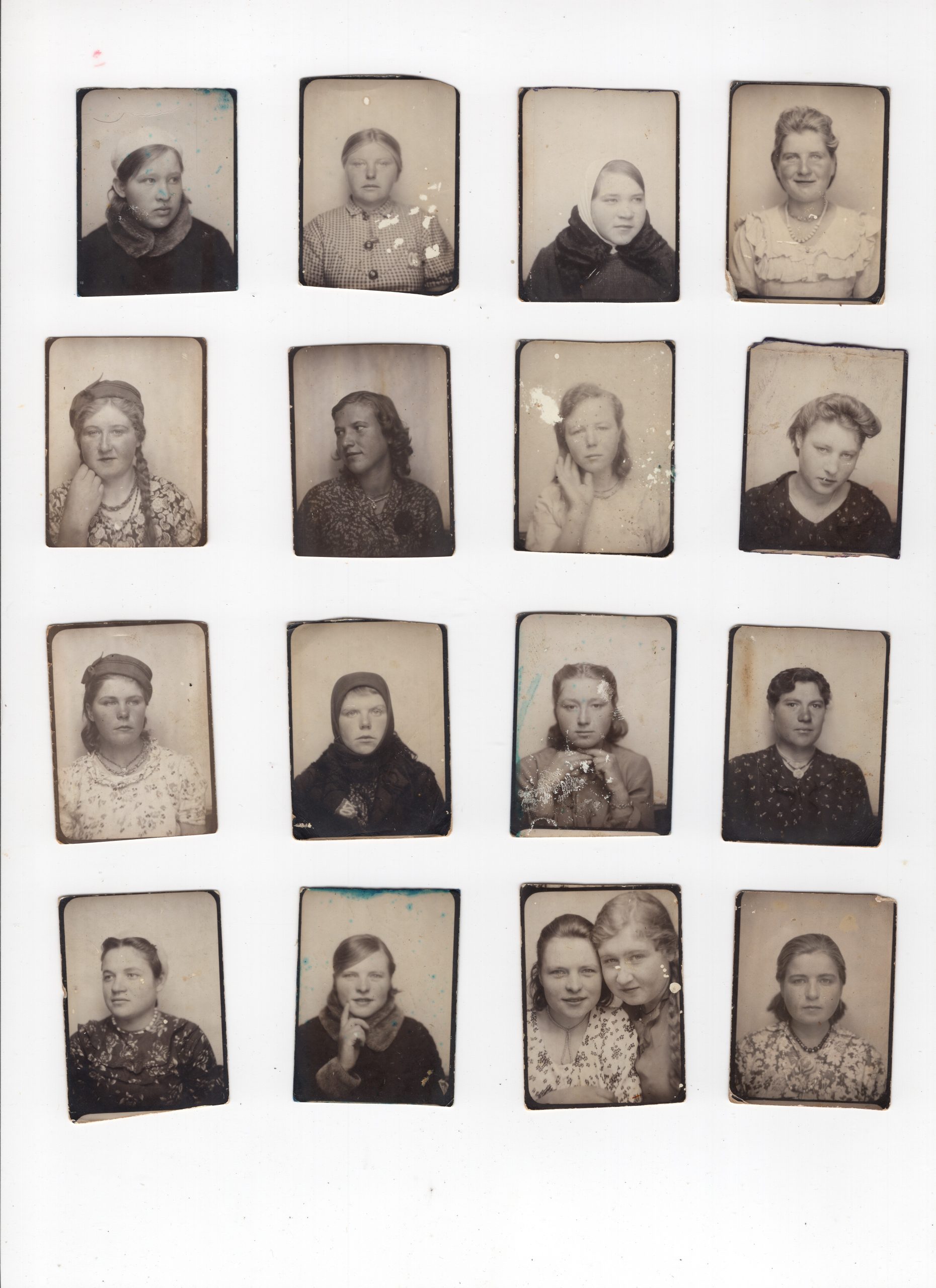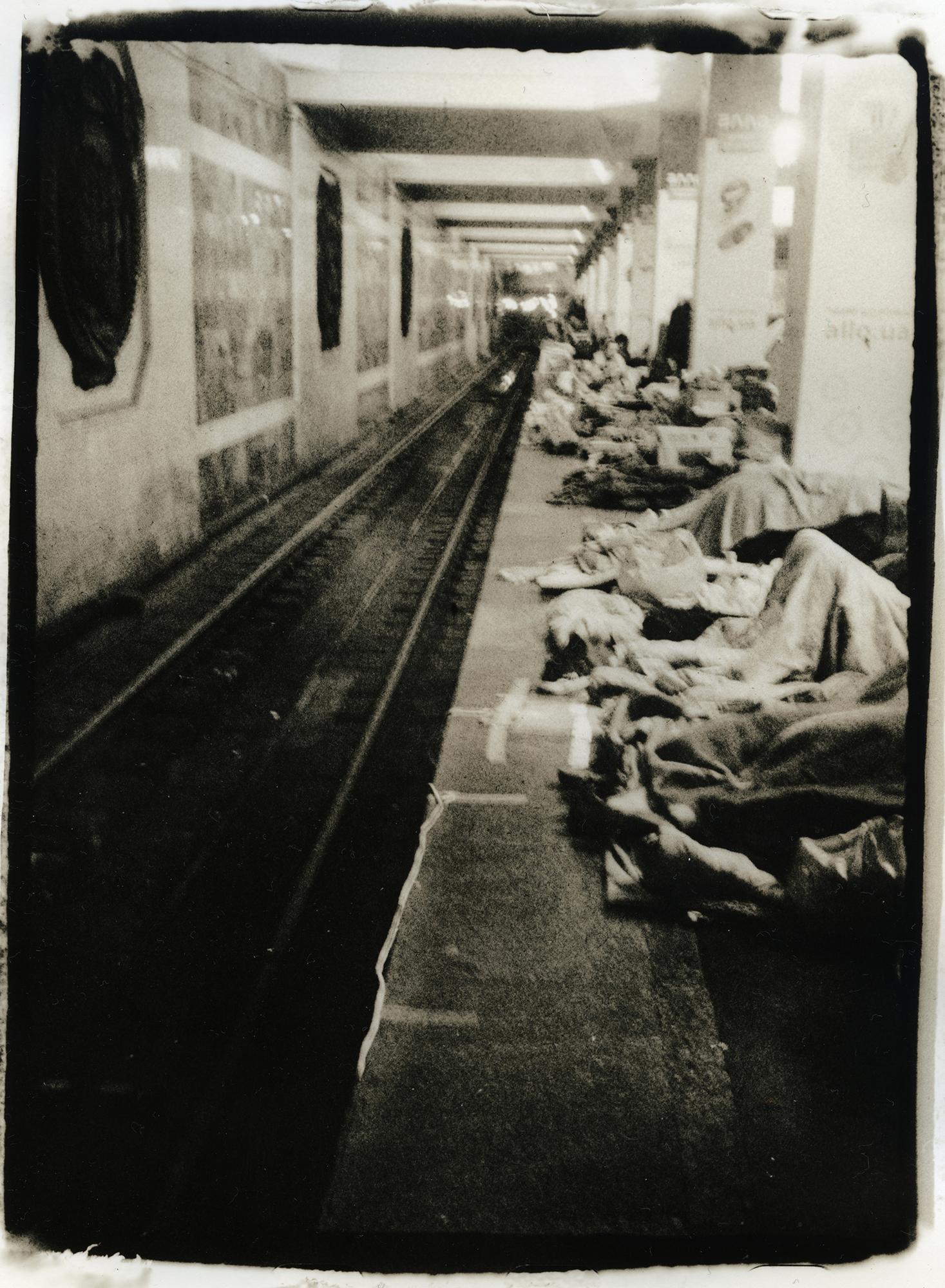
At first glance, these photographs belong entirely to the present war. Yet for someone familiar with the history of Kharkiv photography, they evoke an unexpected historical resonance. The underground has appeared before in this story – not as a bomb shelter, but as a cultural space. In the late 1980s, one of the most important artistic centres of the city operated from a basement in Saltivka, a residential district of Kharkiv. Known as Panorama, it became a gathering place for photographers, artists and critics seeking new forms of expression during the final years of the Soviet Empire. The coincidence is more than geographical.
Across different historical periods, Ukrainian photography repeatedly discovered spaces of freedom at the margins of official visibility: in darkrooms, basements, private apartments, informal exhibitions, independent galleries, protest camps and now bomb shelters. These spaces differ dramatically in their circumstances, yet they share a common function. They allowed alternative forms of seeing, speaking and imagining to emerge.
This essay proposes to read the history of Ukrainian photography through the notion of freedom – freedom as a practice of perception. From the underground culture under the pressure of a totalitarian regime to contemporary photographic responses to war, photography has served as a medium through which individual autonomy could be experienced, negotiated and defended.
The Darkroom and the Production of the Subject
The origins of this story can be found in a seemingly technical circumstance. In Soviet society, photography occupied a peculiar position. It was simultaneously integrated into official culture and partially detached from it. Photography clubs, amateur studios and cultural institutions formed part of the state’s infrastructure. Yet the photographic process itself created opportunities for privacy unavailable in many other domains of everyday life.
The darkroom was one such space. Its isolation was technologically necessary but culturally significant. In a society characterized by collective rituals and ideological visibility, the darkroom offered temporary withdrawal. It legitimized solitude. It created conditions for concentration, experimentation and imagination.
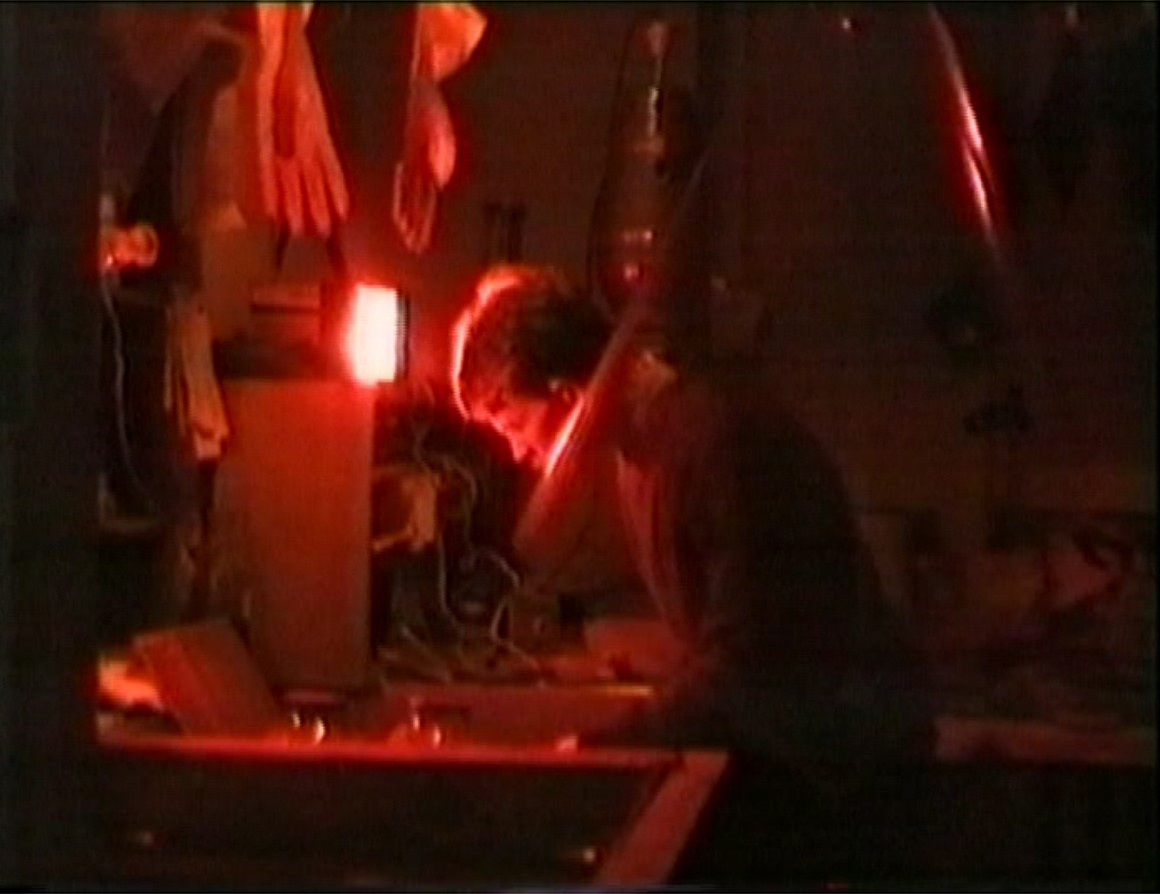
The photographer occupied a similarly ambiguous social position. During official ceremonies, parades or political gatherings, he was permitted mobility unavailable to ordinary participants. While others performed prescribed roles, the photographer moved around the scene, changing viewpoints and observing from a distance. This distance was more than practical. It encouraged the formation of an autonomous gaze. Photography, then, functioned primarily as a mechanism for creating subjectivity. It allowed individuals who were participants in a collective reality to feel like observers capable of interpreting it. The emergence of the Kharkiv School of Photography should be understood within this broader context.
Kharkiv and the Return of the Repressed Avant-Garde
When the Kharkiv Regional Photo Club was established in 1965, it became part of a Soviet system designed to organize amateur creativity. Yet it emerged in a city marked by a particular historical memory.
During the 1920s, Kharkiv became one of the capitals of the world avant-garde. Artists associated with experimental modernism transformed visual culture through radical investigations of form, perception and social space. Stalinist repression largely destroyed this environment, interrupting its development for decades. By the 1960s, little of that tradition survived institutionally. Yet traces remained embedded in the city itself – in its architecture, cultural memory and artistic imagination.
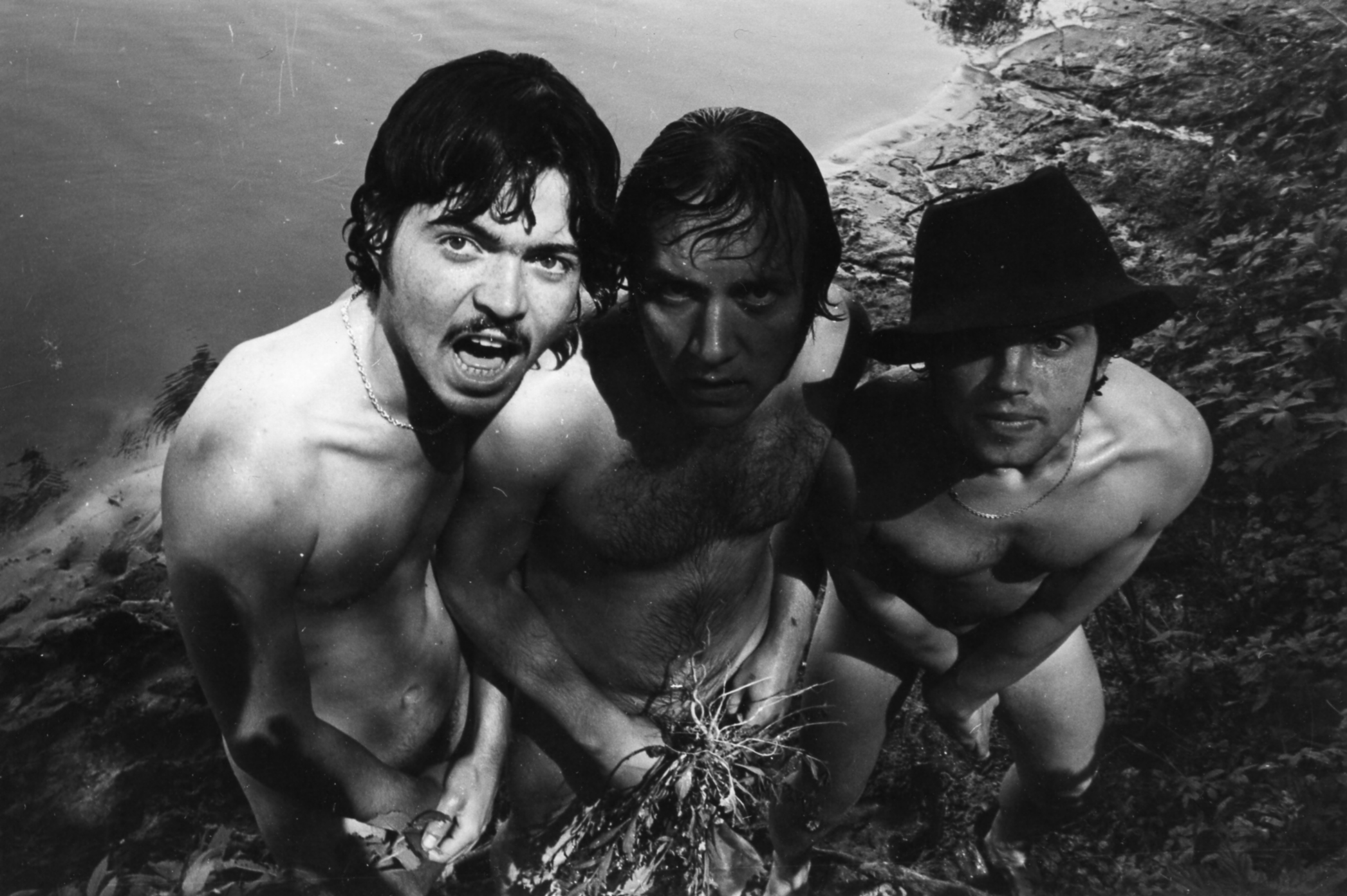
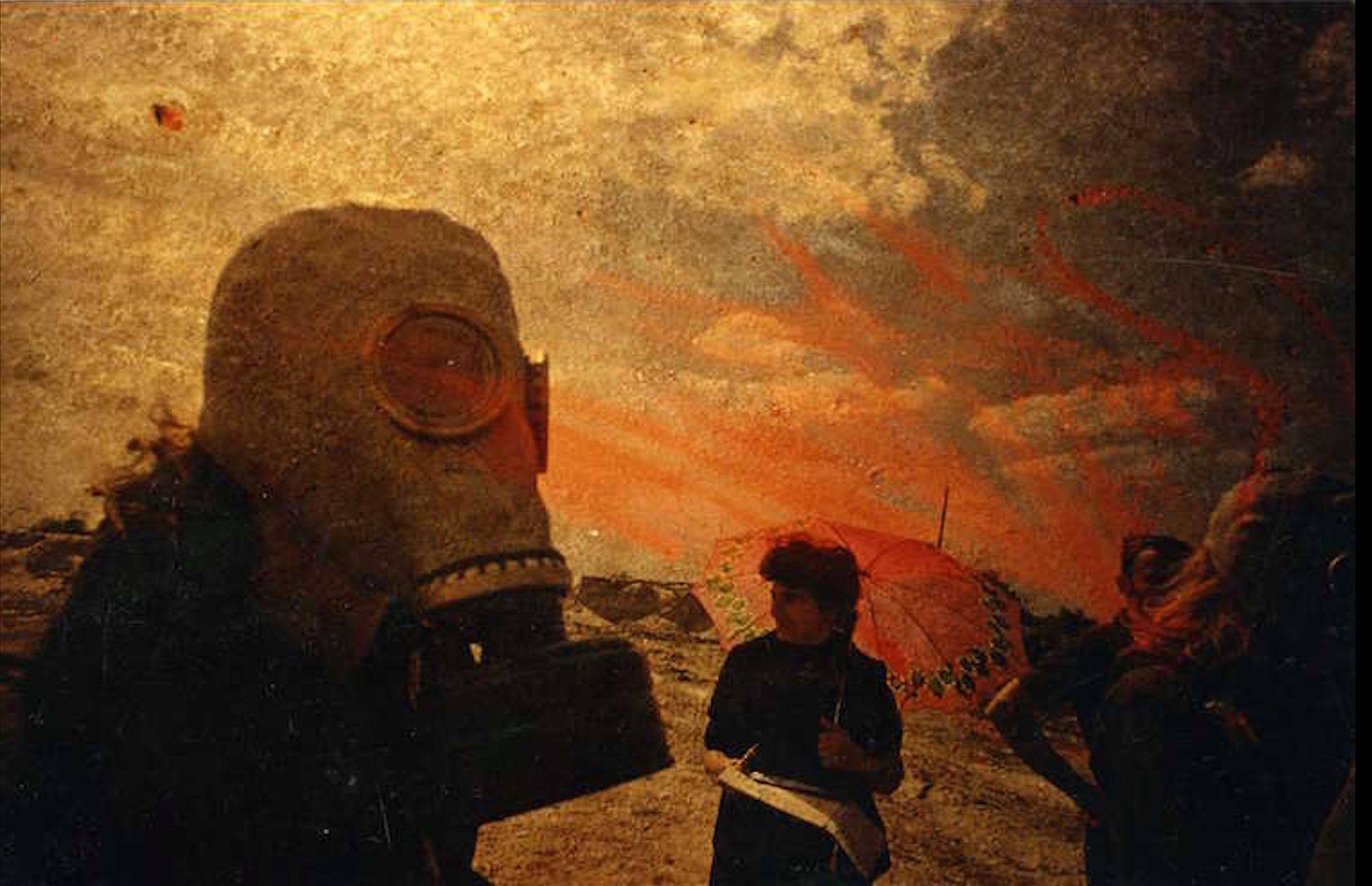
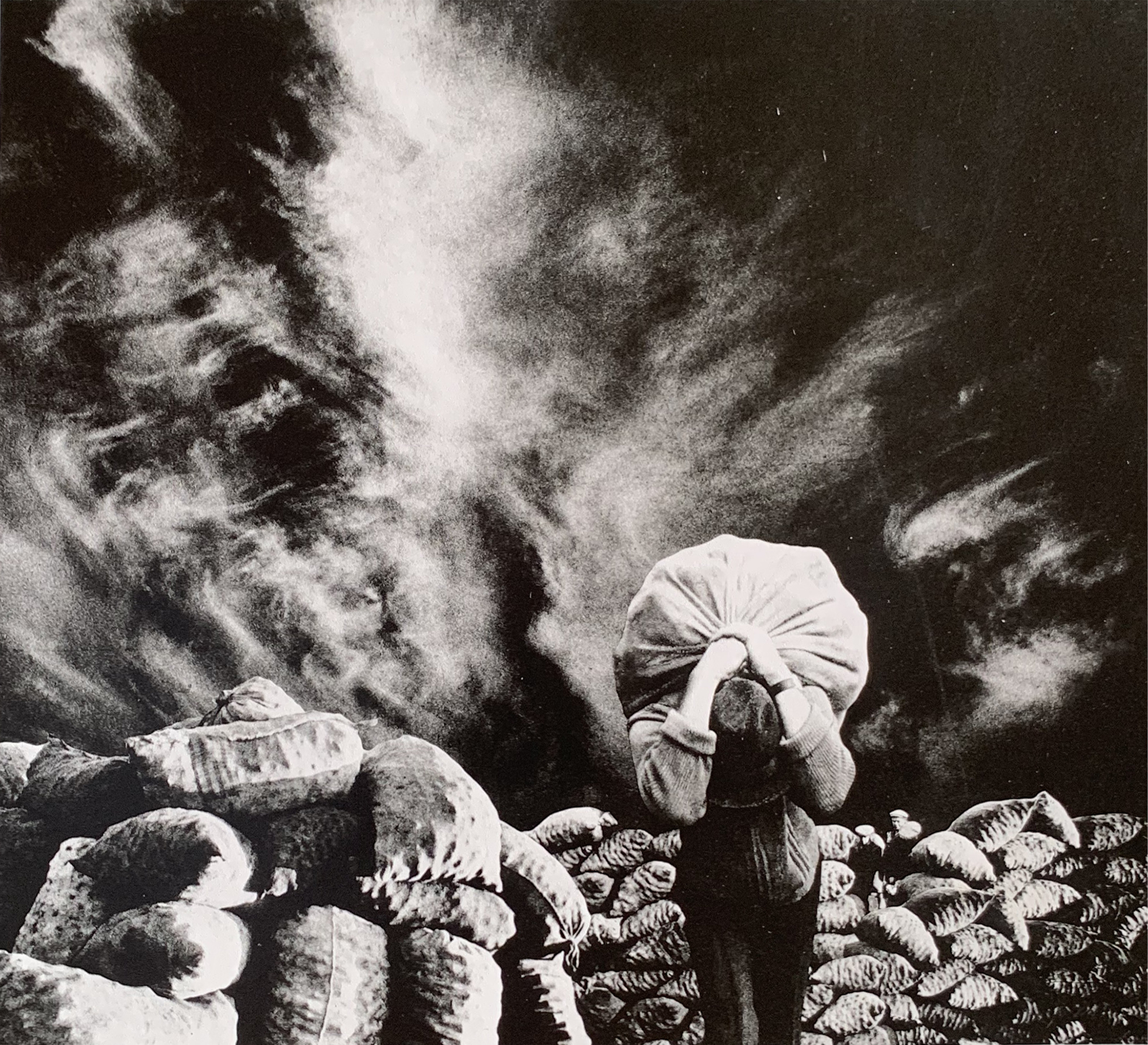
The paradox of the Photo Club lies precisely here: an institution designed for cultural regulation became the site where dormant avant-garde impulses reappeared. Within this environment, the Vremya Group emerged (Evgenіy Pavlov, Yuriy Rupin, Boris Mikhailov, Oleg Maliovany, Gennady Tubalev, Oleksandr Suprun, and others). Тheir photographs rejected the optimism, transparency and ideological clarity characteristic of official Soviet imagery. Instead, they cultivated ambiguity, excess, fragmentation and contradiction.
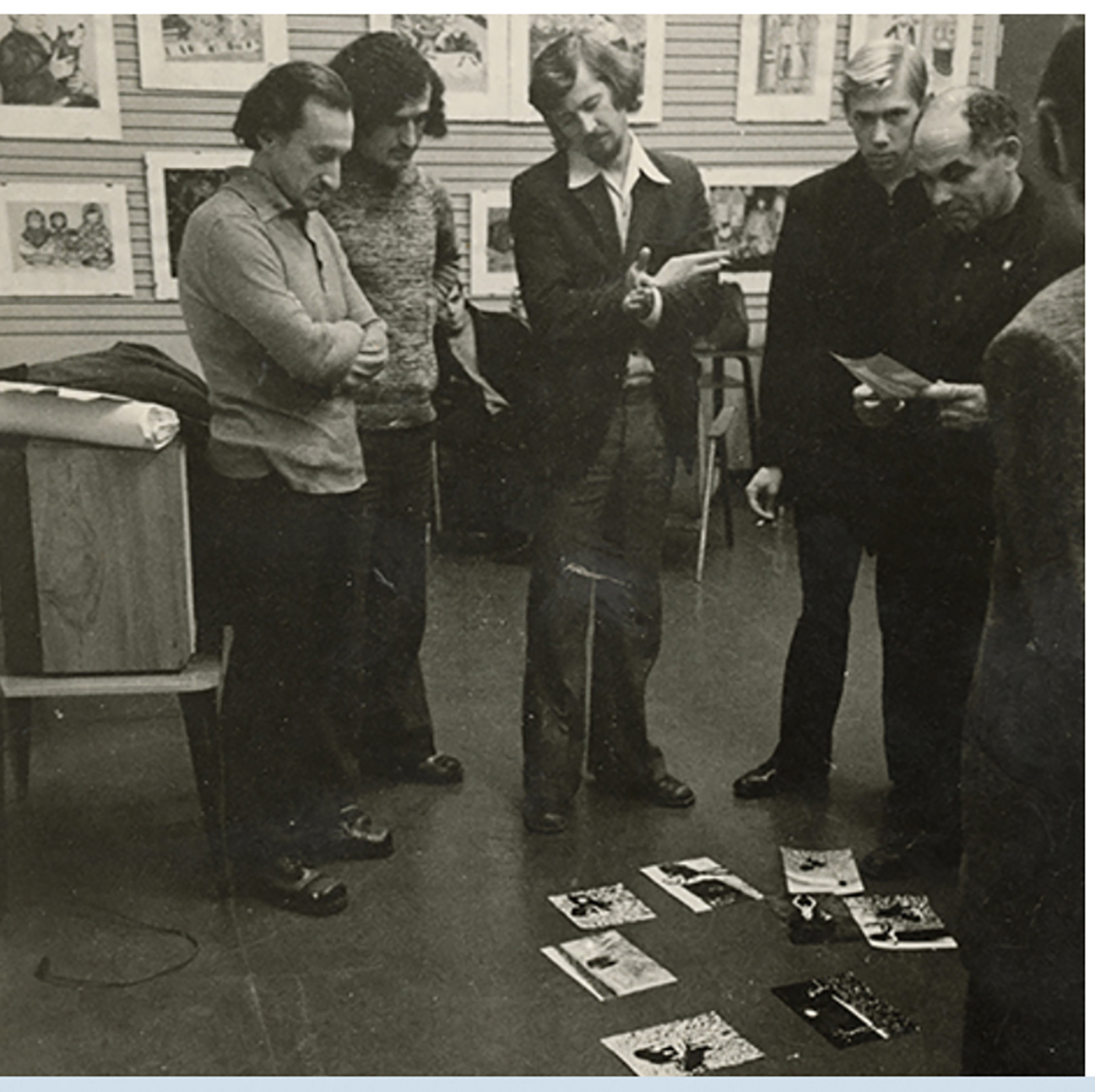
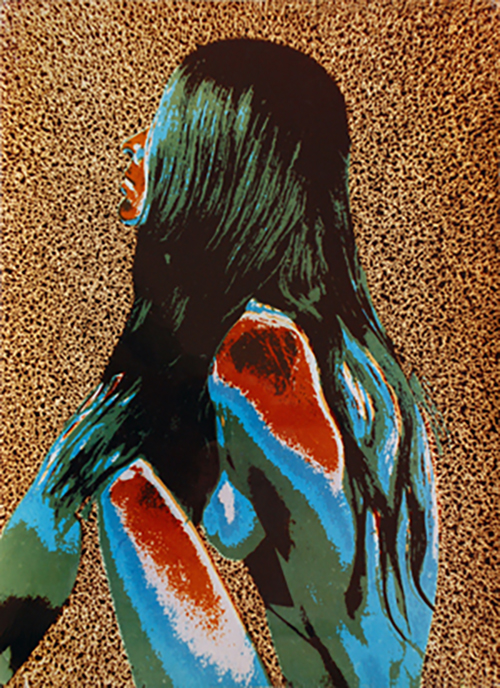
Reality ceased to appear coherent. It became layered, unstable and internally conflicted. Boris Mykhailov, Evgeniy Pavlov and their colleagues developed visual strategies based on montage, seriality and double exposure. Images were cut apart, superimposed and reassembled. The world was no longer represented; it was reconstructed. This reconstruction represented an attempt to expose dimensions of experience excluded from official representation: vulnerability, desire, absurdity, violence and uncertainty.
The Baltic Encounter and the Recognition of a Shared Energy
An important catalyst in this process was the encounter with Baltic photography. For Kharkiv photographers, contact with Lithuanian, Latvian and Estonian authors represented less a process of influence than one of recognition. They encountered visual approaches that resonated with questions already emerging within their own practice.
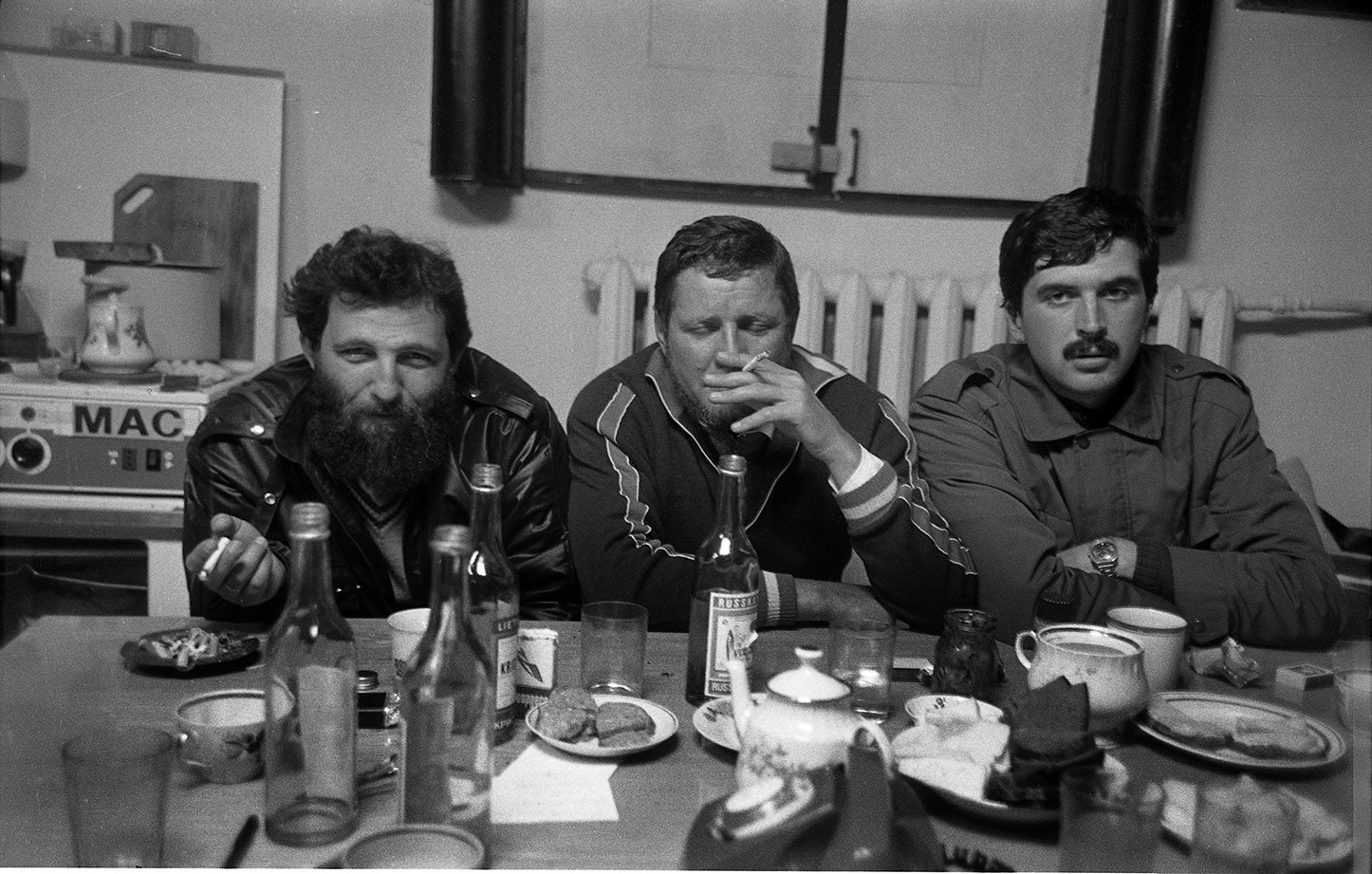
The exhibition by Vitas Lutskus, which found its way to the Kharkiv Photo Club through underground channels in late 1969, became particularly memorable. According to Evgeniy Pavlov, it contributed to the movement towards a wide-angle lens and a broader perceptual horizon. What mattered was not a specific technique or iconography. Rather, it was the discovery that photography could embrace instability and contradiction rather than suppress them. One might describe this shift through the figure of the trickster – a cultural archetype simultaneously associated with creation and disruption. Such figures appear throughout Baltic and Ukrainian folklore alike, embodying forms of freedom that emerge precisely at the boundaries between order and chaos. The photographs of the Vremya Group increasingly occupied this liminal territory.
Cycles of Rupture
By the mid-1970s, conflict with official institutions had become unavoidable. The departure of the Vremya Group from the Photo Club in 1976 marked the first major rupture. Yet what followed was not liberation but repetition. Again and again, photographers attempted to construct new institutional frameworks capable of sustaining independent artistic activity. Again and again, those frameworks encountered structural limits.
The House of Scientists, alternative exhibitions, new clubs, experimental associations – each reproduced a similar trajectory. Initial openness generated innovation. Innovation generated conflict. Conflict produced collapse. This recurring pattern resembles what Yuri Lotman described as a cultural explosion: a moment when accumulated tensions disrupt existing systems and create new possibilities.
The Vremya Group repeatedly acted as the catalyst for such explosions. Their artistic radicalism exposed the limits of every institutional arrangement they entered.
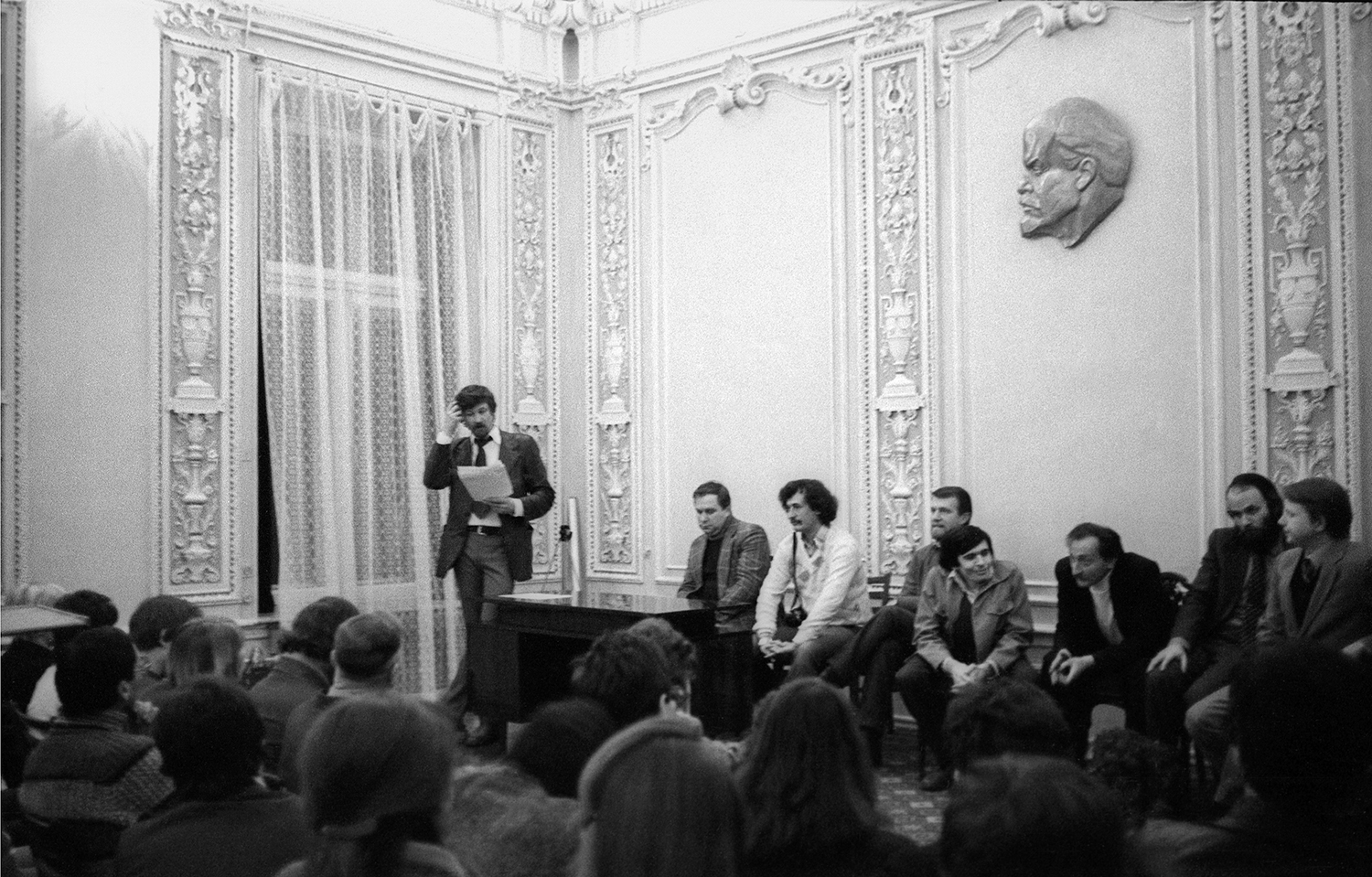
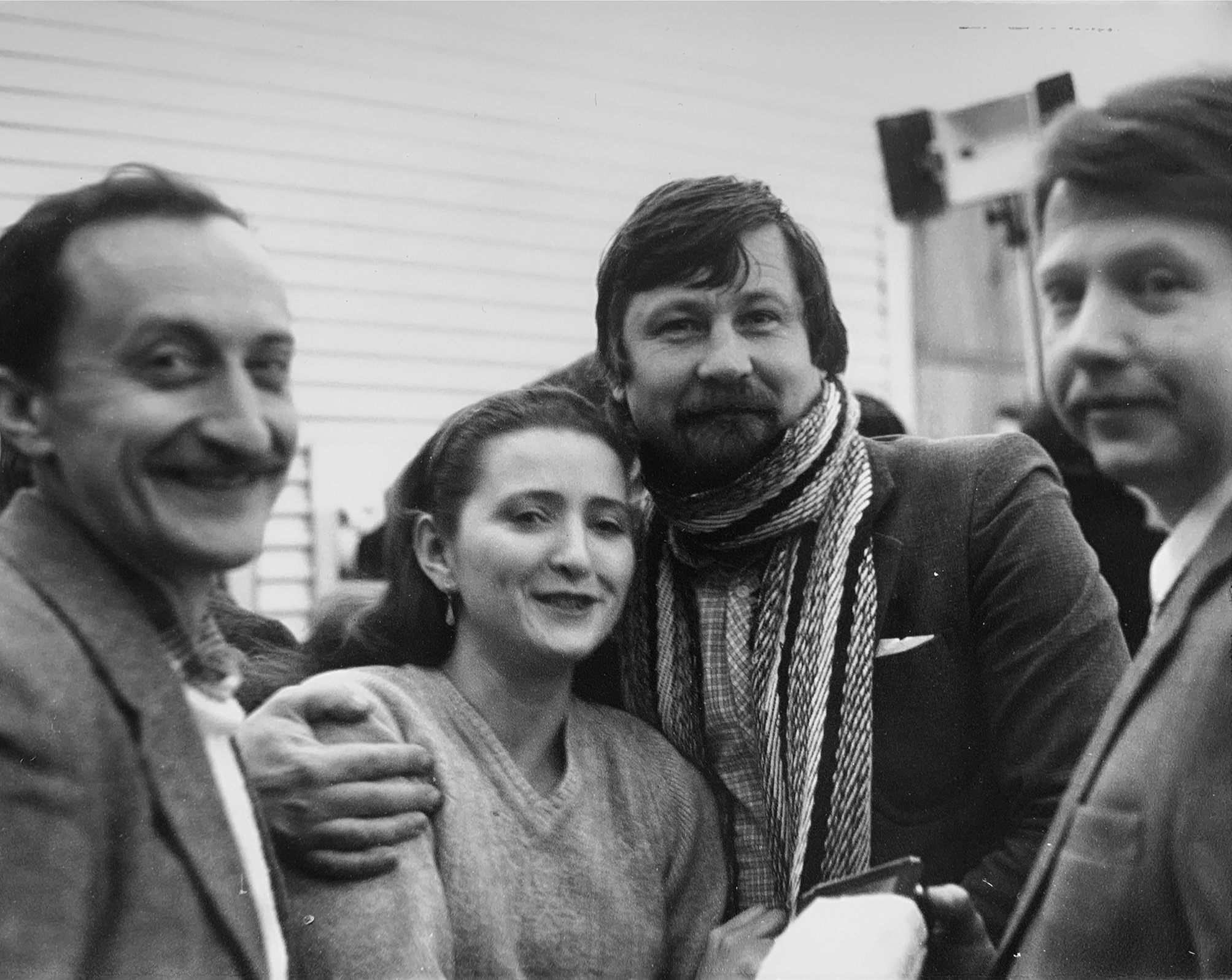
Panorama: The Peak of the Club Utopia
The most ambitious attempt to resolve this contradiction was Panorama, founded in 1987 by Leonid Zaslavsky. For the first time, Kharkiv photographers gained access to funding, infrastructure, and institutional legitimacy. International contacts expanded, exhibitions travelled abroad, and publications became possible.
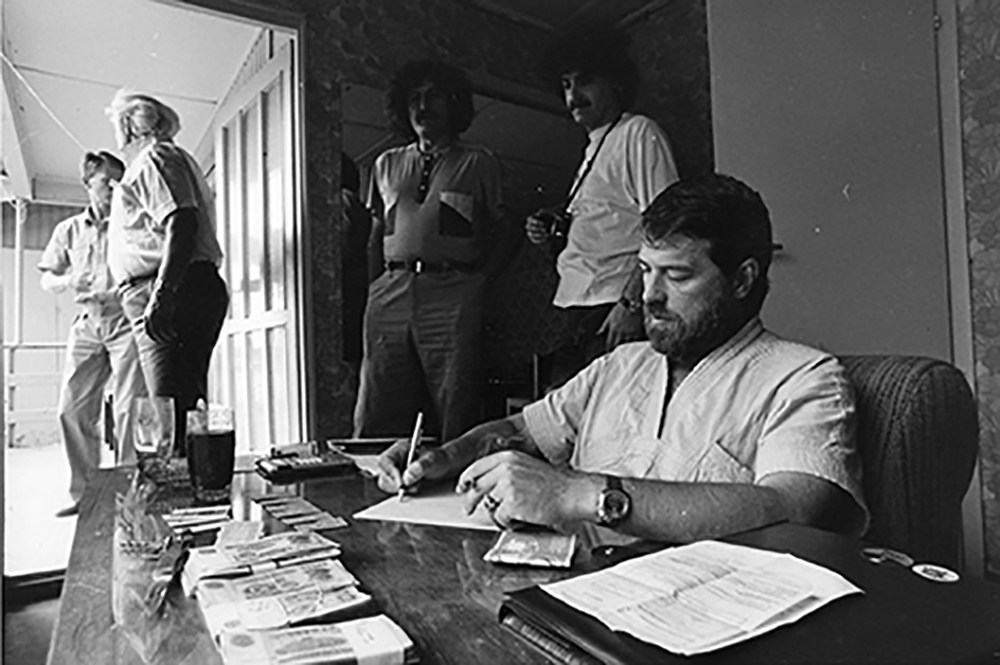
Yet the symbolic centre of this activity remained a basement in Saltivka. Paradoxically, one of the most influential art centres of late Soviet Ukraine emerged in a marginal urban space. Today, that fact carries an additional historical resonance.
Saltivka has become one of the districts most heavily damaged by Russian bombardment. The photographs of ruined apartment blocks produced after 2022 unintentionally transform this location into a site of layered memory. The same district that once housed experimental artistic communities now appears as a symbol of destruction and survival. The continuity reveals how local places accumulate cultural histories that later acquire unexpected meanings.
From Representation to Event
Alongside institutional developments, another transformation occurred. Photography gradually shifted from representation toward performativity. Private apartments, discussions and informal gatherings became essential components of artistic life. The Mischán Brothers’ house in Kharkiv served as one such environment where photographs were discussed, posed, and imagined before they were produced.
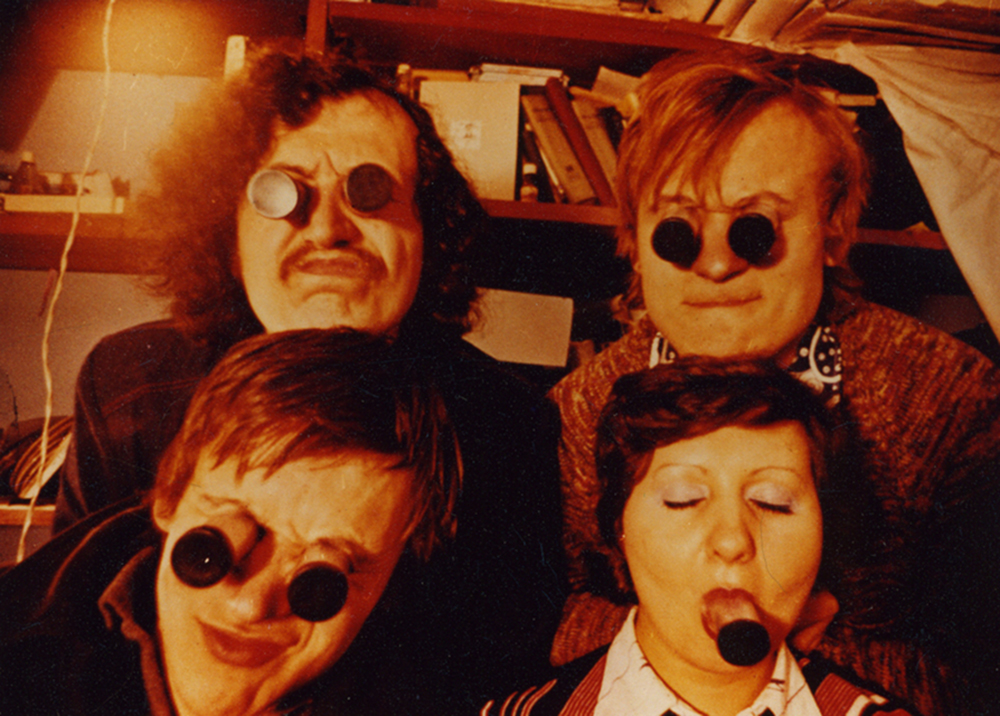
Figures such as Lyudmila Ivanova reveal another dimension of this process, complicating the predominantly male narrative of the movement. She wanted to become a photographer, but realized herself first as a model. Nevertheless, as a model and collaborator, she contributed significantly to the development of Kharkiv photography’s visual language. Her presence introduced themes of vulnerability, transformation and bodily experience.
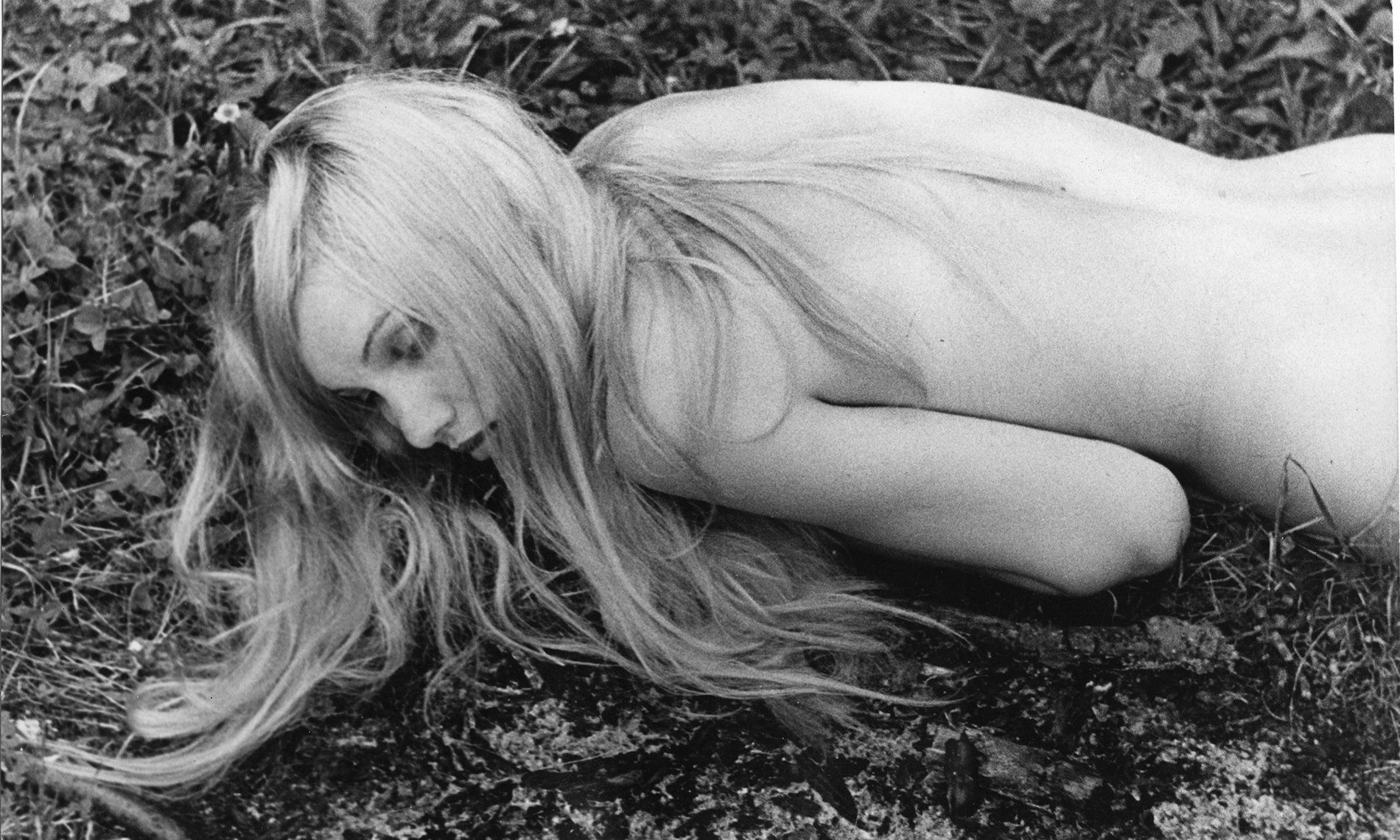
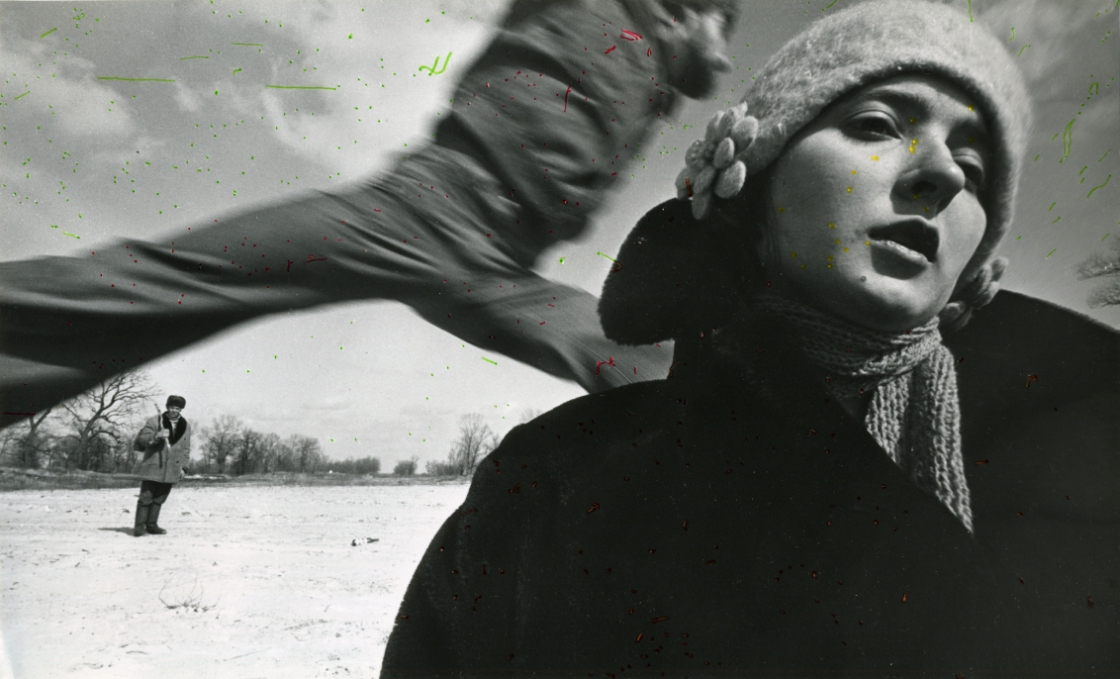
Photography increasingly became an event rather than a record. Bodies entered the image not simply as objects of observation but as active participants in performative situations. The camera no longer documented reality from outside. It became part of reality’s construction.
My own experience in performative practices helps clarify this shift. Pavlov’s performance Love (1976) was photographed during the 25th Congress of the CPSU, at a moment of heightened ideological control. But this and subsequent projects (as Pavlov’s Mythologies, 1988), demonstrate a shift from capturing reality to staging it and experiencing it in a liminal, borderline mode. Here, photography ceases to be merely a medium of representation, becoming part of an action involving the body, risk, and affect.
From Maidan to the Frontline
After independence, Ukrainian photography entered a new phase. The central question was no longer how to evade censorship but how to represent a rapidly changing society. New generations expanded documentary practice, explored personal narratives and engaged with emerging political realities.
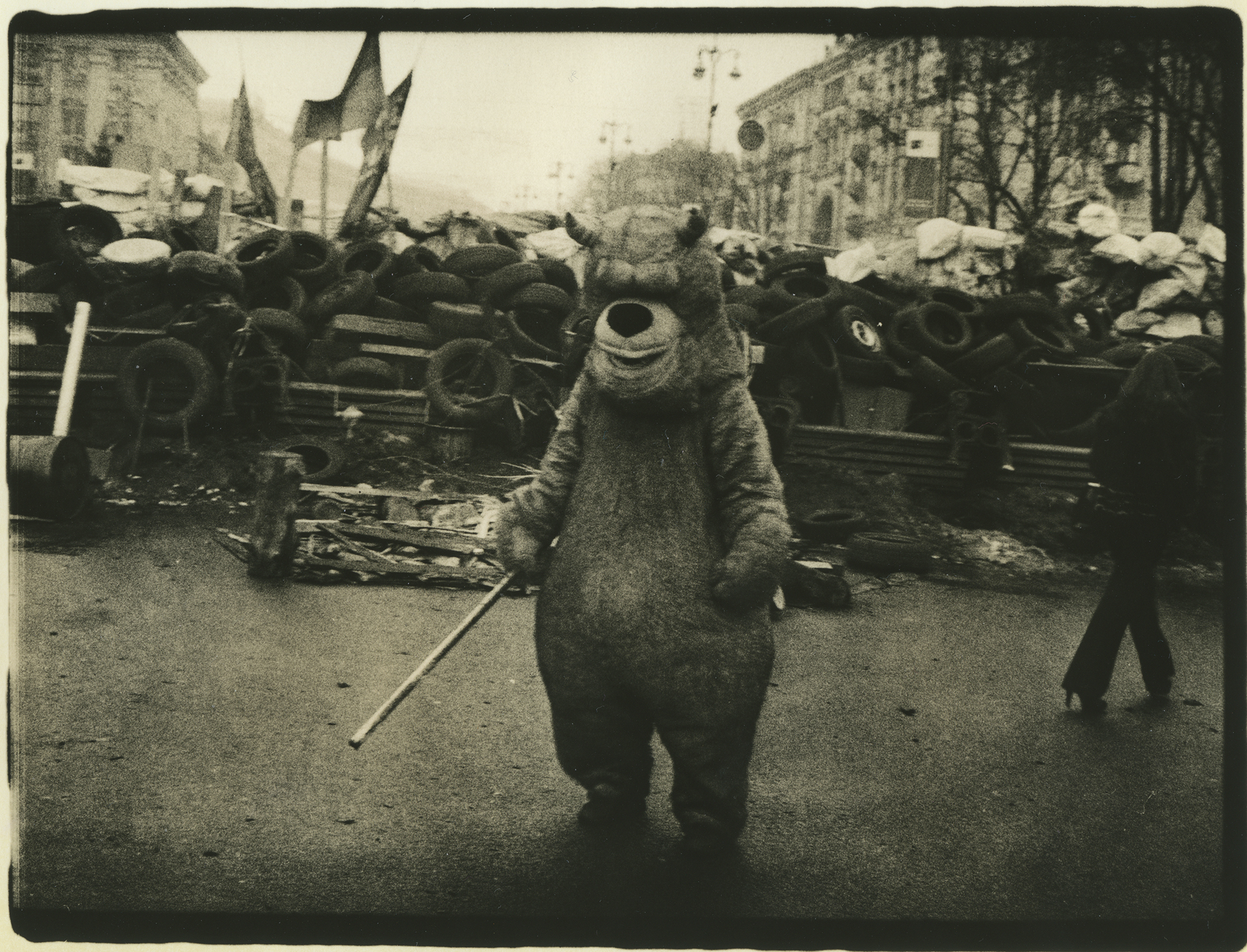
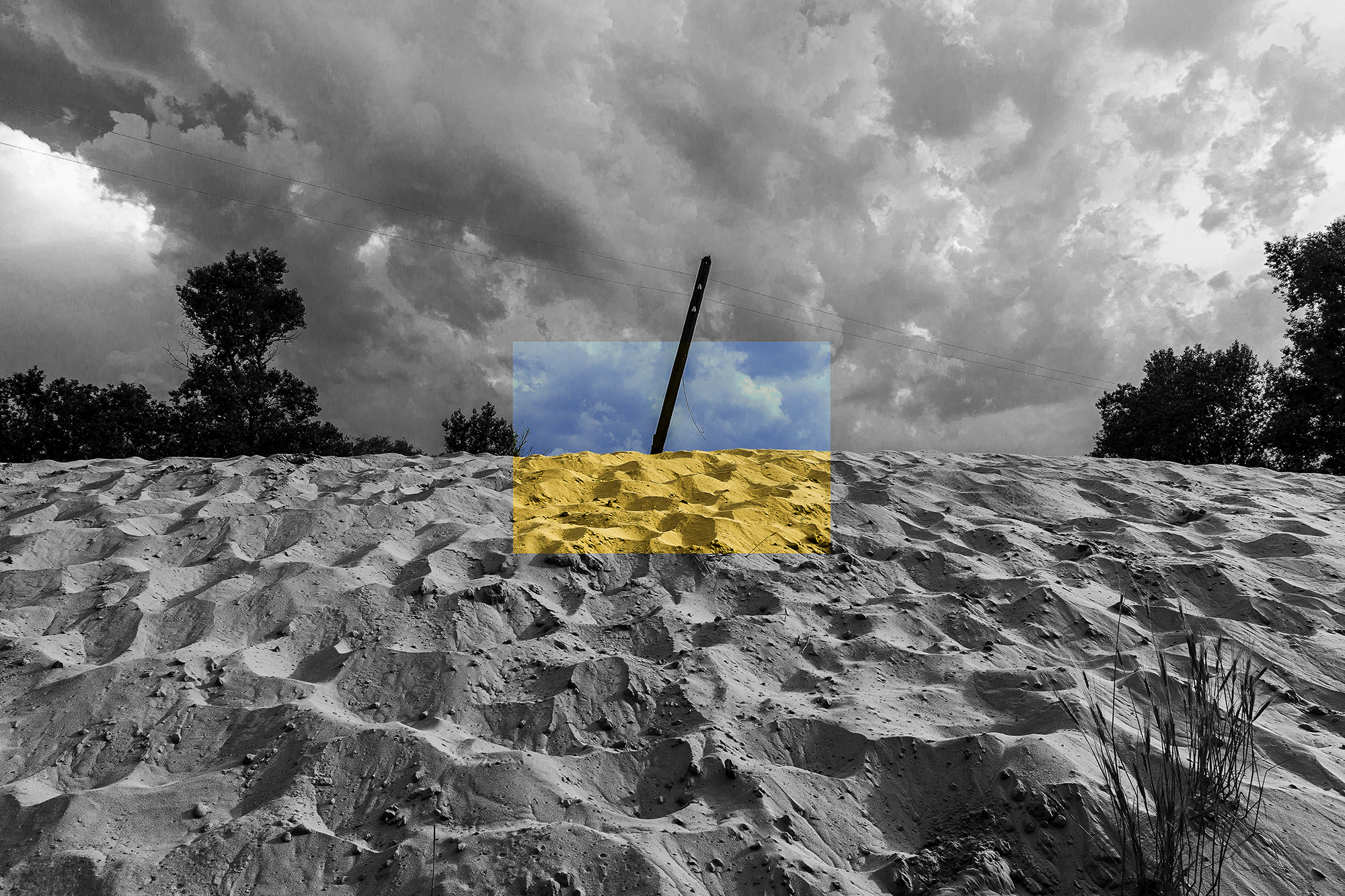
The revolutions of 1990, 2004 and 2014 transformed photography once again. The photographer increasingly assumed the role of witness. This role became crucial after February 2022. Contemporary Ukrainian photography documents destruction, displacement and violence. Yet its most significant achievement may lie elsewhere.
Projects such as Vlad Krasnоchok’s Documentation of the war reveal how communities persist under extreme conditions. They show war and survival, but also the reconstruction of everyday life. Children drawing in metro stations, families creating temporary homes underground, volunteers organizing improvised social worlds – these images demonstrate photography’s ability to register forms of resilience invisible to military narratives. They also return us to the essay’s central theme: photography capturing freedom.
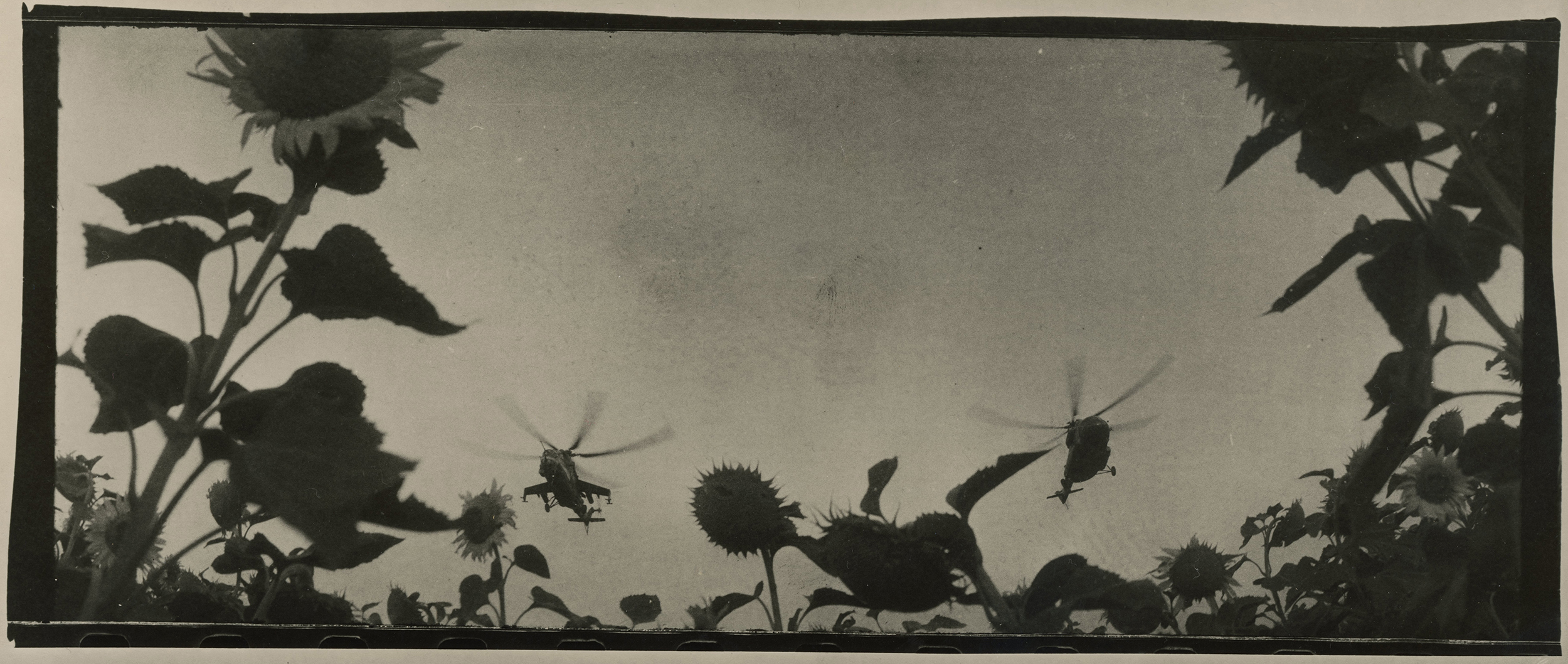
Seen from this perspective, the history of Ukrainian photography appears as a long sequence of attempts to create spaces of autonomy within changing systems of constraint. The darkroom, the club, the private apartment, the basement, the protest square and the bomb shelter all belong to this genealogy. Each became a temporary territory where alternative ways of seeing could emerge.
The Kharkiv School of Photography was not simply a stylistic phenomenon. It was one manifestation of a broader cultural process through which photography became a tool for producing autonomous subjectivity.
The contemporary experience of war has not interrupted this history. Rather, it has revealed its deeper continuity. From the underground culture of the late Soviet Empire to the frontline realities of the present, Ukrainian photography has persistently defended the possibility of independent vision. Its history is therefore not only a history of images but also a history of freedom becoming visible.